
Simple DIY Fixes: How to Repair Wicker Furniture at Home

Wicker furniture always catches eyes and brings elegance into the room. Unfortunately, over the years, its delicate plait can suffer from age, incorrect use, or exposure to external factors. Thus, all edges and lines have frayed, some broken, some dull, and this can reduce both its beauty and purpose. Thankfully, some of these issues can be solved without the aid of a professional, with the right techniques and equipment. The purpose of this instructional manual is to help the reader know what measures can be taken when extension of repairs to the wicker furniture such as repair work – painting or caning are required. From the cracked cane which makes the chair squirm stabilization of the canes that hold it together to canes that have to be lathed, this guide will show you how to attend to your old williams’ chairs for any cracks and repair the damaged areas and surfaces. For all the pieces that have repairs needed we provide some easy solutions for you to use for best results.
Understanding Wicker Furniture
Types of Wicker Furniture
Wicker furniture can essentially be of two broad categories, depending on the materials they are built of i.e., natural or synthetic wicker furniture. Both these types have their unique features, pros, and disadvantages hence understanding these facets is crucial when choosing your furniture for purchase or looking after it.
Natural wicker furniture is made from plants that grow from the ground like rattan, bamboo, willow or reed. Such materials create products that are lightweight, sturdy, and have a classic rustic look, using a weaving technique. Though appealing to the sight, natural wicker is usually prone to damage from water, sun and changes in the weather, which means they are best for use indoors or covered patios and need to be properly handled.
Synthetic or man-made wicker furniture, on the other hand, is composed of materials such as resin, plastic, and polyethylene, which are manufactured by chemical processes. These synthetic materials are constructed to resemble natural wicker yet provide resistance to the outdoor elements which include the harmful UV rays and water. As a result, synthetic wicker is better outdoors because it lasts longer and does not need much maintenance just like natural wicker. It is therefore very important to know or be able to determine the particular material of the wicker in question so as to be able to efficiently service or repair it.
Common Uses of Wicker Furniture
Wicker furniture is known to be multipurpose and is designed in such a way that it can be styled indoors as well as outdoors. Indoors, expectations of sunrooms, living rooms, bedrooms are wicker furniture which has been used for many years due to its outward appearance as well as its structure which gives room to the numerous styling it comes in. Furniture such as chairs, tables, and storage units is often preferred in the wicker material due to its texture which inherently creates a cozy and vintage look.
Patios, decks or garden spaces, amongst others are ideal places where people can mostly use a popular outdoor furniture, wicker. People who appreciate the beauty of wicker can still enjoy it’s look without fear of exposure to harsh weather conditions. This is the main reason why more patios today contain furniture made of synthetic wicker. These include seating sections, chaise lounges as well as dining furnishings that enhance leisure or entertainment activity within the outdoors. As it disposed of easily without showing any signs of wear and tear, its usage in any open space maintenance is used for a long period.
Businesses such as hospitality establishments, resorts, and work places have another major application for furniture made from wicker. Because of the strong yet light nature of wicker furniture and an easy rearranging of furniture’s position whenever seasons change or in preparation for functions become possible. In addition, it is manufactured in an appealing manner where it serves its purpose and helps create a warm ambiance in places like hotels and restaurants. For these reasons, using wicker furniture is an ideal solution to any business that seeks to accomplish a combination of fashion and function.
Benefits of Wicker Furniture
- Resistance to Damage and Endurance: When furniture made of wicker is created using materials such as resin or synthetic wicker, its longevity is enhanced. The materials do not buckle under the influence of the elements, such as rain or scorching sun, keeping the furniture’s form and attractiveness over time. Meanwhile, wicker can last for close to ten years with good care and the maintenance of the items is quite easy both indoors and outdoors.
- Ease of Movement and Usage: It is a universally recognized fact that the aspect concerning the weight of wicker furniture beats a lot of other furniture. There are people who prefer using such furniture because they allow them to move and arrange it in any way they wish without any difficulty whatsoever. This is convenient in the sense that very minimum support is required. For instance, managers of restaurants or for any such event locations may take advantage and quickly change the seating arrangement without putting too much effort in terms of manpower.
- Environment-Conserving: There are several types of wicker furniture that utilize environmentally friendly components, like rattan, bamboo, and even synthetic fibers which can be recycled. For instance, rattan is one of the fastest growing trees and it can be formed without killing the tree, this means that it is an eco-friendly option. According to some reports, weaving furniture from wicker actually helps to lower emissions in comparison to wood-metal or plastic-based ones.
- Diverse Style Uses: The texture and color of wicker furniture is very natural which enables it to perfectly fit in a variety of décor themes such as the contemporary minimalist one, country or tropics ones. Its classic look blends well with any surrounding, whether indoor or outdoor owing to its charming effect. Wicker furniture can fit in different settings such as homes and hotels without being out of place due to its flexible design.
- Easy Care and Maintenance:Wicker furniture is easy to clean. There is no need for special instruments to clean wicker furniture, as a hoover and a wet rag are enough. This is however not the case with wicker garden furniture which requires a gentle wash every now and then with soap and water. On the other hand, synthetic wicker products are quite easy to maintain as they do not absorb moisture, do not rot, and do not fade in the sun, hence they do not need to be mended or taken to a professional for excess damage repairs.
Identifying Common Issues with Wicker Furniture
Signs of Wear and Tear
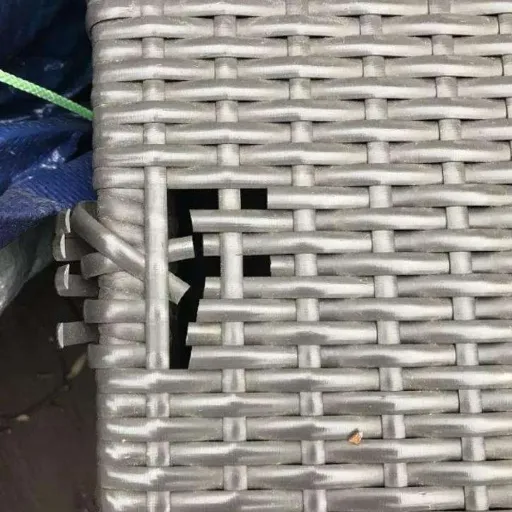
One typical problem that many people face when dealing with wicker furniture is the fraying or ripping off of the woven material. Good in the sun, bad in the rain, and less than gentle handling of the furniture can cause the fibers within to weaken and splinter or break from the frame over time. This does not only affect how the furniture looks since it can also affect how strong it is over time once it is not sorted out in the first place. Detecting any signs of fraying and addressing them at the earliest stage allows you to limit further damage with simple repairs like rejoining the strands with glue or replacing the portions where the strand is removed, fully.
Damage, especially for colors contained within the fiber, and to some extent, outside the wicker, is also noticeable. Fading wicker, as the term implies, naturally occurs due to weather periods that explain the overcast condition of natural materials such as fibers. Synthetic wickers lose their shine, or they may become dull, or usually made surfaces may be able to hold color for only the first few seasons after production due to colored UV or non-colored rain masks. However, in this case, the owner can use protective sprays or allocate the furniture to shaded areas more often, in order to avoid the negative factors. For example, it is sometimes useful to perform periodic care by washing with a brush with soft bristles in order not to damage the surfaces of furniture when used over time, as well as applying chemicals that do not contain abrasive materials. New materials also have such means.
Mold and mildew are moisture induced issues associated with many pieces of outdoor wicker furniture especially the natural type. These self-inflicted pathogens are not only susceptible to disrupting fiber durability but can also be hazardous to health. This is not usually the case for synthetic wicker, which does not usually suffer such a problem; however, natural wicker would greatly improve if you treat it using water repellents. It is also helpful to look for possible mold on the surfaces and clean it using a light vinegar and water solution once the presence of the mold is confirmed. With all these issues, if the basic principles are understood and adhered to by customers there will be no problem archiving the beauty and aiding in maintenance functional garden furniture.
How to Assess Damage
Before learning how to repair wicker furniture, it is necessary to inspect for damage and properly evaluate the scale of damage. First of all, carry out a very detailed examination with good lighting. Scan thoroughly every inch of the surface and look for any signs of damage, which have already been outlined, from frayed or broken weaves and loose bindings, down to any kind of discoloration, which could also be owing to prolong moisture exposure and UV light rediation. Note stiffness of the working joints, as usually these spots exhibit distress at the earliest and most furniture suffer from wear and tear here. Proper identification of such problems is just as necessary, so as to accomplish successful rehabilitation, as well as ensuring they won’t return due to decay of the materials used.
Next, try out the furniture’s sturdiness by gingerly shaking various parts of it. With moderate force, attempt pressing armrests, backrests, and sitting places to see if they rattle, creak, or move in any unusual way. Structural support can be weakened due to consistent use over long periods, exposure to climatic conditions such as heat or cold, or humidity variations. Some joints will require stiffening or tightening, which you will take note of because they will worsen if not corrected and how to repair wicker furniture includes some of those measures.
In conclusion, look for physical or chemical damage, which involves searching for any signs of mold, mildew or pest. Mold and mildew tend to leave characteristic smells and/or stain the fabrics in colors such as black or green with time weakening the structure for instance. Look hard for areas especially nooks and crannies on the furniture that may have been eaten up by termites and beetles alike from underneath. This process allows the user to identify all the existing damages, enabling one to come up with a ranked order of the needed salvage or reconstruction works, sullying the beautiful appearance of the furniture in place and maintaining its safety.
Common Issues with Wicker Furniture
Though, the timeless look and light design of wicker furniture are loyed by most of its substandard nature in structure is not appreciated by many. This is not surprising considering that either synthetic or naturally woven wicker can be easily damaged in numerous ways. Probably one of the common problems is especially with structural damages due to external elements over a long period of time. Natural wicker which could be rattan or even bamboo will dry up and become fragile to sunlight which is intense while moisture is a factor that will also cause it to expand, warp, and become rotten. Even though the synthetic wicker material is more durable, it can still damage the furniture when exposed to UV rays for a long time.
Another frequent issue is dirt as well as grim accumulation inside the complex weave, which results in abrasive wear and even encourages the growth of molds or mildews in moist environments. Moist surfaces acquire mold spores that ensure attachment of the fungus to surfaces over time, and therefore breaks the structural and visual appeal of the work. Further damage is unavoidable with such closely woven wickerwork, as in the presence of pests such as mites or beetles which often turn it into a breeding ground.
There is also the frequent use related technical damage where in many cases the natural wicker strands wear out or break and the synthetic materials get cracked or lose color. In order to tackle these problems, one must ensure they practice thorough cleaning, introduce paints and other protective methods including the installation of varnishes with UV filters and moisture barriers, and keep it properly away from harsh weather storage. Finding out the weak points of the natural as well as synthetic wicker helps the owners take the necessary measures to ensure that their furniture serves them consistently for the longest time.
Simple Repairs for Wicker Furniture
How to Fix Minor Cracks
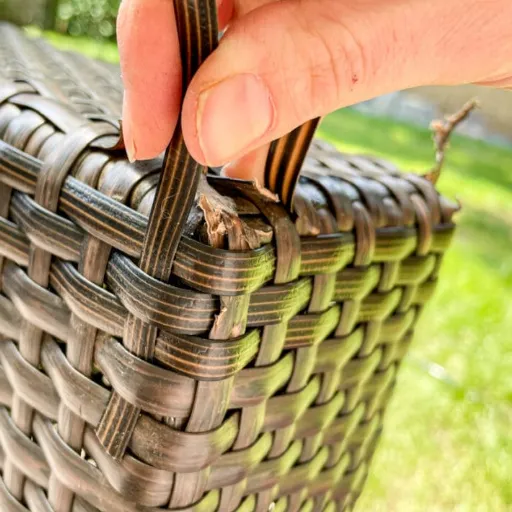
Most often minor cracks in wicker furniture occur due to sun exposure or drying out of the organic material. These cracks tend to form after the therapeutic session as the material becomes completely dry and very deficient in moisture climatic conditions. Such cracks are reduced and an efficient material such as Wicker repair begins with cleaning the area with the use of a soft brush or a soft cloth in order to keep away any dirt.
After that, proceed with a wood adhesive or a special wicker adhesive depending on the crush you have. Please make sure that the application of the adhesive is lengthwise over the crack. You may be assisted in this process using a thin brush or a toothpick so as to ensure that the glue is placed well within the crevice. Give some time for the glue to harden as per the manufacturer’s instructions for optimal drying times.
To increase the effectiveness of the repair, thin materials like raffia, straw or rattan, can be used to cover or windy the already repaired surface. This can be purchased at any craft store. Cut and fix the binding with adhesive once again and use scissors to cut the extra portions so as to provide an even finished look. When everything is set, apply varnish or seal to make the fix long lasting because the protected area will be restored.
The importance of maintenance after fix cannot be over emphasized. Ensuring that the wicker furniture is placed in a controlled condition and avoiding direct exposure to sunlight is key in preventing further damage in the future. While regular cleanups and frequent application of all kinds of protective coatings increase and prolong the usage of the fixed piece.
Repairing Loose Weave
Considering how to repair wicker furniture with requisite perfection, the first step calls for scrutiny of the damaged part to a defined extent. Look for any broken or loose strands of wicker within the furniture and using a small scissor or other sharp object as removal tools, cut them out. Pick a piece that is equal in size and colour to the one already presented for the replacement weaving so that it blends in seamlessly. The replacement will need to be soaked in warm water for 20–30 minutes before starting the weaving process to make it more flexible and easier to work with regarding the manipulation issues that may arise during the repair work.
Everyone must stick to its original configuration, otherwise the overall pattern will have a poor and insecure finish in the weaving pattern. First, thread the new material securely through the frame and firm it up at the beginning with a small amount of wood glue or a small knot depending on the design of the wicker. This should be done by threading the material through the existing strands evenly to avoid deformation. At the tail end of the weaving, tether the end of the material tightly and cut off the excess.
After the work has been completed, it is important to sand any rough areas carefully, if there are any, to make the area entirely level. Apply a coat of protective varnish or polish on the repair, as it will help strengthen and blend in the weave with the rest of the furniture. To avoid developing the same problem again, the weave should be closely watched and maintenance carried out.
Replacing Broken Strands
In order to repair broken strands of weaved furniture, it requires a lot of firm techniques and teaching so that there is no breakage in the procedure. First, loosen and access the broken part very cautiously by means of precision instruments such as pliers or even knife and be careful not to mess any other very close weave. Take out the strand and measure the exact length of what has been withdrawn while also adding an extension due to overlap or lock-in points.
Find another strand that is similar to the old one in terms of the same thickness, color, and material used so as to hold the beginning in its original forces and outlook. In the case of synthetic materials, it is important to ensure that it is UV treated for durability. As for natural craft materials such as rattan or cane, it is recommended that the strand be soaked in water for a minimum time frame of fifteen minutes to twenty so that it is easier to weave and does not crack.
Feed the pristine stands through the sample weave pattern, this must be woven in alignment with the already working design. Maintain tension, to avoid sagging and hold all the surrounding stands in place. Especially the ends of the stands need to be secured; glue such materials in place or if it’s not suitable for this purpose, use other knots. Check whether the protruding strands remain upwards because excessive protrusion can jeopardize the structure.
After the new strand has been fixed, one would need to carry out a close inspection of the repair for any defects or anomalies. It becomes necessary to raise a Contour issue at this point since the size achieved, necessitates proper emissivity measurement. A tasteful sealant or varnish should also be on the list; the intention is to enhance the repair area not only not to stand out from the rest of the furniture but also to expand its durability. Basic maintenance if not neglected, like cleaning and observation for wear and tear, helps in the improvement of the piece.
Advanced Repair Techniques for Wicker Furniture

Refinishing Wicker Furniture
Restoration of wicker furniture is a fine art, and the understanding of how to repair wicker furniture in its original form without altering the woven structure is carried out in a step by step manner. First and foremost, the furniture needs to be cleaned. Every nook and corner of the furniture should be cleared of the dust and dirt using a brush with soft bristles or a vacuum that has a low power setting. The outer surface must be washed with warm water and a mild detergent, followed by a thorough scrubbing of the outer grime. Ensure that the piece is completely dried otherwise problems might occur in later stages.
After the furniture is cleaned, examine it for any damages like splits, unraveling weaves or shaky joints. Reinforce the particular areas appropriately by using appropriate glues and adhere new strips to the existing ones if they have been broken, to maintain the design. Gently rub the furniture, back and forth with a very fine sandpaper in order to prepare the surface by removing any old coatings this would result in the surface being smooth to allow better paint or varnish when applied.
To prepare the surface of the unit of combustion and apply the top coat correctly, appropriate paints and sealants should be effectively considered for the material exhibited in the wicker works. Either acrylic paint systems or oil-based paints work better protection because the flexibility and durability of such emulsions means no cracking even when the wicker shifts. Ensuring an evenly applied spread is best achieved using a sprayer, which also eliminates the chances of smearing and blotchy results. Use thin layers gently but steadily and avoid hasty drying of applied paints with this method.
Aid the refinement of the furniture by applying top grade proper finish materials that will either be varnish or any other combination to combat climatic elements and reduce wear make related problems. To have the refinished making lasted a while, it is also clear that it takes the strain off people having to seal all installations after some time.
Restoring Color and Finish
Bringing furniture back into use entails a color and finish restoration which is a delicate craft requiring working skills, correct materials, and utmost care when applying finish. Proceed to clean the surface thoroughly using a soft detergent solution to clear out any dirt, oil, or grime build-up for the surface preparation. After it has dried, evaluate the condition of the surface for any uneven surfaces, scratches, or discoloration. Begin sanding the furniture in subsequent levels of grits for the sand papers i.e. from a rough grit which will remove the first layer of any finishing on the surface till a finer grit, which pp into leg diameter forming a further layer of fill up for staining.
When trying to restore colors within wood furniture, one should choose a corresponding wood stain, or dye, based on the type of furniture as well as how it should look. Oil-based stains last longer and give a darker finish; in contrast, water-based stains are quicker to dry, as well as easier to clean up. To apply the stain, use a foam brush or a clean dry cloth free of lint making sure it is in the direction of the grain so that the stain evenly absorbs. The stain must dry as long as the manufacturer has recommended before subsequent coats are applied to build up the desired color.
To recreate the finish follow with a clear protective topcoat such as polyurethane or laquer according to the desired sheen level from matte to high gloss. The best adhesion and clarity is obtained, using a good quality brush or a sprayer for very thin layers, smoothing down every applied layer with fine abrasive paper. This careful work not only renews the look of the furniture but also gives a long lasting protection, hence increasing the chances of maintaining the looks of the furniture for a very long time.
Complete Restoration Projects
To curate the entire course of restoration, scrupulous attention to detail, meticulous phrasing, and contextual relevance with the materials and techniques being used is important. The first stage of such restoration is the appraisal of the object to be conserved in order to expose areas of damage or structural failure or missing elements. Sufficiency of documented evidence in the form of photographs, or notes in the restoration plan is very vital.
Some techniques of revival of surfaces as how to repair wicker furniture involve serous maneuvers, for instance, removing the carpets or paintings. Either chemical paint removers or heat guns are used in most situations to take off the layers of old paint while protecting the wood beneath. Some care has to be taken so that abrasions, that may change the texture of the material, are avoided. Following stripping, the timber should be evenly sanded by sanding it through increasingly finer grits.
Let’s assume that the structure is repairable; for example, there is a need to reinforce damaged parts of a piece of furniture while replacing some sections with treated timber that already has the pattern or molding. Use either high-end mitered adhesives or dowels or bespoke panels to secure the new pieces in place without bonding disorders. To bring back the original hue of the object, it may be Essential to stain the repair, taking care to Maintain the Original color as much as possible For Historically Accurate Restoration or Undesigned Directives.
In recent times, restoration works have become easier because of the availability of also new materials and techniques such as special varnishes resistant to sunshine rays and accurate IT equipment, in recreating pieces. This is done with the efficiency of thorough studies and work practice committed to conservation values protection. In this way, even if there is the implementation of a new and useful aspect, it has to blend seamlessly within the cultural and historical context of the object being restored. Thence, such valuable preservation is carried out alongside everyday utilization. Keeping these in mind will serve well when learning how to repair wicker furniture.
Maintaining Wicker Furniture for Longevity
Cleaning and Care Tips
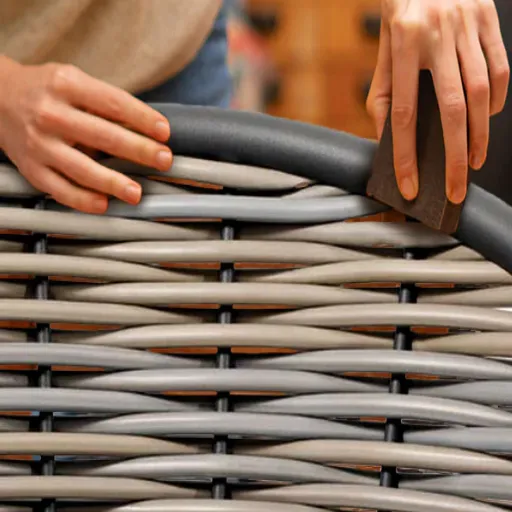
Wicker is a beautiful and functional material, so it is important to keep it clean. If you have it for some time, then you need to be more careful in cleaning it so it does not degrade. First of all, wipe out all the dust or use a wheel fitted polisher and a vacuum cleaner with a harder de-mountable brush for the most efficient dust removal on the surfaces. Such preparation reduces the risk of any dirt accumulation in the gap between wicker designs, which will otherwise change its coloration or spoil the material. When more intensive cleaning is appropriate, prepare soapy warm water and use a microfiber towel or soft sponge for scrubbing the surfaces. One should refrain from exposing the wicker to moisture in order to protect the natural materials used in the furniture; this is insignificantly scoop woven from rattan, reed or willow.
Once you have cleaned the furniture, make sure it is entirely dry before using it as moisture may cause the development of mold and mildew. Users are advised to leave the cleaned furniture indoors in a covered, ventilated location but away from sunlight if possible allowing the furniture soaks into the air and any residual chemical odors evaporates. There is a possibility of saving damaged or old outdoor each of them furniture made of wicker by covering them with a sealant. These sealants may have to be applied every half year – for the glazing sealant for instance which prevents this condition from dulling the beauty as well as deterring the wear and tear of the furniture.
To keep wicker furniture in good condition for longer periods of time, conduct regular checks to catch signs of structural damage or loosening of weave. Attend to any matters raised without delay, employing the most appropriate means of restoration, say, diluted wood glue for light re-weaving or completely new sections of natural wicker for broken parts. Refrain from throwing or dragging the woven objects, avoid papers or any other forms of stress to avoid stretching the outer edges where the weave is fastened to the supporting structure. Adherence to the above precepts as well as the efficient practices given ensures that the piece of wicker furniture does not wither with time, but continues to beautify the given area of stay for more than a lifetime.
Protecting Wicker Furniture from the Elements
When exposed to sunlight, moisture, and temperature changes for an extended period, the durability and lifespan of the wicker can be severely compromised. Sunlight in itself goes without saying that it is one of the harsh factors which include ultraviolet (UV) rays later destroying the call; discoloring the material and eventually degradation. In this regard, it is worth noting that special UV resistant fabrics for outdoor furniture covers or placing wicker furniture away from direct sunlight is strongly encouraged. Most importantly, a layer of clear UV resistant spray specifically made for use on wicker or rattan is often recommended because it adds a layer of protection from the rays.
Another very important issue is moisture, because it causes molding, growth of mildew or weakening the structures of a compound. In the case of natural and all weather wickers, they must not be exposed to a lot of water for a long period. All weather wicker makes it easy to withstand the rain; however, several users are advised to cover their furniture against storms or have it stored indoors out of the bad weather for longer periods to elongate their furniture’s life. It is also possible to hinder water from sneaking into natural wicker by spraying a protective coat on its surface.
Last but not least, change in temperature, specifically to freezing, is another cause in which natural wicker cracks because of the expansion and contraction of the wrack particles. In such conditions, during winter, it is recommended to keep the wicker furniture in places which are dry and under control. Resourcing the materials which are protective will offer a solution to how to repair wicker furniture and protect it from losing its shape and durability as it ages.
References
-
Furniture: Renovation, Repair, Refinish – Open PRAIRIE: Provides detailed guidance on cleaning and repairing wicker, reed, and cane furniture.
-
Maintenance of Outdoor Furniture – Iowa State University Extension: Offers tips on restoring natural wicker finishes and minimizing scratches.
-
Selecting Bamboo and Rattan Furniture – Utah State University: Discusses quality checks and repair options for bamboo and rattan furniture.
-
Making Old Chairs New – University of Nebraska-Lincoln: Covers general furniture repair techniques, including replacing broken parts.
- Click here to read more.
Frequently Asked Questions (FAQ)
Q: Please explain the process of making wicker furniture even when it has become loose or broken because of any reason.
A: The general guidelines of how to repair furniture made up of wicker that has pieces that have come loose or broken involve all the dirt and debris first, cut the split ends off and bond the sections where the reeds have broken off with matching replacement wicker resembling in structure natural material such as rattan or synthetic materials. Include the reed length which will be worked in, wet the new reeds if they are to be used like suing a basket for the fringes, interlace the substitute reed cast, secure the edges with adhesive and several strips of inclination closure. If followed properly, like how the steps can be done to mend and improve wicker furniture, they will look as new as ever.
Q: Could you please help me with the most effective strategies of dealing with chipping and peeling paint on a painted wicker?
A: When it comes to painting or restoring wicker furniture, including cases of peeling or chipping paint, the first step is the removal of the loose paint, and the rough spots can be smoothened by light sanding. Once the surface is free from any dirt or debris, a layer of plastic resin or plastic primer might be applied if needed. This is followed by a fresh or fresh layer of paint that is appropriate for outdoor or exterior purposes if it is a question of wicker patio furniture. Painting wicker furniture to recoat or enhance it, will be useful because it protects fibers and resents your furniture.
Q: Under what circumstances is it advisable to reweave the parted or damaged pieces of wicker instead of replacing?
A: This also depends on how severe the damage is: simple issues of misplacement of some parts, loose wrap, or a few reeds out of shape can be managed without replacing but reweaving and gluing. When it is not only the frame but large numbers of tiny pieces that are damaged, one may be required to replace the broken part or the whole item. Make note of the emotions attached to it or if it is just practically unusable seeing the amount of repair which would be required; in this case the parts may also require replacement or a professional basket weaver may need to be involved in extremely intricate ones as well.
Q: What are the usual pricing options for Wicker Furniture Repair and is it a wise option?
A: The cost of repairing furniture depends very much: There are no repair costs for small things you do yourself apart from the cost of the materials (replacement wicker, glue, clamps) used. Enlisting the services of a wicker repair professional increases repair expenses, but for pieces which are either family antiques or quite intricate it may be the only solution. Before you opt for repair, also ask for the cost of restoring the cost of a new furniture set or new wicker furniture; if restoration leads the unit to a satisfactory condition or retention of the emotional attachment to the unit, the repair and restoration of the unit at that point is almost definitely worthwhile.
Q: Does painting or reapplying paint on Wicker Furniture helps in making it more modern when used for indoor purposes?
A: Painting or re-touching indoor furniture helps to add changes. Remove any chipping paint, sand, clean, prime, and apply paint or stain that is compatible to the texture of the wicker furniture. When the repair is minor a new finish or paint can help hide it as well as making the wicker table or the chair look good by having a well blending finish which makes the even good looking wicker furniture appear new.
Q: What tools and supplies do I need to fix wicker furniture at home?
A: To fix wicker furniture, you will need items such as replacement strips of wicker, wood glue or glue for synthetic materials, glue filled straws or tongue depressor or snips, pliers, clamps that can keep the part being glued in position while the glue gets absorbed, sandpaper, primer and paint if you want to refill or varnish, and a tape measure for accurate replacement measurement of the wicker. These basic repair tools for wicker furniture are readily available in any household.
Q: When is it best to hire a professional for wicker furniture repair?
A: Call in a professional when the furniture is structurally damaged beyond repairs, is an old piece that is a family heirloom, has other weaving patterns that you cannot properly maintain, or even when the cost of repairs becomes close to the price of a new piece of wicker. In this instance, furniture can be weaved, wide areas can be replaced, paint or stain can be applied, decisions whether to fix or replace a piece of furniture can be made and lastly furniture can be made use of and remain in good condition for a long time.


