
Can Wicker Furniture Get Wet? Outdoor Care & Weather Resistance

When it comes to outdoor furniture, opting for wicker pieces is a preferred choice because of its enduring beauty and practicality. Despite these facts, some of the most surfacing troubles for many homeowners is can wicker furniture get wet and not rot, or can wicker furniture be left in the rain without decay. Aftersales questions of strength, cleaning, and withstanding of the weather, all play important roles, in ensuring the longevity of your purchase. This essay seeks to examine wicker furniture in regards to wet weather, offers a few guidelines in terms of care, and looks at how much of a difference weather resistant structures make. If water logged patios aren’t a constant in your region, this will fore-arm you for bad weather when it does arrive. In every case, however, the subjected mechanism of the formulation and protection of the cane furniture against use is of utmost importance.
Understanding Wicker Furniture
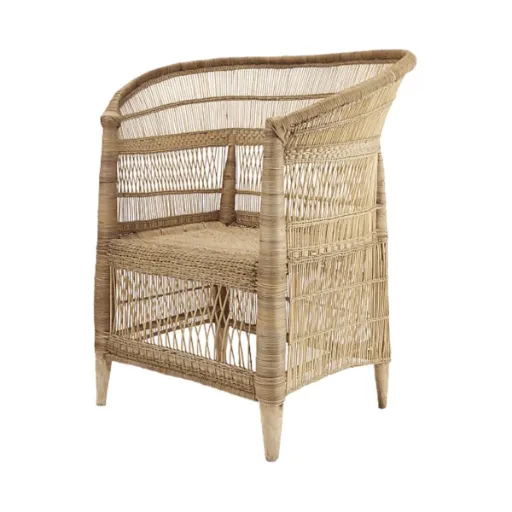
What is Wicker Furniture?
Wicker furniture is hand-crafted utilizing the art of weaving-like basket – using bands to weave certain materials and create structural patterns that are decorative and unbreakable. Even though the word “wicker” is used, it is not for the material but for a form of weaving. Wicker materials come in a variety of forms, the most commonly used being rattan blades, willow strands, and bamboo, apart from materials the likes of resin or polyethylene put together to make composite products that withstand elements better.
Wicker is traditionally made from crafted plant materials, which are known for their light weight, beauty and artistic work of making materials from them. However moisture and harmful sunlight can affect such materials making them best suited for indoor and sheltered outdoor utility. But these are most favorable for indoor usage or outdoor usage under shade. On the contrary, the synthetic one which is called resin wicker is made from developed weather-resistant material. It appears as natural wicker but it enhances its performance outdoors much more better as it can withstand elements such as rain, heat and moisture.
Wicker furniture has been in existence for decades with its design and functionality suiting the extreme and varied weather conditions. Not only is the weaving pattern aesthetically decorative, but it also served to reinforce the piece while making it flexible. These differences in raw materials help prospective customers to choose the pieces which suit their spaces without any of the mistakes that come with buying typical wicker furniture but not the right kind.
Types of Wicker: Natural vs. Synthetic
Natural wicker is made from plant fibers, while synthetic wicker is crafted from resin or plastic materials.
|
Key Point |
Natural Wicker |
Synthetic Wicker |
|---|---|---|
|
Material |
Plant fibers |
Resin/plastic |
|
Durability |
Low |
High |
|
Usage |
Indoor |
Indoor/Outdoor |
|
Maintenance |
High |
Low |
|
Weatherproof |
No |
Yes |
|
UV Resistance |
No |
Yes |
|
Aesthetic |
Warm, natural look |
Modern, versatile |
|
Cost |
Higher |
Lower |
Benefits of Wicker Furniture for Outdoor Use
- Weather Condition Resilience: The latest technology has been decorated with synthetic wicker furniture made from the likes of polyethylene resin GM, which practically stands the tortures of weather. There is no getting in the way of open air utilization since this furniture is able to stand against sunlight, rain, and moisture without any damage. This is not to mention the fact that natural wicker is not very much resistant and can be prepared and provided care to last for long.
- Transportability Features: Say it is natural or the synthetic furniture made using wicker, they are much lighter than the latter two especially if metal or solid wood is used. This allows easy rearranging or moving around aids considering that it is easier to convert spaces outdoors to activities or preferences that one might have.
- Minimal Care Description: One of the greatest strengths of wicker furniture, particularly if it’s made of synthetic materials, is the low-maintenance aspect. Maintenance includes dusting off any debris and wiping with a little soap, if necessary, to remove stains. This is less tiresome and less costly compared to other materials.
- General Aesthetic: There is a wide variety of colors, styles, and designs available in the market regarding wicker furniture, and therefore it’s not limited to a specific outdoor decor. The texture of this weave makes it more appealing as it gives character to the space in a nice way while suiting both contemporary and classic tastes.
- Environmental Benefits: Using naturally derived wicker such as rattan or bamboo, can wicker furniture get wet, because of biocompatible and renewable resources can accommodate biodegradable materials too. Biomass is therefore extracted from short-lived vegetation with minimal revegetation of the landscape if conducted properly.
Wicker furniture holds appeal and serves a purpose in outdoor environments for a myriad of summarised reasons. And whether one chooses synthetic or natural wicker, making that choice with an understanding of the climate and the look one is going for should deliver both comfort and functionality for a long time.
Water Resistance of Wicker Furniture
Can Wicker Furniture Get Wet?
There are many factors affecting how moisture resistant a piece of wicker furniture is, with the material used in its construction being the primary one. In as much as wicker in its natural form is mainly made from rattan, bamboo or any other plants, it does not imply that it is waterproof. Rather it takes long periods of time submerged in water for natural wicker furniture to bend, become weary and even rot and for this reason cannot be used in areas with too much moisture or rain unless it is coated with appropriate varnishes.
However, synthetic wicker that is usually composed of high density polyethylene and other materials that are resistant to weather is better suited for such purposes given its purposeful make-up that allows it to settle in areas with moisture. This means that synthetic structural wicker is also naturally canted out against water, fungus, or mildew. Another quality of enhanced synthetic wicker is high-density woven fabrics that are UV- protected and in this way do not deteriorate in sunlight.
Maintenance is the key factor which ensures a durable and long-lasting wicker furniture. Even if the polypropylene furniture is used, this should also be cared for as part of maintenance. Such a wicker must be made up of dry fibers and light cleaning with soap and water only is recommended, and do not use any harsh cleaning agents. History. In the case of natural wicker furniture, further restricting the use of water and even rearranging furniture outside when it rains will prevent damage given rain showers. Having knowledge of these specific features will enable potential consumers to select and even to look after a wicker furniture which also satisfies environmental issues and purposes.
Waterproof vs. Water-Resistant Wicker
Waterproof wicker completely resists water, while water-resistant wicker can repel water to some extent but may still absorb moisture over time.
|
Key Point |
Waterproof Wicker |
Water-Resistant Wicker |
|---|---|---|
|
Material |
Synthetic resin |
Natural or treated wicker |
|
Moisture |
No absorption |
Partial absorption |
|
Durability |
High |
Moderate |
|
Usage |
Outdoor |
Indoor/Outdoor |
|
Maintenance |
Low |
Moderate |
|
Weatherproof |
Yes |
Limited |
|
Treatment |
Not needed |
Requires sealant |
|
Cost |
Higher |
Lower |
How Different Types of Wicker Handle Moisture
Whether or not wicker furniture can get wet is determined by the substance it is made from, as well as the mode of manufacture or treatment. Polyethylene resin-based, more commonly known as synthetic wicker, is designed to be totally impervious to water and any kind of moisture. This means that they do not absorb any water and mildew or sloughing does not play a role in their degradation even after intermittent use in wet areas. Consequently, all season woven outdoor furniture is preferable in areas where moisture abounds or ends rain storms are more frequent.
The use of natural wicker or the most common one, which is rolled out of materials and uses rattan, bamboo, reed or any other plant cloth is prone to water content by its nature. If these materials are not properly treated or sealed, then water can seep into the fabric and cause it to swell and warp, or even wilt over time. Water-resistant wicker -which is wicker with applied specialized sealants- can be exposed to water moderately. However, there is still a need to maintain them over time lest the protective coatings that they have been applied lose effectiveness.
Despite both types of wicker having their benefits, the preference to either should be dependent upon a particular application. In humid and extreme climates, synthetic wicker is the best option for its durability; however, both natural and water-resistant wickers that have moderate environmental controls in place are usually most appealing and practical.
Protecting Your Wicker Furniture
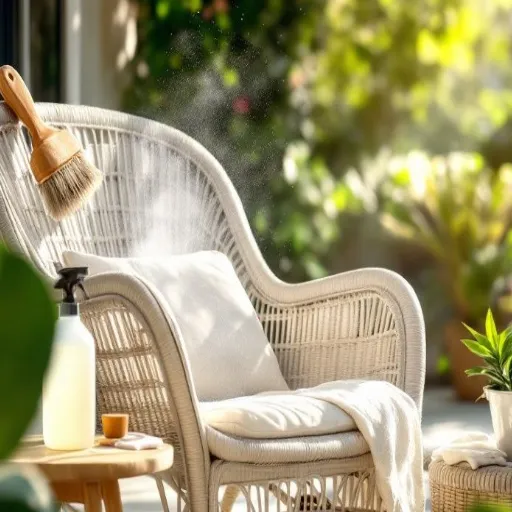
How to Protect Your Wicker Furniture from Water
To keep wicker furniture for a long time and looking great, it is necessary to protect it from water. First, the user has to plunk down some cash and secure a water- and UV-resistant spray or sealant to the bare furniture. Moisture is not allowed to penetrate into these bonds apart and they even block out the sun, which is a bonus. But in the case of natural wicker one should use a clear marine varnish as this has been formulated to repel water.
Do not place your wicker furniture in uncovered locations, such as outbuildings, where rain can reach, or better still don it in waterproof coverings during rainy seasons or when it is very humid. Take care to clean the wicker with a soft damp cloth in order not to use too much water, which would cause the fibres to swell and weaken. Having considered the above, when the weather seems to be against your furniture, how else can one prevent it from raining down and getting soaked; unless you actually relocate the furniture into the house.
Monitor environmental conditions and reApply the sealer as required following a likely every 1‐2 years cycle for these structures to remain ‘effective’. Such maintenance, together with the effective storage of the components, will significantly prolong the useful life of the item, as wicker furniture will not only be functional but also aesthetically pleasing in various environments.
Best Practices for Outdoor Wicker Care
To maintain the use and beauty of the outdoor wicker furniture is simple once you invest in the correct environmental and caring measures. Starting with periodic removal of dust, dirt and mold from the surface of the wicker. To achieve this use a vacuum cleaner with a brush head or a soft brush to clean off, and then wash with water and mild detergent. Avoid cleaning solutions containing abrasives or scrubbing pads as these can remove the protective coating on the wicker base. In order to avoid moisture and especially in hot and moist weather where one expects fungal growth on the cushions, one must make sure that furniture is properly dried after washing.
The next component of wicker maintenance is guarding it against the forces of nature. Sunrays for a prolonged time can fade and make the strands brittle whereas rain or dew moisture may result in compromising the material’s strength. That being said to reduce the risks of adverse climatic conditions, it is essential to use outdoor protection covers bedding all year long that prevents among other things rain and sunshine. Moreover, positioning and reshuffling the furniture to places with shades or under the terraces is best to ensure less time is spent under the sun. Finally, the use of UV and water resistant finishes will not go to waste as these serve to envelope the surface of the furnishings protecting them from climatic changes which would otherwise mar their appearance.
Truth be told, caning is sensitive, thus vigilance is necessary to avoid serious defects and costs. Examination would be necessary to catch any frays or unravel strands, weak spots on the wick weave which can be fixed using any of the many wicker repair kits found scooping around any hardware. If the furniture contains metal protrusions, corrosion that develops on the parts of the framework especially the width of the joints can also pose problems hence treating of such as required with antirust products should be done. When these activities, which are inclusive of, but not limited to, cleaning, protecting and repairing, are done regularly, the outdoor wicker furniture will remain in quite a good shape and attractive for years to come despite the extreme weather conditions.
Seasonal Maintenance Tips for Wicker Furniture
- Summertime Readiness: It’s expected during the warm season to make wicker very dirty looking so make sure to clean and inspect the wicker furniture for this period of time. Start from the vacuuming of the furniture to get rid of dirt, pieces of waste and particles of dust that rest in corners and crevices after use. Make sure that the vacuum cleaner is equipped with a soft bristle brush, or else you will damage the wicker which is fragile. Clean the furniture thoroughly by following the vacuum cleaning process with a mild soap and lukewarm water application using a soft sponge or cloth preventing scratches. One must ensure adequate drying of the interior of the furniture after what they call the scanning process, otherwise in case of humidity, it could form molds or also soften the strands of the wicker material. Maybe, even apply a UV protected wicker sealer to help the furniture last long, in the heat of the sun and the temperature differences of spring.
- Summer Durability: During the summer, there is a rise in outdoor furniture usage calling for extra attention to extend its service life. Protecting wicker furniture from direct sunlight and humidity entails putting it in places shaded by structures or trees or furnishings, or better yet, in the shade of a patio umbrella. Continuous exposure to direct sunlight is likely to result in discolouration or even cracking of the furniture with time. It is important to wipe such furniture with a dry clean cloth as soon as possible to prevent moisture seeping in due to rain or other spillages. Covering furniture with waterproof pvc covers specifically designed for that particular furniture is worth considering to reduce weather hardships particularly when living in tropical areas prone to sudden summer rains. Antimetal Oil should be poured into all the metal screws and parts of the furniture structures to stop rust and avoid other operational problems.
- Winter Storage and Protection: In the winter season, it becomes more important to protect valuables in storage in order to prevent the adverse damage due to cold weather, snow and excess moisture. Wicker furniture should be placed indoors in a safe corner of a dwelling, be it a garage or basement, when it is not in use. In case it is unfeasible to put furniture in houses, one should engage high-strength, breathable covers that allow water vaporization and hence do not facilitate any material deterioration. All the accumulated waste and residues on the surfaces should be wiped off before storage since it is not good for the surfaces during a long period of storage. Also, try to keep the furniture in check from time to time if it is covered as outdoor furniture, so that there is no piece of furniture destroyed by pests or such factors. The synthetic wicker ones can be taken to outdoor furniture for keeping silicone on it for elasticity and cold hardening protectants for cracking of plastic.
By adjusting the maintenance of your wicker furnishings in accordance with the conditions prevailing in various seasons, you can use them for a longer period of time over which the functionality is full. Regular inspections and preparations help to maintain the furniture in a good state, which allows to use it in the exterior of a house for all seasons while can still providing a decent look and comfort.
What to Do if Your Wicker Furniture Gets Wet
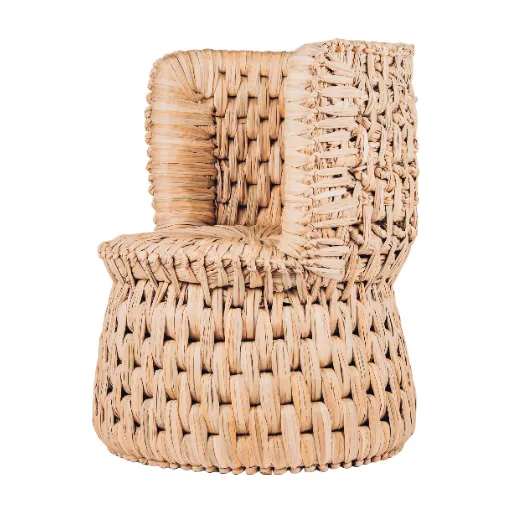
Immediate Steps to Take
Does it matter if wicker furniture gets wet despite its durability? Of course, it is critical that you act immediately to avert damage or possible structular weakening. First, take out all the present cushions or fabrics and place them in areas that will ensure they dry very well. If these materials are left wet, they can breathe mildew or smell of mildew and it will not be easy fixing the fabric. As for boxes that have liners inside that may be removed, it will be easier when you dry the cover alone from the padding inside.
After washing, every part of wicker must be blotted with a dry absorbent towel. Pay attention to these areas well as they could be where most of the water pools. It is imperative to understand that these are less hypoallergenic and a source of greater fear for the one on the other hand while these are more prone to moisture infusion necrosis rest of them required pre drying as well. This is done once the water is out, turn on the fan or leave the furniture outside under the shade where there is air circulation to dry faster. Do not overbake natural wicker in the sun as it may severely deform, redress or change the shade and become too brittle.
For stubborn moisture in inaccessible places, use an air compressor to remove water that may have remained. This can be especially crucial for those of you who have intricately constructed works and may want the pieces to last longer over time. After the drying stage is over, step out of your zone and examine the furniture if there is any existing water damage such as, changing color, any fragile areas or loss of integrity in the weaving. For practical purposes, it is better to apply water resistant treatment to some natural types of wicker or to buy waterproof covers which protects furniture from any rain showers or drizzles should they occur in the future. The steps highlighted here are not just about addressing the immediate issues, but also about promoting the steadfastness of the wicker across the seasons.
Drying Techniques for Wicker Furniture
Different methods are adopted to ensure proper drying of any wicker furniture that has come in contact with water for any reason. One can get started by creating a suitable aerated environment like outdoors for the furniture, preferably in a shade, without exposing it for long in the direct sun as doing so might make it brittle and fade. It is worthwhile to have a clean soft cloth nearby afterwards to quickly pat down and take away excess water from the surface after the furniture has been wet by cleaning or rain. In sections of a piece of furniture that are not easy to access, for example, a woven pattern or other similar areas, you can use a small vacuum cleaner with a delicate brush attachment to suck out the moisture. This action is essential as it helps to prevent mold or mildew formations in such places.
If the air circulation around your furniture may need a bit of encouragement to ensure quick drying process, one can user’s can help in the placement of a fan or a dehumidifier around the furniture. It is more effective when a person is trying to dry the object indoors because no air movement is involved. In the case of natural wicker, it is important not to use excessive heat, such as a hair blower or dryer, as this can weaken the weave and lead to the deterioration of the furniture’s structure may occur, though more so than the aesthetics. Synthetic furniture made from wicker does not warm up as much, which is why wickers made out of such material are encouraged to be dried for a long time. Frequently check on the progress of the drying to prevent any retained moisture from remaining for too long as this may lead to the damage of the structure of the material concerned.
Once the piece of furniture is totally dry, check sufficiently for any moisture, especially in places that are enclose or that have inner sections or linings. Any existing water can facilitate mould or reduction in strength later on. It also helps in providing an-layer defense mechanism against re-moistening of the surface in the form of a special polish or coatings created specially for wicker furniture that can be applied once the furniture has dried. By doing dry thing like these, this can be of more help and use to the individual as it prolongs and enhances the useful life of their wicker furniture because… it can wicker furniture get wet and used in such conditions for a long time… and this does not serve the purpose.
Preventing Mold and Mildew Growth
Wicker furniture requires some upkeep to manage growth of mold and mildew effectively. Understanding the environmental requirements and their practice for this purpose are all vital. Mold and mildew can grow very rapidly given that there is warmth and abundance of water in the surrounding. As a way of preserving the furniture in the best possible way, it is advisably not only to minimize their stay outdoors, but ensure they are kept away in dry air-free places to avoid such environments. In case the outdoor furniture will remain outdoors, the use of cover does not eliminate the moisture but more especially the water or dew soaking into the furniture whenever it rains can wicker furniture get wet. The covers however, should be loosely fitting for them to be effective otherwise mildews will grow because it will be like allowing air to be trapped.
Another critical aspect of controlling both molds and mildew is regular cleaning. Wicker is one of those pieces of furniture that require regular – preferably, monthly maintenance such as a cleaning, especially in case of high humidity where it is installed. The surface can be scrubbed clean of grime, organic matter, and spores if any, by scrubbing with a mixture of warm water and gentle soap or even using white vinegar. It is very important to mention that the furniture must be dried out completely after washing in order to avoid stagnant water which in small amounts is perfect for mold growth. In areas that are difficult to reach, use canister air or either a soft brush to help get rid of any dust and moisture in the nook and cranny sections.
Additional cost may be incurred, however, it is highly suggested to treat wicker with specially formulated anti-fungal sprays or sealant. The transparent film formed by these products inhibits the growth of mold and mildew on the surface. In such cases where treatments are necessary, it is recommended to employ unscrupulous and non-toxic alternatives that will increase environmental awareness. Importantly, such preventive measures and constant care help to prevent and control invasive mildew activity thereby ensuring that the beauty and use of the wicker furniture would not be compromised too easily across the climates that are available to it.
Choosing the Right Wicker for Outdoor Use
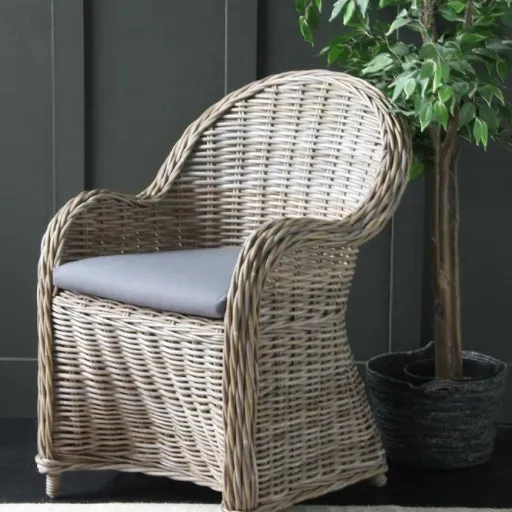
Features of Weatherproof Wicker Furniture
Wicker furniture resists all weather elements to extend its useful life and remain functional for a long time. This surface is essentially polyethylene or PVC, and it is waterproof, UV-stable and does not expand or contract with temperature. Therefore, once painted with this finish, there is no possible way that one can imagine cracking or warping as there exists ultraviolet resistance even to its fading under rain or sun for a long time.
This in itself takes care of another aspect of the cause, furnishing itself most of the weather resistant furniture. With frames made from aluminum or anti rust steel. Or otherwise the metals used above ensures the stability of the structures documented to the extent of location prone to corrosion like humid areas or coastal cities. Good quality ultraviolet stabilizers are used in the production of the wicker to preserve the colour and the styles reported are supported for greater strength versus breakage, or even weaves with protective coloration.
Numerous outdoor wicker furniture designs are versatile in movement due to their lightweight properties and do not lack in structural sturdiness to bear with the high winds. Lastly, it is worth noting that, additionally, more durable water repellant layers or coatings can be incorporated to add strength against moisture ingress, growth of fungus, and its resultant effects, extending the life span of the product with less frequent servicing.
How to Identify Quality Wicker Furniture
When it comes to looking at the quality of wicker furniture, my first consideration is the materials. The best quality wicker furniture usually contains strong synthetics such as polyethylene that are resistant to the harsh elements, and these last fairly longer than natural materials such as rattan for instance. I also look at the hardness and/or softness of the fiber and its stretchability as it should not be overly hard or soft so that it does not break easily. More so, new synthetic wicker mesh makes use of UV stabilizers in order to prolong exposure to the sun without bleaching the colors.
Next, I assess what supports the wicker, i.e., check the components that form the structural framework. Metal frames of such furniture are mostly made using powder-coated aluminum or steel that does not rust easily because when combined with exceptional durability, such frames weigh less. Additionally, I pay special attention to any loose joints because structural weaknesses may arise in the frame. One must detail the weaving as well, with tight and even weaves reflecting the skill of the maker and hence, the quality of the furniture.
Finally, I check the finishes and other protective coatings. Good quality Grades of wicker furniture are usually available with superior layers or coatings that prevent getting wet and the consequent growth of mold and mildew on the product. It is equally likely that I’ll assure myself that these finishes are also non-toxic and can be used safely both inside and outside. All these factors ensure that I buy the right can wicker furniture get wet furniture that is durable and also pleasing to the eye.
References
-
Selecting Bamboo and Rattan Furniture
Utah State University Digital Commons
This document discusses the properties of rattan and cane, including their behavior when exposed to moisture. -
Suspected Mold & Mildew – Amenities, Services, and Repairs
University of Evansville
This source highlights how wicker furniture can introduce moisture and promote fungal growth in humid conditions.
Frequently Asked Questions (FAQ)
Q: Can wicker furniture sustain damage if it is exposed to water?
A: Yes, there is no harm if wicker furniture gets wet. However, the material used in the furniture makes a difference in relation to whether it will be damaged or not. Wicker made from natural fibers including rattan will inevitably soak up moisture and will also become damaged with excessive sunlight, rain, or water for a long period of time. However, it is known that many of these synthetic outdoor wicker furniture lines can be used without any obvious damage when it rains in Ohio or anywhere else, since various manufacturers have improved these products’ water resistance. To avoid ruining your furniture and sustain its quality make sure to cover it with covers or relocate it for storage whenever possible in a safe place.
Q: Is the wicker a water-resistant or water-proof material?
A: In its various synthetic forms, rattan is moisture resistant and cannot be said to be perfectly waterproof. Wicker, however, most often comes as synthetic wicker, which is designed to resist water and is the preferable choice for outdoor’s furniture which includes chairs, tables, or any other form. However, even synthetic wicker will be better off just simply covered in the presence of rain or when exposed outside in the rain for and extended time.
Q: In what way should I care for wicker furniture that is placed outdoors.
A: Select synthetic furniture made of high-quality wicker that is more suitable for outdoor usage, i.e outdoor cushions that are waterproof and covers that are bunji tab type that can be placed over the furniture when they are not being utilized. Also, ensure that regular wiping is done to avoid any settling or water-age furniture on the ground, as well as protect the furniture from cushions every time they are stored on it or draped over it.
Q: What is the distinction between natural and synthetic rattan in exterior furniture production?
A: The natural wicker woven from rattan or bamboo is considered acceptable for indoor or covered outdoor spaces as it is light and appealing. Nevertheless, water absorption may lead to mildew problems if it is exposed to pollutants. On the other hand, synthetic wicker does not deform or gets damaged by UV and water requirements of the user and the climate, which makes it more ideal for exterior furniture including the veranda and patio. Those who are interested in any particular piece of furniture should take into account its level of upkeep as well as the frequency with which the particular piece is going to be used and if possible covered or closed during bad weather.
Q: Do chairs made of wicker material fall short when exposed to outdoor conditions for extended periods of time regarding the wet and dry seasons?
A: Outdoor furniture including wicker, especially those made with plastics, does relatively well under the sun, albeit excessive exposure would cause the polish to wear off, the fiber to get weakened due to its structure. Even the most advanced wicker would rot from a few drops of rain. This is one of the main reasons why people are advised to get some covers for their wicker or better still, get them inside during seasons when the weather can be detrimental to furniture.
Q: Please advise on the ways for maintaining wicker with respect to possible moisture.
A: To ensure the long life of your garden wicker, most people clean it often, wipe the water after rains, and apply a special treatment. Dust off dirt, wash using soapy water, and wait for the wicker to dry. Also, employ waterproofing sprays, and fitted weatherproof covers, prevent leaving the furnitures submerged for too long and keep the seat pads inside. This keeps the furniture away from rain and is also protection against growth of fungi.
Q: Do I have to cover my wicker outdoor furniture in a climate such as Florida?
A: When a heavy rainfall is expected along with the humidity, a protective cover or covers is quite essential as it works in favor of your wicker furniture further helping it out around water. This is so as any furniture tends to absorb moisture and deteriorates especially in natural wicker or rope outdoor furniture. Over and above, covers in addition to waterproof fabric cushions more or less built in and brought in every once in a while will prolong the life of the patio furniture.
Q: Is it advisable to use furniture that’s made primarily of wicker outside when indoor furniture is not designed for outdoor use?
A: Furniture made of indoor wicker is decorative or used outdoors only when sheltered, because such furniture is not constructed against moisture or ultraviolet rays. Hence, such furniture is not fit for continuous exposure to an open serve. In case you are planning to keep indoor and outdoor wicker both within every corner of the house differentiating them would be more suitable using pieces meant for outdoor use only – wicker patio furniture or expensive furniture that is used indoors or outdoors would be more appropriate as it’s much more water resistant to the elements.
Q: What kinds of materials are used for optimum furniture design considering low maintenance of outdoor wicker?
A: When considering outdoor furniture that is easy to maintain, synthetic types of wicker are the best options. They are made from molded materials such as resin or polyethylene which are more weather resistant than the naturally grown rattan fibers. It can be called a waterproof wicker furniture or a water-resistant wicker furniture and which is a perfect answer for an outdoor patio or an outdoor living room since it withstands the ultraviolet rays of the sun, does not sag from water, and accompanies waterproof fabric cushions excellently. Without these coverings as well as the right people wouldn’t be able to continually use good looking but functional wigs.


