
How to Care for Willow Picnic Baskets: A Long-Lasting Guide
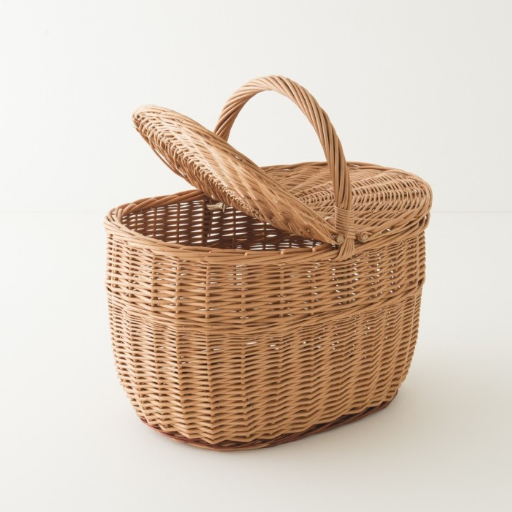
In any time, having a picnic is a full of relaxation, in every breath of wind, in every greenery around you, and in every moment spent with the loving people around you. And the distinguished accessory in many of them is the traditional but still very modern willow picnic basket, which is a quick and easy fix to purchase in the market. But some of the baskets may need contribution in order to last long, as they need to be strong, clean, and beautiful. You may be a hardy and outdoor loving picnic buff or a person who hardly uses their basket, understanding how to look after your willow picnic basket is necessary for its longevity and its finesse. This article offers some pertinent suggestions on the care of such an article, and also gives the reasons for the maintenance so that the basket remains unsullied and looks as good as new for many years to come.
Introduction to Willow Baskets
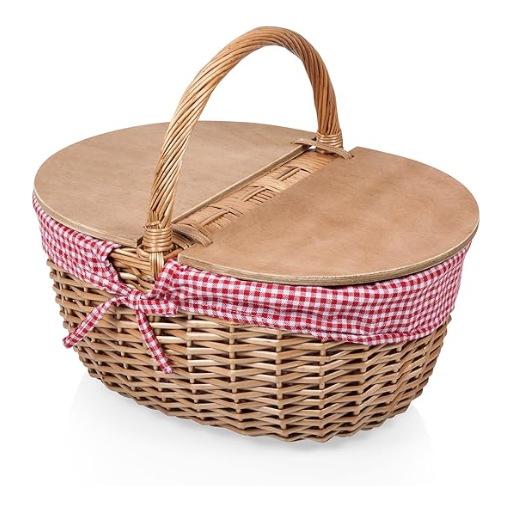
A willow basket is a contrivance made of woven willow branches fabricated as a vessel used for the storage and transport of items. It has been used for a long while to date because of its feathery construction that is very supportive of carrying out different tasks, which include logistics such as transporting goods and cucumbers that are used in picnics, among many others. There is no limit to the advancement either as willow is the kind of tree that can readily branch into other types of craftwork to make baskets including related artwork. They have a different range of sizes and styles, fitting either utility needs or also fitting in as interior decorating pieces in the house.
Overview of Willow and Wicker Baskets
Willow and wicker baskets are easily one of the most intricate and impossibly asymmetrical and strong if one considers the usefulness of the branches they are made from. Thus, it is the more twisted and durable willow splints that are still pliable which upon close scrutiny, can be made less susceptible to wear and tear. Giving the individuals the opportunity to take advantage of the amazing tying capabilities which these branches uniquely possess in reality matters. These willow weavers are required to have additional finesse when it comes to integrating weaving especially difficult, long, and thin willow bands into the projected pattern of the work.
New technologies are able to purify water and increase its resistance to environmental factors, such as dirt, so today these baskets can become suitable for heavy outdoor loads. On the other hand, studies about environmental impact note the large portion of the willow as it is fast growing and a green resource and hence best preferred for use in eco-friendly means. Design improvement has also a part to play as modern wicker baskets showcase new designs including willow being mixed with modern materials like synthetic fibers to come up with enhanced designs.
Importance of Proper Care
In the case of wicker baskets care, regarding them especially made of natural elements like willow, it has to be handled blending durability, safety and appeal. Maintenance for wicker baskets is any different and they must be cleaned from time to time because foreign matters then the requited humidity could damage the fiber material and cause them to decay overtime. Dust only while distantly blow the particles or use a soft brush or dust off with a dry cloth and apply (wet) clothes only after most of the dirt has been cleaned up without water. To inhibit formation of dents and other defects during the period when the objects are not in use, to keep cool at a moderate humidity better than under dry conditions or allowing the conditions to get moist where mold can grow.
Recent studies have emphasized the need for shielding materials such as natural lubricants or light coverings that help extend the longevity of rattan products by increasing their protection against water and solar damage. Furthermore, quick fixes such as filling small cracks with epoxy and replacing damaged parts of the product with new ones ensure that the consumer is able to conveniently deal with any little wear and tear hence maintains the product without having to rely on another one. These measures ensure that wicker baskets remain sophisticated and functioning even as they are used continuously.
Different Types of Willow Baskets
| Type of Willow Basket | Description | Primary Use | Unique Feature |
|---|---|---|---|
| Standard Shopping Basket | Oval or rectangular with handles | Carrying groceries and goods | Lightweight and durable |
| Picnic Basket | Lidded basket, often divided inside | Storing and transporting food | Insulated options available |
| Laundry Basket | Tall, open design | Carrying or storing laundry | Large capacity, ventilated |
| Storage Basket | Various sizes, simple design | Organizing home essentials | Stackable, versatile |
| Decorative Basket | Artistic patterns and fine detailing | Home decor and display | Aesthetic appeal |
| Log Basket | Sturdy, wide base | Storing and moving firewood | Fire-resistant construction |
| Pet Bed Basket | Low brim with soft lining | Comfortable for pets | Cozy, animal-friendly design |
| Bike Basket | Attached to handlebars | Carrying items while biking | Secure mounting system |
| Bread Basket | Small, shallow design | Serving bread or baked goods | Compact, easy to clean |
| Gift Basket | Varying shapes, often decorated | Wrapping gifts or hampers | Customizable designs |
Cleaning Techniques for Willow Picnic Baskets
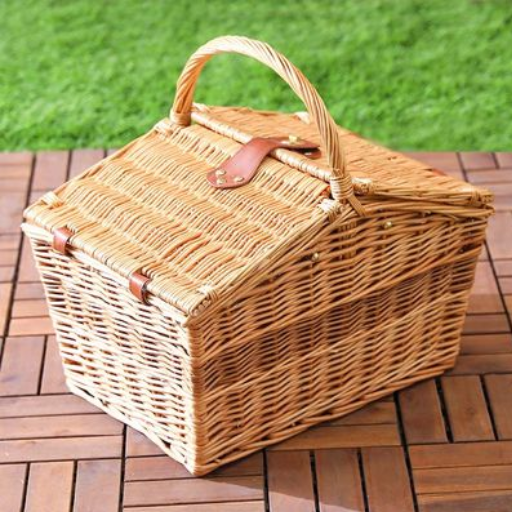
- Dust Removal: You do not have to press hard while using the brush or a dry cloth for dusting since you only want to remove the dust on the surface and the rest of the particles.
- Gentle Washing: Make a bandling by mixing the carbonated drink with mild solution. The cloth is then treated in the soap solution, not in saturated state but as closely as a thin cloth, and used to wipe the surface. See to it that there is no overflow of water or any wetting on the willow basket as that can make it shrink.
- Rinsing: Revolve the damp, soap-less cloth and try to wash up the basket to the last drop of soap.
- Drying: Place the basket in a well-ventilated place where there is no direct sunlight exposure but let it dry out completely. Do not use direct heat such as oven or hair dryer as it can hasten the brittleness of the basket, especially in case of willow wood.
Advanced Maintenance Tips for Willow Picnic Baskets
An effective approach towards ensuring the longevity of the willow picnic basket under utilization involves the carrying out of daily cleaning activities and undertaking more frequent preservation practices. Sometimes, application of food-grade mineral oil helps keep the natural fibers of the basket pliant and prevents them from splitting or drying. This is very importation especially in areas with high temperatures and humidity levels. It is also worthwhile having the basket coming with a performance guarantee on the other components such as trim, which is often attached securely to the base. Over the years, there is also good possibility that repair leaks will be necessary when theutan weaving can become unravelled in several places.
In case any serious damages necessitates comprehensive restorations, then it is best for the owner to approach a professional with the necessary skills to preserve the critical basket structures within it. In the event one is looking to store the same for an extended period, such a person is advised to put it in a cool and dry space rather than locking it up in Tupperware since this could trap in a lot of moisture which could promote moulding. One more technique to consider in such situation is to insert a locker in the basket so that there will be no stains or dirt present in the basket after its usage. In the techniques that are being developed now, one can predict that a beautifully made and lovely-looking picnic kit along with wicker facilitates can be used for many years.
Techniques for Different Types of Stains
The purpose of this study is to remove the individual scars and the contemporary gear from such a basket. It should be kept in mind that the materials from which some stuff is made are quite specific and therefore should be cleaned properly, without any help, except for the proper techniques to be expected from such a specialized cleaning procedure, as this does not have any chemicals of any kind. With such detergents dispensed by most preservative specialists and deterioration experts, as not washed properly, consider mechanics not the raw materials of the machine as the contaminated item.
When you have oil-related problems, such as spills tied to eating greasy food, it requires a special kind of tackle before treating the rug. And it is best to do so rather quickly upon recognizing. First and foremost enough cornstarch or baking soda will be put in into the affected area so that it absorbs the excess liquid in it. Allow it to sit overnight. In the morning, gently brush everything off. Sprinkle more powder or pour more cornstarch if it is necessary. If oil has remained on the spot, or if residues have stained the area, dissolve paper in a mixture of white (or plain 5%) vinegar and water (2:1 white vinegar to water).
For dye and tint solutions that fail in realization, other factors being constant, then comes white vinegar. Mildew, mold and improper storage. Mix equal parts warm water with white vinegar in a container, no more than one cup each, apply a little over the affected areas and wipe clean. Make sure to use a toothbrush to clean small holes so that no damaging occurs. If the bottom of a basket or any other storage container has mold or mold in it, it is also an effective protection from mold spores. Remove and fold properly when the basket is clean. It is recommended to dry completely before further use or long-term storage to prevent damage to its structure from residual moisture.
Using Microfiber Cloths for Effective Cleaning
Microfiber towels rank among the superior cleaning apparatuses in respect to their enhanced techniques of dirt removal which assist in the collection of bacteria, dust particles, and dirt in an aggressive way. Constructed of such fibers as Polyester, Polyamide, and others, these mops have many fine and very fine fibers in them which are much slimmer than human hair. Microfiber patterns have high surface areas and can exert certain electrostatic forces which improve absorption and cleaning opportunities than other materials like cotton.
If we keep the material dry, microfiber fabric is able to accumulate dust, allergens, or even nano-shaped particles without any harmful cleaning agents and thereby enhance the eco-friendliness of this type of product. When cleaning tools are turned into wet ones, moisture absorption being one of the highest, they can absorb eight times their weight of water, getting rid of dirt and stains (Ovibos moschatus). Properly guided microfiber cleaning removes 99% of bacteria from surfaces, surpassing traditional cleaning methods in keeping the area hygienic.
In simplest terms, microfiber cloths are beneficial for cleaning as they capture the germs and bacteria on the cloth. This is why it is imperative for every household to know how to clean microfiber cloth. Avoid using fabric softeners containing silicone during washing, as they may envelop and correctly extract dirt from the surface of the cloth. Instead, mild detergent and a temperature setting that caters for deep cleaning without ruining delicate fibers would be more appropriate. Microfiber cloths can prove to be a money saving and ecological cleaning choice both for home cleaning purposes and for cleaning in various production sectors provided proper care is given.
Preventing Mold and Mildew for Willow Picnic Baskets
Prevention of mildew and molding in willow baskets is important, as these are kept away between uses and allowed to dry properly. Food, liquids, or even conditions when putting the soaked basket with any of those are inadvisable. Use a damp cloth to clean the interior and the exterior surfaces of the basket if they have any dirt and leave them to air dry in a ventilated place before storing. Keep the basket in a slightly cool and dry place, avoiding direct sun and moisture since these encourage the attack of molds. Having sure-breathable pouches or dry bags to fit into the basket aids greatly in preserving the drier state. There is a need to carry out check-ups frequently as this provides an opportunity to tackle molds before they advance.
Understanding Mold and Mildew Risks
Mold and mildew are exceptionally dangerous when found in areas that lack sufficient aeration and have an excessive moisture level. The spores of mold are not visible to the naked eye, and are extremely easily disseminated to the edges of the environment, adhering to any organic surfaces and thriving if the right conditions are present. A common outcome from research done in indoor environments regarding mold and mildew is that relative humidity levels of 60% promote the formation of mold greatly.
In most cases, mild exposure to indoor mold growth and building dampness can cause respiratory issues, allergies, and may exacerbate lung diseases such as asthma. In particular, a number of measures that should be accorded higher importance would include keeping the indoor humidity at levels no higher than 30%-50% using dehumidifiers, increasing the general movement of air, and attending to the leaks as well as the water seepage in a timely manner.
Proactive Strategies for Mold Prevention
To avoid the growth of bacteria, it is important to take a holistic approach to the problem by making the moisture levels acceptable and ensuring that the premises are always ventilated properly. Measures which should first be taken include carrying out reasonable checks in colonel or basement, utility rooms and those areas where there are very high humidity levels usually associated with the presence of water. Use of environmental control tools such as room thermometers and hydrometers for real-time measurements of humidity is encouraged to maintain the indoor humidity level in the satisfactory range (approximately threshold value of 30-50 %). Also, inspection and proper maintenance should be done to the ventilation systems of the building, whereby the use of exhaust fans, including such things as moisture inlets, as desired, will keep condensation build-up at a minimal level.
It is a must to evaluate building resources and enhance those with greater tolerance to mildew. For instance, these may include pressure-treated timber, coating fungicides, backing drywalls with antifungal agents, waterproof mosaic grouts, or other fungicides. It is equally important, according to professionals, to never leave any traces of leaking water from a domestic area. In such instance, for instance, protection is against moisture for the blocked appreciate walls like the exterior walls or the under pining. Placing a moisture barrier under the flooring mitigates the effects of the moisture and repairs and maintenance such as mold remediation will help in maintaining high standards of the sanitation.
Removing Existing Mold and Mildew
For mold and mildew, they are usually removed using a strict fashion. This yet again calls for tackling it at the site by employing some of the necessary and most effective microbial cleaning reagents that are fit for specific mold and mildew infestation. First do wear advisable personal protective equipment (PPE) like gloves, goggles, and a respirator to avoid any hazards related to spore inhalation. Cleaning mold affected areas normally requires surfaces to be wetted with a mixture of water and detergent in cases of non-porous materials, then allowed to dry. After a mold outbreak, drywalls and carpets are the most common porous components that are likely to necessitate removal with fresh construction; this is because mold on such surfaces is thick, and it is not possible to kill all of it. When cleaning smaller surfaces with household remedies such as dilute bleach (which is commonly done by using one cup of bleach per every gallon of water), ensure to have enough ventilation to avoid unbearable fume buildup. For larger areas for which the mold has spread, especially those over 10 square feet, it is wise to call in mold remediation professionals provided the standards of relevant regulatory bodies are accepted like that for the Environmental Protection Agency (EPA) or the Institute of Inspection, Cleaning and Restoration Certification (IICRC).
Storing Your Willow Picnic Baskets
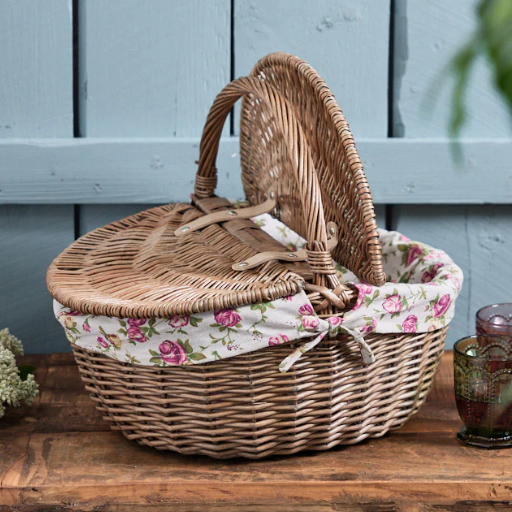
In case one desires to put away willow baskets somewhere and make sure that they remain useful over a long period of time, they have to make sure that the baskets are well cleaned and dried after use. This is especially good in avoiding instances of wilting due to the presence of moisture such as molds and mildews. Such baskets should be locked away in a non-sunny damp corner of a dry room. When storing for longer time, one can use a black dust sheet which also allows the baskets to be kept clean. Ensure baskets are kept free of insects and moisture until opening.
Best Practices for Short-Term Storage
It is important to provide safe storage, even for a short duration, to maintain the quality of the stored items. It is recommended to wipe the items, in case they are dirty or wet, before placing them in the storage area so they do not destroy the storage area. Proper storage including the use of locking containers and an organization-controlled environment helps keep dust, moisture, etc. at bay. In case the items are susceptible to temperature variations, silica gel bags and dehumidifiers can be put in the storage to absorb moisture from the air.
In the case of its use for textiles, one can use circle-free tissue paper to enable aeration and avoid the contamination of the materials due to chemical activity. Place the high frequency operable or unavailable items in the front as much as possible in order to avoid disturbing the other items in the container, and mark each container with the label for easy location identification. If you do so, periodic inspections will not only prevent the problem from getting worse, but also help maintain the tucked materials.
Long-Term Storage Solutions
Custom storage solutions are superb for the purpose of long term storage as they are embedded with modern climate control that regulates the environment specially moulded to its capacity. This ensures that there is no overheating or overcooling or even excessive humidity fluctuations that may harm the goods. Such controlled environment is advantageous because delicate articles such as electronics, old artifacts, and photographs are not left without protection from weather conditions which may lead to their bending, cracking, or development of molds. Preferred temperature for carrying out activities within this environment is usually within the range of 55°F to 80°F (13°C to 27°C) and humidity of 30-50%.
Items typically undergoing deterioration if exposed to aerial conditions should be vacuum-packed or boxed in special airtight boxes. All the more so, storing these under a vacuum environment tends to suppress the oxidative deterioration process of the polymers, decreasing their aging significantly. It helps in keeping the materials still in a vacuum or inert gas environment without utilizing motion and consequently reduces the rate of attrition, particularly with respect to the clothes, papers, and other combustible materials stored in a facility. It is possible to use other jars or containers like stainless steel water tiffins, using these is good as it helps in retaining the quality of the containers and prevents any type of pollution over the same over time.
For stored items, maintenance as well as inspection has to be carried out as operations are doomed to help them last. Periodic evaluations shall include observation of negative effects in their early stages, such as, stains, fungi, or pests. This might mean throwing out and replacing certain building materials that have been considerably damaged for example, storage boxes or liners. Sealed items that are vulnerable to light or weight and remember to swap them from light to dark position or top to bottom positions at intervals.
Keeping Baskets Away from Heat Sources
Baskets are prone to deterioration especially those made of materials like wicker, rattan or seagrass when they are subjected to high temperatures. Resting these types of baskets close to heat sources like central heaters, the radiator, floor vents, and direct sunlight puts the material at risk of cracking, drying up or warping thus causing further damages to the baskets. Studies show how temperature of more than 86°F (30°C) particularly fuels the decay of natural fibers causing splits or cracks in the weave. In order to counteract the problem, baskets should be stored in areas away from the sun or direct heat and other inappropriate models can effectively be prevented by providing the air vents to attach when in use. Even when storing these baskets within an enclosed structure, it is possible to improve the lifespan of other materials through the application of heat-shield technology along with the hydroclime microenvironment.
Long-lasting Care for Your Willow Baskets
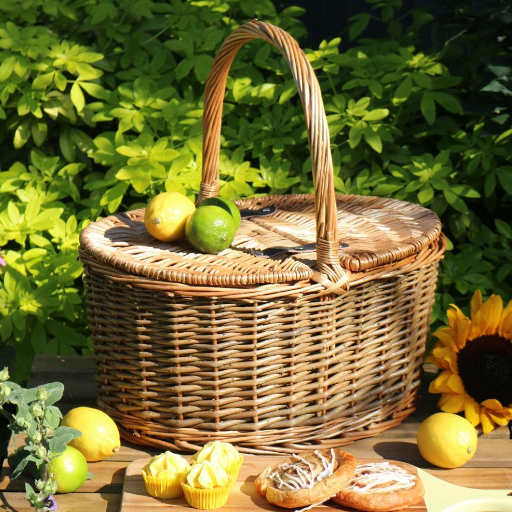
Safeguarding your perishables against mold growth is largely about ensuring the storage area is dry. Make sure the basket is dried thoroughly before storing items, as trapped moisture in the fibre encourages mold growth. Baskets should not be stored in humid spaces such as basements or bathrooms. Employing a regular soft brush may go a long way in getting rid of any dirt debris available which may contain moisture. In instances when mold appears, it is also advisable to wipe such areas lightly with a mixture of warm water and vinegar and afterwards try and dry the basket in a place where there is no direct sunlight.
Summary of Key Care Tips
- Ensure Proper Drying: The basket should always be dried after cleaning in order to avoid the build up of any humidity which could encourage the growth of mold. This is even more important after time spent underwater or in high-humidity conditions.
- Avoid Humid Areas: Baskets should be kept in airy and dry parts of a structure. Conditions such as moist coastal pasture or unconscious fiber and mold are found in humid places such as basements and bathrooms.
- Regular Cleaning: It is important to clean the basket using a soft, dry brush frequently. By doing this, it is possible to eliminate dirt and debris knowing that sometimes it may collect water and cause rotting which may ruin the basket in the long run.
- Immediate Mold Treatment: When mold shows up, gently wipe away the area with a cloth soaked in a combination of hot water and vinegar in the ratio 1:1. After this action, be sure to place the basket in a cool dark place for it to completely dry and remove some harms which can come from solar radiation.
- Avoid Direct Sunlight: This will also break the basket because materials used in weaving baskets would gradually weaken if constantly left under the sun. Furthermore, any drying carried out ought to be done in a well-ventilated room devoid of sunlight since it would lead to the disintegration of the product.
Encouraging Regular Maintenance
To keep the basket in as good a condition as possible, you should see to it that this appliance is maintained as regularly as possible. Such deterioration can indeed be headed off with respect to woven goods by ensuring that proper care is given to such woven fabrics. For instance, studies reveal that there is a significance in whether you regularly clean your basket or expose it to moisture as temperature and dirt particles are the two leading enemies in the damage of the woven basket. Similarly, attention should be paid to handling the basket at an early sign of destruction, such as strands breaking off or color fading, so that it can be mended in time. If moisture is present, drying up the area is a first level home remedy of solving the problem as this prevents further moistening and even after that the basket products repair should be done.
Final Thoughts on Enjoying Your Willow Baskets
It is not just the utility or functionality of willow baskets but the unparalleled skill embodied within which enhances the environment where they are displayed. Proper maintenance is required if the maximum serviceability of these baskets is to be reached. Applying non-aggressive approaches whenever owners cut corners such as thorough cleaning will address the issue of degradation of the weaved materials. Consequently, wet and direct sunlight exposure has been shown in many studies to cause accelerated disintegration of fabrics containing cellulose and hence, controlling these influences is very important.
In addition, it is not uncommon for professionals to recommend easy maintenance of the baskets in the form of re-oiling the interior surface of the basket time and again with edible oils, to maintain its pliancy and strength. With just some discipline from you, you will be assured that your willow basket will survive the test of time serving its purpose and remaining beautiful. They will offer, therefore, an organic, easy and innovative solution to any place where one would wish to preserve or use them.
Reference Sources
- Making Plants and Growing Baskets
Read more here - The Sustainability of English Traditional Willow Basketmaking
Read more here - Willow Picnic Baskets
Frequently Asked Questions (FAQs)


