
Willow vs. Bamboo Fencing: Which is Right for Your Garden?

Selecting the proper fencing material for the garden causes a certain degree of uncertainty as the choice between willow and bamboo is both interesting and quite complicated. Both of these solutions are different in terms of the appearance and the environmental benefit which they offer. They are used and appreciated greatly by many lovers of the garden and nature who care for the environment. Nevertheless, the question here is which of these two types of materials is going to be most appropriate for the surroundings? In this article, we shall consider the main peculiarities of the barriers made of willow and bamboo, as well as evaluate their main positive sides, negative sides, and the common place for their application.
Introduction to Garden Fencing Options
Willow fencing and bamboo screening top the list of trendy structures which appear to serve different patronage and needs at the same time. These two types of structures provide overtly different benefits. Willow fencing is weaved from willow branches and therefore is soft with a lot of give. Its rough and organic aesthetics are its highs. It is used for decoration where outdoor living cannot be accessed in the natural way but there is a garden expected. In the case of bamboo fencing, on the other hand, the style and wear are normally the case. It is also worth noting that because of the resistant factor of bamboo, vertical poles are placed to the level of the surface of a wall or level of maintainable RHS, allowing for a more vibrant and less compact space with a minimalist approach.
The Importance of Choosing the Right Material
In terms of garden materials, the usefulness and eco-consciousness are usually as important as their appearance. It has recently been discovered that new standards, in regard to the materials that are beautiful, bear the least wastage and have a longer lifespan have been created. For instance, despite the fact many prefer bamboo and willow materials because they can be easily replenished, their cooking applications have major differences. One interesting point about willow is how reminiscent it is of an organic or cottage garden. The surface is soft and gross, which makes willow stick out, for bamboo, on the other hand, is known for being very strong and better fits in urban and minimal styles of landscaping.
Further, the installation as well as the material chosen should be resistant to weather changes, especially when the vegetation is in areas where the weather is more severe. One of the main reasons is that bamboo has no effect on pests and its water-repelling elements usually last for long. This happens with willow as well as it is susceptible to deterioration and hence has to be protected. Taking into account the three factors of ecological consequences, maintenance protocols, and finally the appropriateness to the garden design concepts, I can help in making a decision you would take, making a compromise between the duration and sustainability.
Overview of Willow and Bamboo Fencing
From a material perspective and their physical properties, willow, and bamboo fencing materials differ significantly which affects their performance in various applications. Willow fencing is usually made of flexible interwoven branches giving one quite an aesthetic sensation that is a seamless integration with most natural landscapes. It is also easy to work with on irregular slopes and shapes, but it easier deteriorates with time unless it is treated with other processes.
On the other hand, bamboo fencing mainly consists of hollow cylindrical pole sticks which are dried and treated to make them last longer. Because it has a more compact molecular array, it has a tendency to be relatively hard, strong, and able to withstand loads without cracking. This is its advantage, that when used in standard room designs, bamboo does not appear as an obstruction but as a natural material. Since bamboo does not retain water very well, this is an ideal characteristic for walls and floors in damp climates. Developments in stabilization techniques like thermally treated or chemically reinforced bamboo have lengthened the life of bamboo in harsh climatic conditions by reducing deterioration and pests’ attacks on it.
Key Considerations for Garden Screening
Garden screening materials need to be carefully chosen, taking into account such factors as fitness for its purpose, aesthetic appeal, and endowments, as well as properties that it can be housed in, and the relationship it has on the environment vis-a-vis natural resources. Such materials as timber, metal, bamboo, and the synthetic materials-wood composites provide their own set of advantages. For example, bamboo screens can weather the inappropriate conditions, including fast and frequent changes in weather patterns, which are mainly caused by the prevailing wind. Although barriers made of timber, most especially the ones that are made from hardwood and treated with preservatives, do not spoil so easily, a touch of class transformation is only beneficial to them.
The primary consideration here could also be the extent of privacy. As a rule, only denser, highly detailed forms will give the best obstruction effect while the more airy models will better enable thermal protection for the compact areas. Today, new concepts are coming into existence, with many doing away with conventional materials and proposing such materials as wood that is already certified by the FSC and ‘green’ composites. In the planning process it is also important to think about how practical issues like the ease of assembly and maintainability of the materials under consideration can be addressed.
Comparative Analysis of Willow and Bamboo Fencing
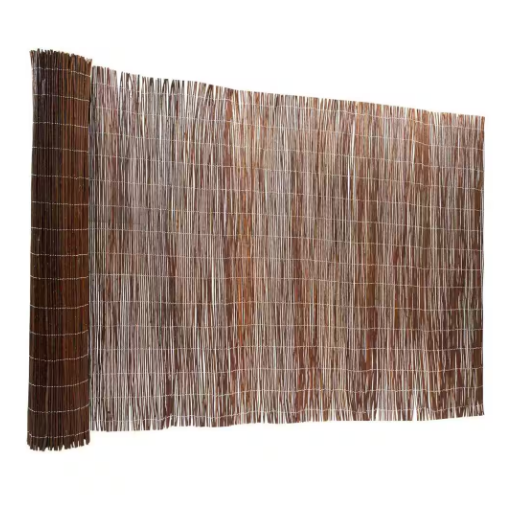
- Durability: Bamboo can be more durable. It can withstand outdoors and various pests, this being part of its nature as a strong and solid base. Willow can even be feather-light and super flexible; its character might suffer under humid conditions and sunlight making relatively frequent throwing away necessary.
- Aesthetic Appeal: Fitting a garden with some willow fencing, however, could be a better approach as it always makes the garden more put together and traditional. With its ersatz and simplistic design, the current use of bamboo within gardens also looks great.
- Environmental Impact: They are both considered green buildings. However, bamboo’s construction advantage is its high growth rate and its ability to store carbon. Willows, on the other hand, regenerate slowly and may consume more resources from their natural environment if the sources are not controlled.
- Maintenance: When treated, bamboo is a perfect waterproof barrier and, will need very low upkeep given the high preservation of its features. In contrast, willow might need more attention and preservation since pre-exposure treatments have not been common.
Compare Willow and Bamboo Fencing
| Parameter | Bamboo Fencing | Willow Fencing |
|---|---|---|
| Growth Rate | Fast-growing, matures in 3-5 years | Slower-growing, takes 5-7 years to mature |
| Carbon Sequestration | High ability to absorb carbon from the atmosphere | Moderate carbon sequestration potential |
| Durability | Highly durable when treated | Requires treatment for long-term durability |
| Maintenance Needs | Low maintenance once treated | High maintenance, needs frequent care |
| Water Resistance | Excellent when treated for moisture | Susceptible to water damage if untreated |
| Visual Aesthetic | Sleek, clean, and modern appearance | Rustic, traditional, textured look |
| Eco-Friendliness | Extremely sustainable and renewable material | Renewable but slower to replenish |
| Cost | Affordable, depending on local availability | Moderately priced, but can vary |
| Installation Ease | Lightweight and easy to install | Moderate ease, flexibility requires support |
| Longevity | Up to 20 years with proper care | Typically lasts around 10-15 years |
Durability: Lifespan and Weather Resistance
In the context of natural components and the environmental setting, willow and bamboo fencing have different endurance levels. With regards to its original physical states and conditions, artistry works made of willow fence have a significantly altered lifespan in the framework of twenty years, in perfect shape. When properly cared for, this fence system can last around 20 years due to the clever combination of flexible and hard traits that make it resist multiple mechanical effects. In order to resist the wind, the fence performs deformation without breaking hence making it most suitable fence in areas that are perceived to have strong winds. When such treatment is not provided for, and there is no chance to implement it, the material, over time, may undergo many of these conditions and cave in humid conditions.
Bamboo fencing more often than not has a life span of between 10 to 15 years, depending on the species and sun exposure. Even though bamboo is naturally hostile to pests, as well as fungi, there are some maintenance requirements, including sealing it to protect against excessive humidity or drying, which can cause it to develop cracks or literally break apart. In the case of treated bamboo, this includes such processes as carbonization or application of the protective layer, hence providing benefits in terms of Description length and adaptability to construct the eligible fit spaces. Therefore, it must be elaborated whether bamboo is a sustainable fencing material or a force to reckon with even in the unfavorable climatic situations.
Aesthetics: Visual Appeal in the Garden
The most captivating and delightful feature of the willow and bamboo fences is the possibility of integrating any of them into the environment, keeping the design to a minimum, and at the same time being classical. The willow fence which involves densely intertwined willow pits and hues of gray or brown, which, in turn, enhance the beauty of modern or traditional garden designs. Another such example is the straight horizontal lines and clear finish of the bamboo fence that may be any color, from the most natural to the carbonized ones. The usage of such building resources has become a fashionable way to make outdoor settings more refined and or practiced.
The new decade is further seeing a rise in “organic modernism” within the field of architecture, a style where there is active use of natural materials and it especially decorates using willow and bamboo. Mo, these natural covers can be modified by siHier is bridtyct are horizontal or vertical, however, they can be combined with different coverings such as climbing plants, stone slabs, among others, in order to make them more attractive to look at. Such nature enhance they can be wall recessed displays used as boundary fences, which are highly effective in order to create a green and pleasing environment, thus also making organic architectural fences the most appealing option for present-day challenges of both providing privacy and better landscaping.
Installation Considerations for DIY Enthusiasts
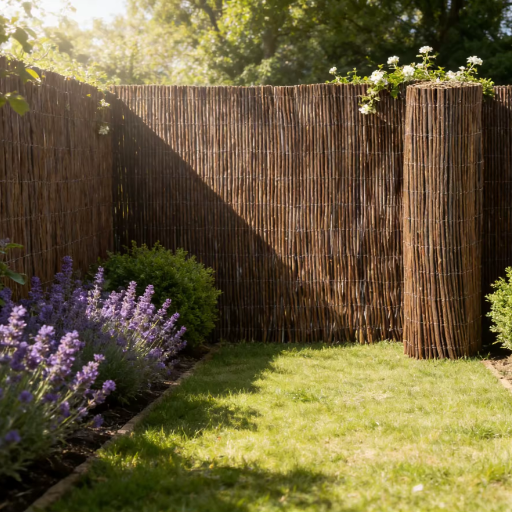
When making a construction of a perimeter for your plot with your own hands, it’s important to remember a few key steps without which the effect of hard work will be short-term. It all starts from accurately calculating the total fencing length in order to assess the actual amounts of materials needed especially where there are sections on slope; this should be something to note. It is advisable to also include the existing property lines and any other local scripts within the fence to avoid someone claiming that a particular land or structure is theirs.
When all is put together, ready for construction, you must have available a checklist and working tools in the form of a post hole digger, a spirit or water level, a hacksaw, and fixings, among others. Opt for high-quality tropical woods that come designed for outside use and are known to last in such extreme conditions. Last but not least, when it comes to putting up the perimeter wall, remember to read the instructions and ensure to anchor it properly, and importantly, ensure there is a neat finish for all the pieces.
Tools and Materials Needed
| Tool/Material | Description/Usage |
|---|---|
| Post Hole Digger | For digging uniform holes for fence posts |
| Tape Measure | Ensures accurate measurements for post placement |
| Level | Verifies that posts and panels are perfectly aligned |
| Saw | Cuts fencing materials to desired size |
| Fasteners | Secures fence panels to posts |
| Screwdriver/Drill | Tightens screws and bolts efficiently |
| Concrete Mix | Stabilizes fence posts in the ground |
| Weather-Resistant Wood | Durable material suited for outdoor conditions |
| Metal or Vinyl Panels | Provides fencing options based on durability needs |
| Protective Gloves | Prevents hand injuries during installation |
| Safety Glasses | Shields eyes from debris and dust |
| String Line | Ensures straight alignment across fence sections |
| Shovel | Assists in clearing areas or managing soil placement |
| Galvanized Nails/Screws | Prevents corrosion and ensures structural integrity |
Common Mistakes to Avoid
- Incorrect Post Placement
Fence installation errors are prevalent, and one of the common errors involves the inappropriate placement of the posts – specifically, fence posts. The wrong spacing or depth of posts will considerably influence the longevity of the fence structural. This is the reason why it is essential to ensure that corner and end posts are usually buried deeply, in most cases, at least one-third of the post height, in concrete so that their strength is well maintained. - Ignoring Site Preparation
Disregarding the essence of preparing the installation area for fencing can easily cause the installation of unevenly done fences that can not withstand the forces of the wind. Site preparation in fences does not only stop at the collection of dirt and destructive plants, but it also entails leveling of the ground to avoid installation gaps and fence height inconsistencies. - Using Incorrect Fasteners
One of the most common mistakes the people get into is using non-galvanized or non-corrosion-resistant nails or screws that are used as connectors. There is always a possibility of the protective effect of the current coating being eliminated. Moreover, they also do not stand water in the form of steam, which results in such products as non-galvanized nails and screws being damaged by rust. - Skipping the Use of String Lines
A severe problem that actually ruins a customer-oriented fence is failure to work with string lines, which results in alignment of the posts and panels to each other incorrectly. If not addressed in time, these issues will not only affect the visual quality of the fencing but also the overall integrity of the borders. Proper positioning of the line when pulled ensures that the fence elements are laid down accurately in a neat and professional way. - Misjudging Soil and Weather Conditions
Unsurprisingly, avoiding the soil identification process, determinants, and environmental considerations results in an error like frost heave or over-settlement of posts. Depending on the location and the forecasts for its climate, additional solutions like the use of suitable grades of soil or peat and different acting post holes may be necessary to maintain or enhance stability over time, especially in clayey or cold-prone areas.
Environmental Impact of Willow and Bamboo Fencing
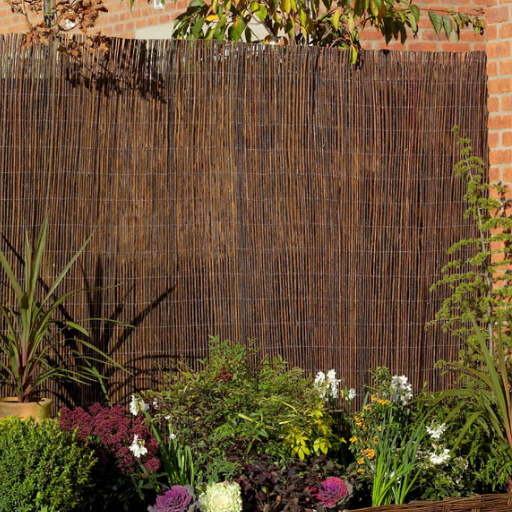
The utilization of willow and bamboo as building materials is highly appreciated from an environmental point of view. This is explained by the fact that these plants are organic: willow branches and bamboo stems grow quickly; therefore, their harvesting is not constrained by long-term resource depletion. In particular, bamboo is a good material to use because of its carbon sequestering behavior once it grows, which means that it can absorb a certain amount of carbon dioxide.
Where the waste does arise, most of it is organic and so it biodegrades into the environment without causing harm. Since the effects on the environment may depend on the points of the said issues, which are the sourcing of materials and means of transport. Similarly when one utters the term carbon there is timber in the air. To be able to supply timber or bamboo to markets, it is essential to promote locally sourced wood or bamboo which is ethically harvested and contributes towards the reduction of greenhouse gases.
Sustainability of Bamboo vs. Willow
The principles in which Bamboo as well Willow are made of are different. These facts are related to the speed of growth and the ways of receiving an abundance. For instance, some bamboo species are even faster than others. Three feet in a day is a record for an ordinary bamboo stock. The volume of such incredibly high increase rate in species, and ecological absence of fertilizers or herbicides, define the place of bamboo as quite high grade and recyclable raw material. Also, because of extensive root formation, the plant studies have reflected that the bamboo plants contribute to preventing soil erosion, retaining moisture, and providing aeration, thereby enriching soil fertility.
Willow is a practical material due to the relative increase in its growth rate, when compared to the bamboo. This enhances its usability for construction purposes in a time-constrained environment. Such a variety can regenerate from cuttings in a single growing season ensuring uniform performance without the need of replanting. There is another benefit associated with willow plantations as they offer ecological advantages by functioning as a wildlife habitat and therefore adding value to biodiversity. Nevertheless, it should be noted that, willow usually grows in relatively fertile soil and where the water availability is overly adequate, hence in some arid areas that don’t have sound irrigation systems, it might not stand as the crop of choice.
Impact on Local Ecosystems
Willow plantations affect local environments in a number of significant and multifaceted ways. These support the build-up of the vegetation that is crucial for the existence of birds, insects and other wildlife thereby enhancing the richness of the area. It has been demonstrated that willow plantations can improve soil quality through prevention of sediment loss and improvement of organic content due to decaying leaf litter. In addition to this, due to the topography of willow planted areas, water is better conserved and pollutants are filtered on the surface, enhancing the quality of streams or rivers around the area.
However, large-scale plantations might sometimes distort the native wetland hydrology, particularly in environments with limited water, considering willows are phenomenally high-water consumers. The other concern is that, if planted unwittingly in alien environments, willows may tend to invade the area beyond the confines of the study site. These call for the necessity to explore alternate plantation strategies within willow cultivation so that it renders environmental reclamation and development rather than active causation.
Recycling and Disposal Options
Moreover, when utilizing willow biomass produced through cultivation or harvesting, it is pivotal to consider the necessity of recycling and disposal which would have low environmental consequences. This is exactly where the benefit of using biochar made from willow wood chips lies, as it increases nutrients, reduces carbon dioxide absorption and is a meaningful additive for the soil. Other uses of chipped willow wood as plantation will be for soil conditioning to increase soil moisture and suppress unwanted weeds in the fields and landscaping.
For substantial quantities of wood biomass, one of the ways available is to compost it on an industrial scale. This is where they harness any organic matter and turn it into high-quality fertilizer, a type of compost that’s suitable for any type of soil. Another source of biomass is willow, and it is crucial as a resource for energetics, for example, the production of bio pellets that can be used as fuel in heat supply systems or in power plants. Appropriate resource utilization requires that waste willow byproducts be collected and disposed of as a way of inculcating the zero-waste concept. For the most effective handling of such materials a coordinated approach between the people, organizations and the recycling agencies should be used to come up with the strategies that will be best suited in such regions of high amounts of Biomass production.
Making the Right Choice for Your Garden
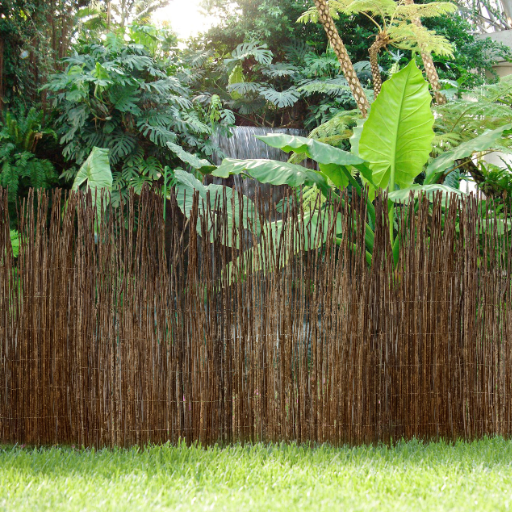
In perfection is gardening, it is all about understanding the light, soil and climate so that one can depart from killing any plant in the garden. Always choose the kind of plants that are more fitted for your garden, which means not high maintenance to reduce losses. It is necessary to also evaluate soil on its acidic nature and water retention capacity so that certain types of plants shall be grown since the condition is favorable. It is also wise to determine the periods when lighting is safe for the various plants in the garden and place light-needy plants in the sunny areas, doing the same for shade-loving plants. Besides, planting indigenous trees eases the first problem of over concentration of water-fertilizers and other resources in ecosystems.
Summarizing Key Points
In order to have a flourishing garden that will stand the test of time, take care to look at several critical factors. Make it a point to look for plants that are suitable for the weather of the area, as they will be able to flourish with minimal outputs. Also, look at your soil carefully. Consider the soil type, its drainage and pH levels and all this information with the selected plants characteristics should work together. Clarify the amount of light that the given location will receive and divide the suitable plants by their light requirements. Biodiversity by introduction of indigenous plant is winning two birds with one stone because not only does it promote better ecology but it also reduces the maintenance anxieties. The efficiency of these practices and benefits can be enhanced more by taking advantage of the recent breakthroughs in horticulture and application of research methods to them.
Final Recommendations Based on Garden Needs
To cultivate an effective garden and ensure the flourishing of its culture and practices, it is important to integrate the latest horticultural methods with area-specific information. It is advisable to test your soil thoroughly starting with obtaining information with a pH level, the presence of key nutrients, and water percolation rate which play an essential role in the welfare of the plants in the soil. Growth can also be maximized through analysis of the area’s natural resources and the use of appropriate organic and soil-conditioning nutrients, supplemented with weed-killing agents.
Furthermore, exploit weather and climate statistics to pick out the right plant types that coincide with the seasonal changes and serve as a precaution against excessive changes on temperature as well as rainfall. Also, use enhanced tilling methods, such as intercropping and simple location of crops for increased agricultural productivity while controlling pests without chemical use. Equally of importance, install watering gadgets that have ground moisture meters attached in order to prevent wastage of water and at the same time sustain adequate feeding of the plants.
Encouraging Informed Decision-Making
Integrating data based on the most current and credible science for making informed choices is essential. The resources that would help one in the analysis of issues such as trends, environment, and statistics is scholarly articles that have been well researched, as this is essential for any academic enterprise. Another important consideration is the short-term data, which allows a lot of study variables, such as the inclusion of climate, soil, or resources, to be studied more narrowly. Given this, it not only facilitates the development of such strategies as follows: in a way, this will not be idealistic, such strategies will be backed by evidence and the best factors relating to the assessment of all conditions in the given region. Such an approach uses information to close gaps and support thinking about how to advance activities that address critical issues in operations and the environment.
Reference Sources
- ResearchGate: Replacing willow with bamboo in cricket bats
- MDPI Academic Journal: Tube Shelters Outperform Mesh Shelters for Deer Browse
- Willow Fence Garden
Frequently Asked Questions (FAQs)
How much upkeep do willow and bamboo fences need?
When dealing with willow fences, routine maintenance is a must if they are to survive without any rot or insects attacking them. The bamboo fence, on the other hand, is not by nature delicate, however, it does need to be water proofed and blistered so it can withstand the sun. Preventive care in the form of annual checks and considerate alterations is already recommended to help in maintaining the cover-up and blow out appeals to a fence. When a fence is left in bad condition, it is cheaper to maintain it rather than rebuild it which would only be a pain to the user resulting in inadequate use of the resources. This is possible when the placement of the structure is chosen with great care preventing major maintenance requirements at high frequencies in the future.
Which is more long-lasting, willow or bamboo?
Although bamboo offers many more advantages in comparison to other economic factors, it is likely to ruff out the tempest of time because there exists a certain level of protective measure i.e finishing. As a matter of fact, any creative finishing is not solely for defense as it relates to beauty and there is a general consensus that undeveloped bamboo however long it might last, tends to give way – and gives way to without any horizontal interruptions, other species of bears. Some other forms of wooden covers, such as vertical planking, exhibit superiority in certain areas and lesser in others. Alternatively, in some given or specific applications, restoration of indigenous willow or oak plantations also occasionally proves useful.
Is willow or bamboo fencing more budget-friendly?
Willow fencing is generally cheaper to install than many others hence it can be used as a economical means of temporary privacy or aesthetical purposes. Even if Bamboo is more expensive in the starting, it is particularly the thicker forms and higher graded manufactured ones that are far more costly, they are quite beautiful during the stretch of time they are available. Calculate all expenses – installation, upkeep, materials to identify the true amount of money included in the project. When selecting items being used in the construction or for any other process, ensure they are manufactured by means of a minimum required procedure by being renewably energy run.
How easy is it to install willow versus bamboo fencing?
The two types of fencing; willow and bamboo, are material which can be put to use in a very unspiritual way. Willow rolls are especially for easy hanging purposes. Bamboo on the other hand is a different idea which is heavier and bulkier and may require more professional expertise in terms of stable posts and correct measurements; however, most owners are still good to go and have such features installed on their own. Greater cost is expected for professional installation, but it will guarantee such things as firm fixtures and the right tension of the panels which is essential in savings protection. Take into account the purpose of the wall and your skills while drawing the installation plans.


