
Wicker vs. Rattan Furniture: What is the Difference?

People often confuse wicker and rattan when they try to choose outdoor and indoor furniture for their home. Are they the same? Are they different? The process of selecting appropriate furnishings requires knowledge of material properties and design approaches which will result in functional and long-lasting and visually pleasing results. The article will explain wicker and rattan as two distinct materials because it will show their separate characteristics and their respective uses and their popular usage in furniture creation. The process of designing a comfortable outdoor space or an elegant indoor room requires knowledge about which design element should be used. We will show you all the details which will help you discover the best solution for your area.
Understanding Wicker and Rattan
Definition of Wicker
Wicker is actually not a raw material; most people think of wicker as a kind of material, but it is a simple technique of weaving. In this concept of wicker, tough and flexible materials such as willow, reed, rattan or sometimes even plastic are intertwined or warped and woven into simple light but strong object mostly used in making furniture and other household shelters. Again, there are extensive flexible qualities subtended by wicker making it possible for artists to incorporate more and more or less complicated designs either for functional purposes or just for decorative purposes.
The strength of wicker is primarily determined by the nature of materials applied and the skill of the beam. Wicker used in the making of house furniture on the other hand incorporates natural hard materials such as reed or rattan boards. They are mostly used to make outdoor furniture because rattan and reed wicker is not good enough due to humidity, sun and other weather conditions. And this is the main reason, which practically explains the case of wicker vs rattan furniture and other traditional materials.
The popularity of wicker arises due to factors of convenience and elegance. The weaving provides resistance while remaining light enough to move around comfortably. Plus, natural or man-made materials can easily be painted or upholstered to match whatever décor the customer has in mind, creating appeal for both homes and business establishments.
Definition of Rattan
The term rattan describes any plant of the subfamily Calamoideae that grows as a ‘climbing palm’, common in tropical parts of Asia, Africa and Australia. By contrast to wood, rattan is made up of thin and very long stems that can extend to a considerable distance thus it serves as an acme material in designing and crafting works. It is wood that acts as a vine, which is the essence of its strength and adaptability despite its featherlike property.
Rattan is a very common material used in furniture design due to its flexibleness. Its solid and uniform central part can be split and woven into canes and strands of wicker for that reason. Rattan’s extensive use is largely due to the fact that is can readily be used as an appropriate material for chairs tables baskets and even decorative objects. It is modified to withstand the elements to evade insects’ attack and thus has prolonged use even in domestic exteriors.
Lastly; it is this one quality that makes is quite popular. This does not result in similar deforestation as is the case with harvesting timber hardwoods. Rattan can easily be grown and produced in forest areas as a result it leaves space for the forest to continue existing. Consequently, it becomes a better option at a time having regard to how the raw material is obtained. With that said, serious critics of wicker vs rattan furniture have pointed out that the vast use of rattan in world markets should have an effective strategy of ensuring that their depletion worldwide is not too drastic and controllable.
Key Differences between Wicker and Rattan
Wicker and rattan are two terms that are used almost meaning the same things, though, in actual sense, they are different. The term rattan is a material found in tropical land obtained from a palm that grows like a vine. Strength, flexibility and durability are some of the features that have made this source of material famous for making furniture in the world. Wicker on other hand is not a material. The word ‘wicker’ means fixed and intricate weaving of fibers, such as rattan, bamboo, reed and many synthetic fibers, making them into various shapes and formations and creating furnishing and decorative pieces.
There is a major difference when it comes to their application. Rattan as a material is able to be turned into frames and poles which are solid enough for furniture to be used over a long period of time. On the other hand, the weave is more emphasized when it comes to wicker and different materials can be used to create such furniture. Even though wicker vs rattan furniture has rattan as one of its components, it does not only use natural fibres. Water resistance and UV protection, important qualities in the outdoor area nowadays, are also offered by resin furniture rather than wicker furniture.
The second point is that different types of furniture require different types of maintenance. Wicker vs rattan furniture, for example, requires intense maintenance and cleaning since it is very easy to break or dry out of anywhere, that it is very dry. However, depending on the materials from which is made it’s much easier to clean. Synthetic wicker for instance does not degrade with a lot of water and is adaptable and hence doesn’t need much care unlike natural wicker that deteriorates when wet. These distinctions should be taken into consideration for one to bring the correct choice of the options, depending on the goal, external factors and aesthetic intentions.
Materials Used in Wicker and Rattan Furniture
Natural Rattan vs. Bamboo
Natural rattan is flexible and ideal for intricate designs, while bamboo is rigid, stronger, and better suited for structural uses.
|
Aspect |
Rattan |
Bamboo |
|---|---|---|
|
Structure |
Solid |
Hollow |
|
Flexibility |
High |
Low |
|
Strength |
Moderate |
High |
|
Durability |
Moderate |
High |
|
Eco-Impact |
Renewable |
Highly sustainable |
|
Use Case |
Furniture, décor |
Construction, decor |
Wicker Weave Techniques
Wicker furniture can employ a range of different weaving processes all of which serve as structural fortification and simultaneously decorate the article. About the most common patterns include styles such as diamond, which can be rather exquisitely geometric or rectangular, and flat best known for its minimalistic design. Other than these, a herringbone pattern is widely applied for the construction of such structures, due to the rather complex interlacing of the pattern which strengthens and also creates interest in the piece.
Great effort is spent in performing the weaving techniques for this type of furniture, because even tension is what makes the piece strong and not distorted after a long use. The more dense forms of weaving are commonly employed as a way of increasing the resilience of the furniture to weather and durability, especially in the case of synthetic wicker fibers like polyethylene. On the other hand, despite providing more breathability and less weight such types of weaving may present a high risk of a dimensional change or distortion in humid surroundings.
With technological enhancements, it has been more practical to enhance looms until they are able to self-replicate patterns with high accuracy. However, the art of weaving retains its charm and appreciation because of its craft and exceptional fabric art that customers are able to get. Differentiating the suited weave method helps both producers and users in determining whether the function will perform as it is intended and even look pleasing enough to fit the prevailing situation and the individual’s taste.
Resin Wicker and Its Benefits
Also known as the synthetic or all-weather type, Resin wicker is such a raised up level of wicker purposefully made to look like the traditional ones but with advanced features designed for efficiency and convenience. Resin wicker is made out of High Density Polyethylene (HDPE), amongst other polymers and composite materials, and is vital in areas that experience extreme climatic conditions, for instance, the sun, water and heat are professionally addressed. As this resin wicker is not porous there is no fear of cracking or peeling and the color remains vibrant after long use outdoors.
One notable advantage of resin wicker is its ease of care and maintenance. Unlike rattan or bamboo wicker, which needs frequent sealing and specialized protection to preserve its beauty, resin wicker does not. It is light contributing to the mobility of furniture and inhibits mold growth promoting healthy usage over prolonged periods. Moreover, the ability to recycle the products supports current concerns for the environment and appeals to customers who value green products.
In terms of style, resin wicker can be fabricated in different colors, patterns, and textures: it is more user-friendly. It can also take the form of a powder-coated steel or aluminum frame, which makes it even stronger and more durable, giving this material preference for use in outdoor furniture. It is this penchant for hardness, low maintenance, and flexibility that explains why wicker furniture with these characteristics is the most preferred in outdoor designs where durability and aesthetics are required.
Pros and Cons of Wicker vs. Rattan Furniture
Durability of Rattan Furniture
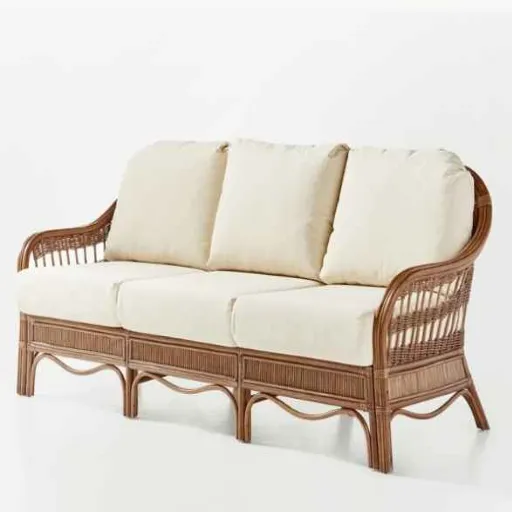
Rattan is notoriously known for its natural sturdiness and elasticity which makes it perfect for its intended use either inside a house or outside. Rattan, related to raffinatie palms that grow mostly in hotter climates, has a dense but light natural structure that breaks or cracks with use. It is worth mentioning that its longevity depends on whether we are dealing with matting or plastic rattan.
It is eco friendly and has an attractive look; however, it is also vulnerable to the environment of moisture, sun rays, and changes in temperature. In addition, any wetter climate or longer exposure to sunlight makes the natural rattan weakness along with fading within a certain time period as well as mould growths. For that reason, it is important to make use of protective finishes or provide regular care for the furniture, like dusting or covering, in order to keep them safe and well-groomed in the open air.
Whereas, faux rattan, that is usually made from thermoplastic polymer and/or other sturdy resin materials is comparatively weatherproof. This is because it is largely waterproof, resistant to ultraviolet light, and is less likely to warp or fade, which is an advantage in the high humidity and sun exposure areas. It is a lot easier to clean plastic rattan because a wet fabric or a soft soap solution is all that is necessary.
The lifespan of rattan furniture—natural and synthetic—is largely determined by its schmooze effectiveness and its frame material. The use of different frameworks such as powder coated aluminium or steel frame as opposed to a rattan frame helps stabilize it and prolong it. An aesthetic difference and functional differences are also some of the issues that arise when one has to make a choice between going with natural versus synthetic rattan.
Advantages of Wicker Outdoor Furniture
- Weather Resistant: Rattan-style pieces, especially synthetic ones, gain prominence when used outdoors as they exhibit increased resistance to different types of weather. It is not damaged by rain, moisture, or direct sunlight for a long time. It is said that the good quality artificial wicker such ceiling will serve the user for a period of more than 15 years without extra care.
- Easy Maintenance: Another strong suit of wicker furniture is its ease of care. Maintenance only requires wiping the furniture occasionally with a moist cloth, or soap if necessary. Wooden patio furniture, on the other hand, requires treatment and application of oils and varnishes, which increases the frequency and the cost of maintenance.
- Lightweight and Easy to Move:Wicker being another material used in the construction of furniture, it is far lighter than the most common outdoor furniture materials such as wooden or metallic ones. Therefore, it is possible to relocate or carry it, something that is greatly advantageous to individuals who adore re-arranging their outdoor settings always or have to put it away during non-performances.
- Aesthetic Adaptability:There is a wide range of wicker furniture that includes different styles, hues, and also numerous other different kinds of weaving that are used in making the furniture to match the desired taste of the homeowner. It can be used with modern outdoor decor as well as with rustic and even traditional one. Obviously, it is very clear that it is a suitable material, and appeals to more than one style.
- Environmentally Safe Choices: Currently, many manufacturers of wicker furniture offer an environmentally friendly alternative. Some use mature materials or other recyclable items. As an example, in case if wicker vs rattan furniture is made out of a synthetic rattan using recycled polyethylene instead of harmful rubber the waste management is improved while at the same time providing a robust and sturdy substitute for natural rattan.
Use Cases for Indoor and Outdoor Settings
Ideal Settings for Rattan Furniture
Furniture made of rattan fits well in many settings due to its aesthetic appeal complemented with functionality. In the interior of a house, rattan furniture fares well especially in conservatories and living rooms or sunrooms, in which its light weight and natural textures offer a stylish but also cozy environment. It has provided ease in fitting with relatively modern interiors owing to simple installations that are characterized by a bohemian and minimalistic décor. The same items can be modified by using cushions and other forms of fabrics to match any decor while enhancing the overall comfort of the users.
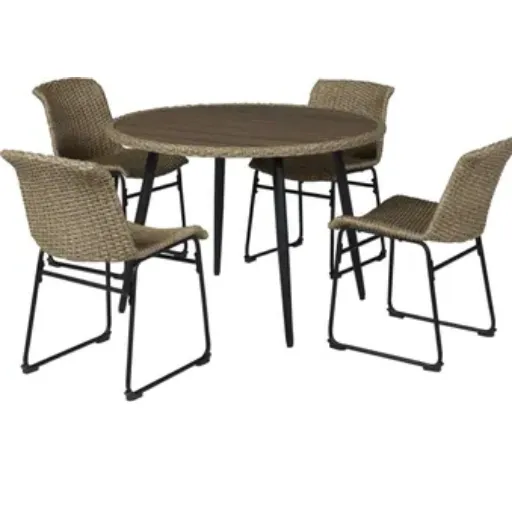
Rattan and resin outdoor furniture made with synthetic fibers like resin wicker are generally practical to use for patio, deck or garden spaces because of its strength and resistance to the elements. The aforementioned locations are perfect for rattan furniture because of rattan furniture’s tolerance to water and the sun light or even covers when the season is very cold. Apart from this, modular rattan furniture designs are perfect for any nonprecise space – lounging of people or seated guests for the dining table.
According to recent research studies in this growing product category, there is an incremental rise in the demand of rattan furniture among the consumers so as to use in the exterior spaces as well during the last few years which stands at around eighteen percent. The above depicts how the said material has proven to be versatile and is gradually being applied for purposes other than homes, such as hotels, cafes, and even lounge areas outside shops.
Best Uses for Wicker Outdoor Furniture
Why wicker outdoor furniture is considered to be the most adaptable and attractive is because it can be used for a number of different purposes. In a house, for example, this is relevant to zunie furniture wicker vs rattan furniture. It is perfect on any patio or deck space – also in gardens because the lightweight furniture is easy to carry around. Such is the case with wicker furniture among many other similar types of furniture. Even if it means setting up a dining or relaxation area within the greenery, causes emotional inhibition. Yet still without sacrificing design or durability.
Wicker bar furniture is a form of furniture of preference for such institutions as cafes, restaurants, exclusive holiday camps. The furniture is durable and can withstand extreme weather conditions such as exposure to sunlight and water, hence suitable for outdoor areas. wicker vs rattan furniture simplistic or contemporary looks it offers in addition gives businesses the chance to create a new image consistent with their particular theme. For example, it is very common to see wicker pieces of furniture inside the terrace of many boutique hotels. The intention is to create a look of sophistication while putting guests in an environment that blends the indoors with the outdoors.
One more growing application of woven wicker furniture is the transitional areas, for instance, sunrooms, conservatories, or patios. This is because the transitional zones can get accentuated very well without any problem, thanks to the wicker furniture. In addition to that, there are new materials such as synthetic resin wicker that are also helping to boost its durability and performance, providing protection from fading, cracking or peeling. wicker furniture no longer remains just a decorative piece but rather a purposeful purchase that incorporates modern uses with classic designs, for which purposeful design tips is highly recommended while looking for an outdoor furniture be it for personal use or even a business premises.
Patio Furniture Considerations
When considering what type of furniture to place on a patio, as many considerations as applicable should be taken into account, in order to get the best value in use of a given piece of furniture. Apart from this, it indicates that this relates to the kind of material that will be used hence this will define how long it will last, whether there will be need for frequent repairs and also weatherproof. For example, aluminum and stainless steel are particularly useful because they do not corrode easily, fit resistant to rust and hence perform better compared to those residing in humid areas. Similarly, types of wood such as teak and eucalyptus are used since they are naturally antimoisture and anti uv rays but may be subject for sealant or oiling in order not to lose the original appearance. In modern times, the development of suitable materials such as HDPE has increased the variety of options available by adding other features such as environmental friendliness, portability and resistance to weather conditions.
One more thing to consider is functional design. Sanitary facilities such as furniture should satisfy the function of the specific area use and avert conflict with its design. Take sectional sofas for example that allow various arrangements that suit a bigger number of people while supported by the small bistro sets found in more intimate areas. When a particular piece of upholstered furniture is made of quick-drying and sun-resistant materials, the occupants are happy regardless of the outside temperatures. The use of modular techniques in modern furniture design is also present. It provides the user with the qualities that can adjust the pieces from time to time. Additionally, ergonomics is becoming more and more well-liked since it improves the user’s experience as well as offers benefits to the user’s health.
Finally, it is important to pay attention to issues such as warranty, storage, and care solutions. These factors are best dealt with by engaging extended warranty services that will save them money in the event of any damage or explosions present in the materials used in production. Furniture solutions especially have to be well preserved especially during the off season – this oftentimes includes furniture covers, installing storage sheds, and sometimes even using temperature-controlled facilities. The amount of care required and the interval of care is equally very necessary. As an illustration, metals may require impregnation by injection or paint on the surfaces, while synthetic operates at a relaxed economy of lower Acceptable tension-cycles where only cleaning with soap/detergent and water is sufficient. These factors, when considered on various levels, individuals are able to come up with solutions that enhance the overall purposefulness, longevity, and aesthetics of their external furniture as much as possible.
Maintenance Tips for Wicker and Rattan
Caring for Rattan Furniture
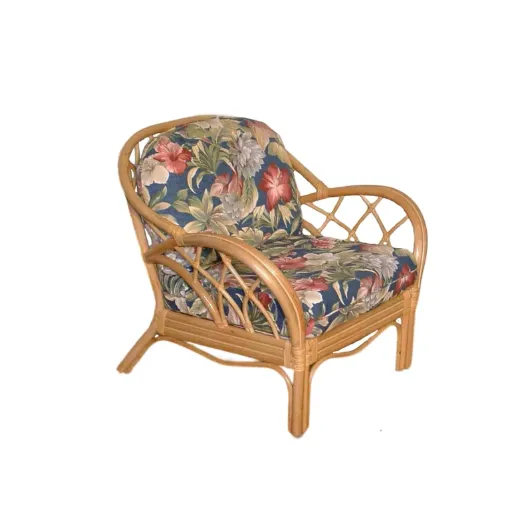
Demand for rattan furniture has surged in recent years due to its attractive appearance and being light weight yet tough. Prolonging the life of these articles and maintaining their attractiveness demands special attention. Identify first if the rattan used is natural or synthetic. This is very important for maintenance purposes. This is because the organic rattan is actually obtained from palms and is highly prone to changes within the environment as a result of humidity, UV exposure, among others. This is why their furniture should be, at all times shaded or indoors kept. The only exception maybe synthetic rattan, which has improved resistance to long periods outdoors nevertheless necessities cleaning in order to ensure its longevity.
For optimal cleaning of rattan furniture, a soft bristle brush or a microfiber cloth can be used to clean the surfaces first, including the nook and cranny areas that are prone to accumulating dust and dirt. Wiping can be carried out gently with this, and a light soap with warm water can be done thereafter; be sure to squeeze any liquid leftover from the water solution before beginning to apply the liquid. Any remaining liquid in the furniture must be prevented as it may cause the natural rattan to lose its structure in the long term; thus, it is absolutely essential to allow the furniture to stovetop base board dry, even if it means letting the furniture sit under sunshine or the use of a dry towel.
For non destructive storage, there is a need for application of protective finishes like lightly burnish linseed oil or any other which is shedding caution to the materials or furnish for drying due to lack of moisture. Applying guards including the usage of seat covers during bad weather, and more so while natural rattan is in play prevents water and sun and even extreme heat to the material. In any event, no matter the kind of rattan available, a thorough inspection should be carried out of the furniture to check if there are any defects or repairs to be done in order to sustaining rattan’s design and also prolonging the usage of the furniture.
Cleaning and Maintaining Wicker Weave
Even though initial appearance might not suggest, this vibrant rustic appeal entails serious care and observance of maintenance practices. First, dust accumulated between materials is easily discarded most of the time by brushing using a soft bristled brush or vacuuming especially if the vacuum is of the head type; this ensures the curious texture doesn’t scratch the surface. Allowing that, wiser sectional, wicker vs rattan furniture manner, for this case, is natural and faux taking it all down with the regular detergent fixing reliefs this aggression without making the fibres feeble in this process due to such kind of water saturation.
After cleaning the wicker, it is crucial to let it dry properly since leaving it damp may encourage mold and mildew development. According to experts, the drying should take place in a sufficiently ventilated place that is out of the sun to prevent correction or aging of the material. Likewise, when it comes to outdoor wicker, one can achieve a more waterproof finish by applying a sealant to the frame with the desired color or pattern. As for modern synthetic wicker, various options constructed from polyethylene are available and are more durable than the natural ones, but still require care so that their service is not short.
The above methods along with inspections conducted responsibly help the furniture remain intact and well maintained. Certain areas that are subjected to high traffic or buildings that receive a lot of use may require enhanced levels of cleaning and application of protective agents. Sticking to the tips helps with making the furniture viable supplied and designed pieces and it most certainly helps protect as well as elevate the utility of these pieces. Moreover, there is beauty in wicker vs rattan furniture, one being functional and the other functional decorative.
Longevity Tips for Outdoor Furniture
It is advisable to employ different cleaning and maintenance strategies depending on the different materials used in the manufacture of the furniture, as each has a unique benefit and weakness. For example, if we take teak and other hardwoods, it has to be cleaned with non-abrasive and mild soap that can keep the natural oil in the wood which is important in preserving its quality over time. There is also the option of applying UV sealers to such surfaces to protect them and enhance their protective properties.
Over time, metal furniture made of typical metals such as aluminum and steel does rust and corrode thus it should be inspected from time to time to see any signs of this. Protective paint coatings can be carefully washed using soap that is slightly alkaline and promptly dry rubbed to ensure that no water remains on it after it has washed off any dust or dirt. Apart from this, however, moisture resistant sprays and wax are materials which, on metal, work fine in reducing corrosive effects of water amongst other materials.
Furniture that comprises soft materials or that has cushions meant for the outdoors should have materials like solution-dyed acrylics that do not encourage mildew or bleaching. This may involve washing them in water with some white vinegar, or in more serious cases, targeted cleaning using fabric cleaners to help keep them looking as well as functioning well.
Finally, it is very important to cover them up and to store them up during the off-season as it helps usability by minimizing the time spent under the changing weather conditions. These considerations, especially the use of hard-wearing materials in the making of the furniture will extend its useful life and prevent unnecessary expenses in replacements.
References
-
The Development and Effects of the Twentieth-Century Wicker Revival – Academia.edu
Explores the historical and cultural significance of wicker and rattan furniture. -
Prospect of Traditional Cane Handcraft in Interiors – Academia.edu
Discusses the eco-friendly nature and craftsmanship of wicker and rattan furniture. - Click here to read more.
Frequently Asked Questions (FAQ)
Q: What’s the distinction in wicker vs rattan furniture?
A: When people think about rattan versus wicker, rattan is a natural material or substance used in making furniture, rattan being – a kind of rattan palm – viewed as an encasement, is different from wicker which is the technique or the style of weaving which can be done using rattan or any other natural or synthetic materials. In summary, rattan is the source material or the plant, and wicker is the woven furniture which is commonly made from rattan or some weather-proof and artificial fibers.
Q: Is it that rattan is synonymous with wicker?
A: it’s negative: the natural resource from the plants of rattan is the rattan that is known to be light and durable. As for wicker, it is the woven structure or technique that is used in furniture development processes. It is possible to have wicker made of natural rattan. However, wicker is also molded plastic which is meant for garden and outdoor furniture.
Q: Among the two materials for making furniture, wicker and rattan, which one is better suited for outdoors?
Rattan furniture produced from synthetic materials can be termed as all-weather or synthetic wicker furniture, and they are suitable for outdoor use because they resist water, the sun’s rays, and temperature changes in an untreated state than in a natural rattan state. Rattan means that cutting furniture designed for outdoor use can withstand the rigors of weather conditions is made using synthetic fibers or more stated rattan types.
Q: How long can a rattan furniture piece serve you?
A: Rattan being a material derived from palms may sometimes last for long if woven tenderly and well fitted to the best use. Scrolling rattan over hard and firm furniture frames result in the creation of lightweight but tough furniture for indoor purposes as well as others meant for semi-outdoor use. The finishes of natural rattan furniture can be exposed for a longer time when they are not covered up which is impossible when protective coatings are present.
Q: What is the best way to maintain wicker vs rattan furniture?
A: When cleaning rattan and wicker furniture, one must vacuum and dust the rattan weave often to get rid of debris and use a wet cloth with soap to handle stains; natural rattan should not be left out in the rain or direct sun for too long and protective covers are recommended for outdoor furniture. Synthetic wicker requires less upkeep, and most of the time, just needs a soapy wash; in both cases, it is a good idea to periodically check the furniture frames and beside joints.
Q: Can all manner of furniture including sofas and drawers be molded using rattan?
A. Yes. Due to the adaptable nature of rattan, furniture such as chairs, sofas, dining tables, and even coffee tables which incorporate wicker baskets can all be manufactured from it. Not only can these items be crafted from rattan material woven in wicker form but they have also been constructed as indoor and outdoor pieces thanks to their light weight and natural beauty.
Q: Is there anything that I need to know when it comes to wicker vs rattan furniture in relation to their effect on the environment?
A: Wicker is produced from the rattan plant and can be used in a way that conserves the planet’s resources if sourced properly. Wicker aside, the synthetic material switch for wicker is usually plastic which although not the most environmentally friendly, offers advantages such as being strong and easy to clean. Conserving the planet’s resources by choosing replenished rattan or reusable materials.
Q: What is the distinction in terms of use between the two as I am thinking of buying garden chairs?
A: Assess the sitting surfaces to be placed, for open or indoor areas flexible rattan designs do the trick, for such instances where outdoor furniture is fully in direct contact with weather elements, use natural wicker vs rattan furniture , weather resistant or waterproof and/or sunlight proof furniture. Other considerations include availability of frame materials for the pieces and the cushions in question and whether one prefers the genuine rattan model, or just the convenience of the plastic resin deck furniture.


