
Resin vs. Plastic vs. Synthetic Wicker Furniture: Which is Best?

When it comes to buying a garden furniture, this is where material selection becomes very important as it directly impinges on the durability, cost, and aesthetic of the furniture as well as its resale value after a period of time. There are several materials of outdoor furniture to choose how including resin, plastic as well as synthetic wick furniture which are all very good and tremendously popular though each with its own strengths and weaknesses and strong points of appeal that differs surfaces and conditions and budgets. Be that as it may, in most cases, penalty of this decision is borne by all the available alternatives in the market and therefore while determining any specific alternative, a decisive factor is often absent. This piece of writing examines the distinctions, merits and demerits of resin, plastic and synthetic wicker fittings. This ensures proper information that allows for the proper knowledge is obtained prior to making a commitment to a choice of what is to be placed. In case where you are looking for something that is classical, functional, or eco-friendly, you can find the assistance in this document.
Understanding Wicker and Its Variants
What is Wicker?
Technically, the word “wicker” describes a method of weaving instead of a material type. It is an old craft of wrapping or braiding supple materials into various forms so as to produce light but strong and sometimes very decorated objects. Originally, wickerwork was made from materials like rattan, bamboo, willow and reed which are all pliable and powerful in texture.
Two major classifications of modern wicker exist – traditional and contemporary. For the former category, wicker is made from natural fibers such as rattan and cane whereas in the latter case, manmade resins such as polyethylene are normally used have become popular over time mainly due to the increased longevity and resistance to weather elements. Each type is woven in the same style, maintaining the look of classic wicker, but offering different benefits depending on the material involved.
Factors such as environmental conditions and the purpose of using wicker in question determine whether natural or synthetic wicker is to be used. Natural wicker is ideal for internal or covered applications due to the fact that the material is susceptible to factors such as water and sunshine. Synthetic Wicker, on the other hand, is designed for outdoor use and therefore can withstand rain and sunshine, making it perfectly suited for use in patios and gardens. Such information helps consumers to choose the correct furniture made of wicker for use in their respective areas or for what purpose.
Types of Wicker: Resin, Plastic, and Synthetic
People select resin wicker furnishings commonly due to their durability and resistance towards the environmental conditions. Manufactured from HD polyethylene, the resin wicker is created to be durable especially against the effects of sunlight, moisture as well as temperature. This is unlike natural wicker, where it can be easily broken, destroyed and become faded. Which makes it suitable for patios and decks, as well as garden areas. In addition, the tiresome measures of maintenance are cut down to almost zero, where you will need to clean the wicker using only water and soap from time to time in order to keep it looking new.
Although they are made of entirely different materials, plastic and resin wicker appear nearly identical but it is cheaper to make the former as it is manufactured using very cheap materials like PVC. Yes, plastic wicker is cheap and lightweight, but it is also weak and easily deteriorates over time, more so under harsh weather conditions. Sustained exposure to UV light may cause it to lose color and become very fragile faster than resin wicker. Nevertheless, where there is budgetary constraint or the weather is not as violent, plastic wicker does its job quite well.
Artificially created wicker, including resin and other synthetics, is fabricated in such a way that it adjusts to various circumstances. This aims to achieve the visual beauty of the traditional baskets, however, without the same methods of production, by other ways now used in production according to the weather friendliness level of the above baskets. Individuals and companies manufacturing or marketing synthetic wicker products apply this technology as an aesthetic alternative to the traditional looks of baskets tables and chairs. Each variant being designed methods differ according to specific constraints: especially rugged winter conditions, openness, and salt loaded air. In general, the term synthetic wicker includes many variations, each of which is a nice blend of purpose and style.
The Role of HDPE in Outdoor Furniture
HDPE supplies a vital role in the design and utilisation of external furniture while meeting the needs of weatherproof features that are durable and user-friendly. The high-density polyethylene is a thermoplastic material derived from petroleum and more importantly is recognized for its high strength to density ratio; therefore, perfect for use in the open air. Outlined below are five new aspects or benefits of using high density polyethylene materials in outdoor furniture.
- Protection from Environmental Elements: Exposure to harsh weather conditions such as UV rays, raining and changes in temperature has minimal effects on the material. In contrast to timber, it does not tend to bend, break or fade with exposure to sunlight for an extended period of time.
- Recyclable Construct: The items of HDPE also tend to contain recycled products therefore posing little to no danger to the environment. Most of the producers, to end up with eco-friendly used again products of high quality, use post consumer plastic waste.
- Limited Care and Cleaning Obligation: When tasked to present resin wicker patio furniture’, no considerable efforts are in place in terms of maintenance. Few repair jobs and much less upkeep thanks to its resistance to stains at note, no treatment or sealant is really needed for cleaning as one can only use soap and water.
- They Can Carry Weight:Wood is effective only up to a certain extent when it comes to weight due to the fact that wood is prone to breaking and bending under pressure as opposed to HDPE which can take loads of items without breaking the seats and tables with ease.
- Resistance to Chemicals Property: Among the advantages that can be attributed to High Density Polyethylene is its resistance to chemicals and other corrosive substances including saline air, detergents and cleaners. This characteristic makes it appropriate for such occasions which are characteristic of coastal regions or areas where there is much contact with chemicals.
When evaluated against these factors, it can be said that HDPE is an adaptable and effective material that has functional uses in the making of outdoor furniture designs and meets all these usability needs.
Benefits of Resin Wicker Patio Furniture
Durability and Weather Resistance
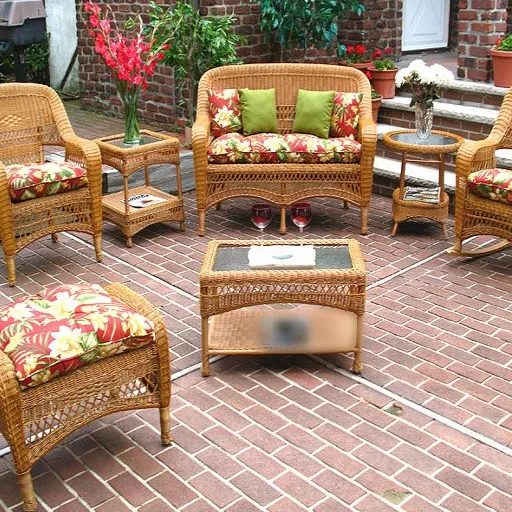
Outdoor furniture like resin wicker patio furniture are designed so that they can provide service irrespective of any weather condition without losing strength. Ill-effects are minimized due to the chemical composition of its basic units involving artificial polyethylene resin and can hence withstand outdoor over-use. Following is an explanation of at least five aspects of this ability.
- Ultraviolet (UV) rays resistance: This type of wicker features ultraviolet inhibiting additives, which delay or prevent color fading and cracking due to excessive sunshine. It, therefore, enables the furniture to be usable while cherishing its colors and strength even in sunny weather.
- Proofed AgainstWater: The synthetic resin incorporated in resin wicker is impervious i.e. it does not let water through the texture. It does not absorb water thus avoiding any tendency for the material to cue into molds and mildews or to rot.
- Thermal Suitability:Temperatures range from freezing in the winter to scorching hot in the summer, and can be handled by resin wicker without it warping, cracking or becoming brittle. Therefore, it is applicable in different environment.
- Doesn’t rust: As earlier stated, resin wicker cannot be rusted unlike its counterparts which are natural and are if not covered. This property ensures its survival in different external conditions.
- Maintenance is at very low levelsL The resin wicker furniture is constructed against holding any dirt or stains making its cleaning very easy. Generally, wiping with water and jane soaps once in a while is all that is required for the furniture to remain neat over the years even after prolonged outdoor use.
For consumers looking for strong, resistant furnishings that can tolerate different weather conditions, resin wicker patio furniture proves to be a perfect specialization.
Aesthetic Appeal of Resin Wicker
Reclined back wicker outdoor seating is appealing since it incorporates many different shades into a single unit apart from being light and strong. Given below are five attributes that justify presenting the resin wicker furniture:
- Range of Colors: There are many different colors of resin wicker from the conventional black, brown and white to the more vivid turquoise or red. This benefit makes it possible for them to complement their furniture with their outdoor design.
- Rich in Texture and Wickers: The current designs of resin wicker materials mimic the regular natural wicker. This is because there is an attractive, hand-woven texture that invites further use yet retains strength. Such kind of combination looks very natural and at the same time very convenient for all kind of styles.
- Designs are not Limiting: The raw material is suited for manufacture of different designs of furniture inclusive of present, past or simple styles. This allows the use of resin wicker in association with diverse types of building as well as landscaping.
- No Dewatering Before Fitting: Because of the ultraviolet resistant finishes, the resin wicker does not lose the coloration or the finish due to direct sun exposure, and therefore this contributes to their beauty for a long period.
- Blending Well With Applied Surfaces: Resin wicker well goes along with cushions as well as fabric of each style and texture. It is quite a nice phenomenon because the outdoors can be effectively restyled sure due to fabric variation in ornaments.
It is with these characteristics that resin wicker becomes not only durable but an impossible solution for any exterior improvement due to the fact that it looks smart no matter what elegance one is creating.
All-Weather Advantages
All-Weather AdvantagesResin wicker is one of the best choices of outdoor furniture mainly because it is crafted to withstand nearly all weather conditions hence the reason why it is highly recommended for settings outside the house. The following five expanded performance features of all-weather resin wicker patio furniture validate its potentially dynamic yet stable aspects:
- Anti-moisture: Its synthetic makeup makes the product resistant to water and moisture. Therefore it cannot warp, overthrow, or even have fungi growth due to the humid or rainy weather conditions. According to research, the rate at which it absorbs water is umpwa below 0.5%, hence allaying the fears over damages as a result of moisture.
- Sunlight Protection: The material used in constructing this furniture is equipped with ultraviolet inhibitors thereby resisting fading or coloration induced by solar light exposure. wear & tear analyses confirm that good quality synthetic wicker can retain 90% of its original colour even after years of use outside in direct sunlight as is often the case with rattan and other natural materials..
- Weather Considerations: Regardless of the low temperature or the high scorching temperature resin wicker does not lose its structure which is in contrast with the natural wicker which may lose its structure or many times crack on different temperature scales. Such resin does not crack or break even when the temperatures are as low as -4 ⁰ F or the highest at 122 ⁰ F, it remains firm.
- Resilience Against Corrosion and Chemicals: Contrary to metal and other materials, mechanisms, resin wicker does not rust or corrode when in contact with salty air meaning that it is fit for coastal regions. It is also insensitive to chemical action of garden cleaning substances and therefore does not pose any difficulty to clean in spite of use.
- Sustainable and Reclaimed Content: Since manufacturers create resin wicker via sustain able processes. As such, much of it is usually made from recycled polyethylene together with other polymer materials which ensures minimal exhaustion of the environment yet it is very durable furniture throughout its usage.
These weather resistance gains enhance the value proposition of choosing resin wicker as a tough and enduring material for most exterior decorations.
Comparative Analysis of Outdoor Furniture Materials
Resin Wicker vs. Wood: Pros and Cons
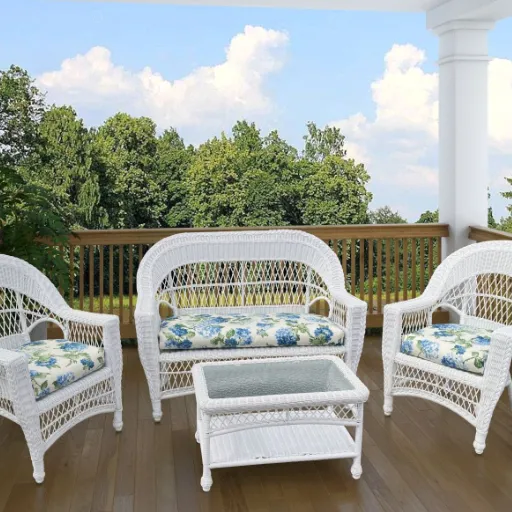
Resin wicker is lightweight, weather-resistant, and low-maintenance, while wood is durable, natural, and requires regular upkeep.
|
Aspect |
Resin Wicker |
Wood |
|---|---|---|
|
Composition |
Synthetic fibers |
Natural timber |
|
Strength |
Robust |
Moderate |
|
Weatherproof |
Yes |
No |
|
Care Needs |
Minimal |
Frequent |
|
Portability |
Lightweight |
Heavy |
|
Style |
Contemporary |
Traditional |
|
Price |
Budget-friendly |
Premium |
|
Sustainability |
Limited |
High |
|
Longevity |
Extended |
Average |
|
Scratch Risk |
High |
Low |
Resin Wicker vs. Metal: A Comparison
Resin wicker is lightweight, weather-resistant, and low-maintenance, while metal is durable, sleek, and requires moderate upkeep.
|
Aspect |
Resin Wicker |
Metal |
|---|---|---|
|
Material |
Synthetic |
Aluminum/Steel |
|
Durability |
High |
Very high |
|
Weatherproof |
Yes |
Yes |
|
Care Needs |
Minimal |
Moderate |
|
Weight |
Lightweight |
Heavy |
|
Style |
Classic |
Modern |
|
Heat Retention |
Low |
High |
|
Cost |
Affordable |
Expensive |
|
Lifespan |
Long |
Very long |
|
Scratch-prone |
Yes |
No |
Resin Wicker vs. Plastic: Which is Better?
Resin wicker is durable, weather-resistant, and low-maintenance, while plastic is lightweight, affordable, and less durable.
|
Aspect |
Resin Wicker |
Plastic |
|---|---|---|
|
Material |
Synthetic resin |
Plastic polymers |
|
Durability |
High |
Moderate |
|
Weatherproof |
Yes |
Limited |
|
Care Needs |
Minimal |
Low |
|
Weight |
Lightweight |
Very light |
|
Style |
Classic |
Basic |
|
Cost |
Higher |
Lower |
|
Eco-friendly |
Recyclable |
Limited |
|
Lifespan |
Long |
Short |
|
Scratch-prone |
Yes |
Yes |
Maintenance and Cleaning Tips for Resin Wicker
Keeping Your Resin Wicker Furniture Clean
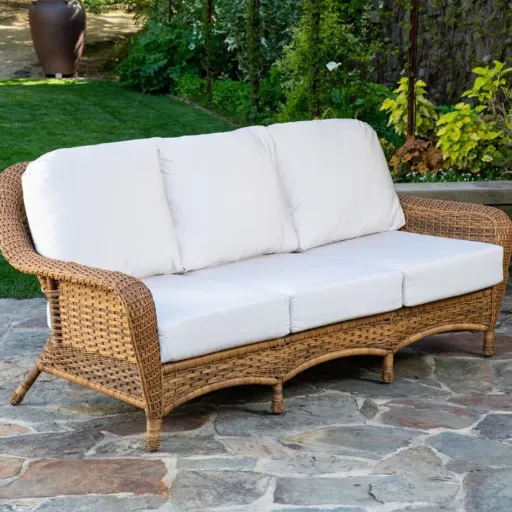
In order to preserve the life and appearance of the furniture made of resin rattan it is necessary to upkeep the furniture with regular cleaning. It is preferable to use a soft bristle brush or vacuum cleaner with a brush type nozzle first to get the detritus and dust out. This prevents them from settling in the grooves and crevices where they may cause damage over time if left unchecked. If a more comprehensive cleaning is required then the above preparation is followed by a mixture of mild dishwashing detergent and hot water to the surface with the help of a soft sponge or a towel. The surface is gently bleached but care should be taken not to damage the synthetic resin weaving as extreme pressure may spoil the finish.
Thoroughly clean the furniture using the garden hose with minimum pressure so that all soap is properly removed. If any soap residues are left on the surface of the furniture, they may stain the surface or, worse still, make the texture seem rough in future. The furniture should then be patted dry with a towel, or left to dry in a cool non-sunny area. This is to ensure that there is no moisture that remains inside the resin wicker patio furniture water resistant walls which may warp due to such cycles.
Whenever a tropical condition is in question regarding the furniture, one can always apply a UV-protectant spray which is meant especially for resin materials for less sun impact. It is more appropriate to also store the resin wicker furniture outside of use especially under weather protecting wraps or in shades. Maintenance on a regular basis along with prudent storing and sufficient preventative measures keep resin wicker patio furniture looking attractive and in good condition for long periods, and thus being a cheaper and more practical option.
Best Practices for Long-Lasting Quality
- Care and Maintenance: Cleaning is an important aspect of the care process as it keeps the resin wicker patio furniture from degradation. The residues of dust, dirt or other contaminants can be easily wiped off with a soft-bristled brush or with the help of mild soapy water. Do not use the recommended abrasive cleaners or tools on any resin surface as they will cause damages and scratches.
- Prevention of sunlight: Overtime exposure to the ultraviolet rays causes discoloration and weakening of resin materials. In order to combat these challenges, ensure that such materials are stored in cool places or use specialized sprays with UV protectants. These sprays form a layer on the surface preventing it from direct exposure of sunlight and maintaining its resin content of both color and elasticity.
- Control of Heat: Dramatic temperature reductions raise havoc on resin wicker patio furniture as they cause it to crack or break. For instance, in winter or when there are sudden weather transitions, storing furniture within controlled environment or even using strong outdoor covers would save from damages deriving from expansion and contraction of heat.
- Weight Management: As much as resin wicker is strong, placing too much weight or using it inappropriately may damage it. Do not add excessive weight on furniture, and do not seat or place tables on it. By observing the guidelines given by the makers, the life span of the furniture is enhanced.
- Moisture Control: Standing water should be minimized on furniture through proper drainage. For example, raised legs design can be employed to ensure the furniture is elevated and dry. Besides, regular checks would help in preventing possible water retention and warping or weakening of the resin material.
If these best practices are put into use, users are enabled to not only enhance the lifespan of their resin wicker patio furniture but also retain its beauty and utility for a longer period of time. This is because putting such furniture in the right condition and under proper mitigation strategies renders them light in terms of maintenance and cost not only for spaces within the buildings but also outside the buildings.
Seasonal Maintenance Checks
Resin wicker patio furniture owes its sound condition to timely maintenance carried out seasonally by owners. At the commencement of each seasonal period, all the furniture should be carefully checked for characteristic damage like cracking, fading, or losing the weave. It is also imperative to check for the joints and associated elements of the structure so that they do not impose unnecessary stress and can sit still without wobbling. With regard to cleaning, it is advisable to use a mild soap and sponge to clean the woven pieces as these tend to get the most dirt and accumulated dust in the woven parts.
When using furniture outside, evaluate how much it is subjected to seasonal factors – UV light, rain, and temperature changes among others. It would help if you considered utilizing a UV-protectant spray in order to control any fading due to long duration of exposure to the sun. Apart from that, one should manage moisture-sensitive areas by checking if water did not stagnate in any compartments since this would affect the longevity. Elements like, sensitive Protectors or roof covers additionally help in preserving the pieces of furniture.
Objects can be prolonged by the users if they have such chronological and focused seasonal assessment of their resin wicker patio furniture and as a result lower the impact of unnecessary fixations. This will further support the growth within the frame of professional management, where there is concern about the look and the physical strength in different settings.
Styling Your Outdoor Space with Resin Wicker
Incorporating Cushions for Comfort
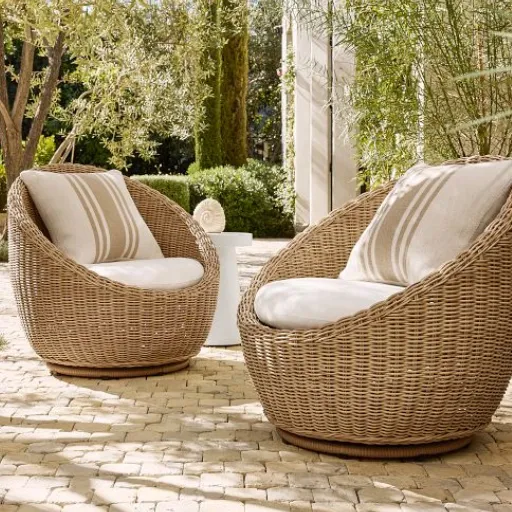
To improve the comfort level and the appearance of resin wicker patio furniture, cushions become a critical inclusion. One needs to consider several technical features such as, durability of the material, ability to soak water and its resistance to the radiation, so as to dansure that the cushions can be used outside. High functioning materials such as solution dyed acrylics and other polyester-blend materials are particularly useful in such circumstances because they do not fade easily and are not affected by mold. These are very helpful when it comes to dealing with the elements outdoor since they provide a lasting solution with their structure and decorations.
More than just materials, cushion thickness and density are equally important when it comes to comfort. This is because cushions that are made of hard foam and wrapped in softer foam are able to strike the right balance between firmness and softness. For heavy-duty spaces such as patio or pool furniture, as known, quick dry foam with an inner lining of waterproof fabric enhances the use even more, that water will not be an issue. Lastly, the development when it comes to ventilated face shirts or short tops, for example, that have mesh parts, useful to allow air in and out, and hence eliminating the amount of heat, gives assurance that summer comfort is not a problem at any time of the year.
From a designer’s point of view, cushions are a beautiful, artistic, or may be functionally efficient accessory for making an outdoor space unique. The principle of variety in colors, patterns, and textures can be used to bring furniture sets into visual balance. These include reversible cushions with different prints on both sides and components that can be switched among different spaces. These are smart designs which enable every individual to design according to their preference. Use of long or slender cushions like bolster cushion, lumbar pillows etc. is well crafted for support and decoration. Utilizing padded inserts with all of those aspects guarantees owners the evolution of their old fashioned all functional furniture into one that is as practical as it is esthetically pleasing.
Designing a Functional Outdoor Living Space
Effective utilization of space in brief with such exterior, requires comprehension of the structural frame, how these materials are able to withstand their present working normalcy or age as its primary features. It starts from the selection of the flooring materials such as composite decking and/or those of natural stones to degradation by the elements of weather and durability. Adaptive seating arrangement will also enhance the usability of the space as it adapts silences the user’s activities.
Besides, lighting greatly contributes to both the functionality and the mood of the space. Providing the under cabinet lights and overhead lighting in the form of led and even solar contraptions gives the space a better depth and enhances the rest of the décor. Further, use of seating furniture such as benches witch have a storage underneath or tables with a height adjustment mechanism, especially in case of small spaces, allows effective use of the space.
Of no less significance is the infusion of features geared towards sustainability and environmental concerns. Particularly, the use of native plants or the ones that do not need much watering is encouraged so as to avoid excessive water use while enhancing the natural environment. Again, retractable awnings and pergolas shaded with UV protective fabric will reduce sun exposure but more importantly, prevent heat gain and hence save energy. These elements of design allow for the validation of outdoor space that is functional, easy on the eye and integrated for quite diverse consumption and climatic challenges especially by appropriate distribution of space.
References
-
The development and effects of the twentieth-century wicker revival
This paper explores the historical and cultural significance of wicker furniture, including its evolution and modern applications. - Click here to read more.
Frequently Asked Questions (FAQ)
Q: Can you explain what resin wicker patio furniture is and how different is it from the conventional outdoor wicker furniture?
A: Resin wicker patio furniture is a non-eco friendly basketweaving over furniture frameworks, most commonly furniture frame of cast aluminum using materials such as HDPE wicker or any other resin based materials. While traditional wicker furniture is made with natural rattan materials, modern day furniture known as resin outdoor wicker has been created to be perfect for porch, terrace or garden as it has a tendency to repel water, harmful sun rays and temperature whereas sleek outdoor rattan furniture is used.
Q: Will it be fine if I use a resin wicker set or is it suitable for long period outside recreational use?
A: By all means, good quality HDPE wicker and its resin outdoor derived components furniture is available for the enjoyment of its users for a long time with minimal care needed. Furthermore, when coupled with tough frames like aluminum bases, resin wicker patio furniture will weather all outdoor elements gracefully and admirably for many years.
Q: Are the latest patterns of outdoor wicker furniture available in the form of resin wicker patio furniture?
A: Sure thing. These days, sleek outdoor wicker furniture includes modular patio chairs and sectional sets as well as modern wicker dining furniture. Outdoor furniture is quite easy with the use of resin wicker that offers the natural style of rattan patio furniture but the durability of synthetic ones.
Q: Are advanced modern parkas with transitional wicker dining chairs and molten plastic chairs available for seating in resin wicker furniture?
A: Garden or patio furniture in resin collections comes with a variety of seats such as wicker dining chairs, lounges, as well as comfy seat cushions. Most of their sets have deep seating and sculpted designs to ensure that you can enjoy the use of the furniture as much as seeing it, thus enhancing convenience and decoration at the same time.
Q: How do you compare resin wicker in terms of how it looks and how well it performs compared to say, garden rattan or natural rattan patio furniture?
A: But unlike natural rattan or outdoor rattan furniture, resin furniture lasts longer against the elements because of its similarity to rattan looking furniture. The outdoors may have an appeal in terms of rattan, which however cannot be used for rainy regions or those with excessive heat. Tables and chairs made of resin wicker, however, do not easily fade out color nor their structures. Therefore, most if not all garden furniture is made of this material.
Q: Is it possible to use resin wicker with cast aluminum by creating robust patio furniture legs and back rests?
A: Indeed, several brands of superior wicker furniture incorporate cast aluminum or powder-coated steel frame to offer support and to deal with rust while still being adjustable. This makes sure the resin wicker weave-supported seats for the outdoor use stands up to the usage and looks attractive at the same time.
Q: In any case, what sorts of colors and designs, to be more specific, what colors variations of resin wicker garden furniture are there?
A: The range of colors and finishes in the manufacturing of resin wicker includes the traditional brown basket shade that helps create a cozy and earthy atmosphere. Other colors such as grey, cream and black wicker, include variations in brown wickers are incorporated for contemporary garden furniture. These include conventional, classic, colorful and modern approaches.
Q: Are there any environmental benefits when it comes to resin wicker patio furniture and can HDPE wicker be recyclable?
A: Extensive range of resin wicker items employs HDPE wicker, and this type of plastic can be obtained by reusing old wickers and it can be disposed of as well in some regions where recycling is possible. Depending on the ways of manufacturers, they vary on the production impacts of each as the impact is enhanced when wicker furniture is properly desired and made of the strongest materials as the pieces are not readily washed to the landfill which in a way supports inhabitants to have a better greener patio or compound. Finally some other materials that are sustainable in making resin wicker patio furniture.


