
Resin Wicker vs. Natural Wicker: Which Material Should You Choose?

One of the most important choices to make when choosing furniture for outside use will be the material of the furniture. There is a selection of furniture made from resin wicker as well as furniture made from natural wicker, which are good for different reasons and have different appeals. Therefore, which one is suitable for you? This article highlights the main distinctions of resin wicker and natural wicker, reveals how long they last, what attention they require, if they can resist the outdoor weather and how useful they can be. Both cases have their timeline and context, but a deeper understanding of the materials enables the decision to be made in favor of the most innovative and contemporary. Let’s explore the differences and advantages of the two in order to decide which will work for you, or which one will most certainly make the purchase of the outdoor furniture worthwhile for many years to come.
Introduction to Wicker Materials
What is Resin Wicker?
Under the name of resin, there is a widow of possibilities, which are likened to the appearance of a natural material made of woven sticks made of high density polyethylene fibers, also known as polyvinyl resins. Wicker is an organic material that has been used for centuries by people of all cultures and continents, including Asia, Europe and the Americas personally or commercially. Of these, resin wicker is a well-sought after and better than the traditional type and the eco-friendly one, which is organic. The composition of resin prevents this as it holds shape against direct sunlight, excess humidity as well as dramatic temperature changes for extended periods.
resin vs wicker, most of the important qualities of the former material are that it does not get weathered. This material brings more development to the industry in that it does not absorb water or develop groblems of warping, cracking or rotting all of which are common in natural wickers. Many resins used for making wicker have UV inhibitors that help them to maintain their color and shape when exposed to the sun for prolonged periods of time. And, since they are structurally firm, many lounges and dining sets designed for outdoor use are made with synthetic wicker, particularly in areas where weather is unpredictable or severe.
Resin wicker is also relatively low-maintenance compared to other furniture made from natural wicker. It is very easy to clean, only employing insecticidal soap and water to handle the basic surface care – no detaching or covering the furniture ever after. It makes resin versus wicker in its practicality, i.e., resin wicker furniture is light and easily moved as you please. In summary, resin wicker comes as a modern and cheap replacement for natural wicker that looks good and lasts over time in outdoor applications.
What is Natural Wicker?
The term natural wicker refers to an ancient way of weaving plant-based materials like cane, bamboo, willow, or rattan for the purpose of making furniture and many decoration items. These materials are gathered and dried before being processed into strips so that they can be beautifully woven together. This technique has been used for ages, producing fine, long-lasting, and stylish designs that often define the skilled arts and nature.
What makes natural wicker so advantageous is simply the organic material from which it is made and the texture that never looks out of fashion. The natural wicker gotta warmer colors and nice textures therefore enhancing indoor or outdoor space décor with comfortable and appealing features. That said, natural wicker is prone to water, mildew, and also insects and has to be looked after so that it is not damaged. Cleaning and polishing such protective coats over resin vs wicker surfaces lessens these effects and considerably prolongs the usage of the wicker products.
Incorporated in home decor decades ago,every effort is being made to restore its hidden value in its various aspects of usage. It is because natural wicker is made from almost entirely natural components without any special treatments, and there are a few naive places, where natural clear and eco warm-wicker works perfectly. Wicker is also a plant derived material and has an intricate manufacture process that makes is a built-in costly material to utilize but comparison should be made on the basis of resin vs wicker since wicker has eco friendly implied costs.
The Popularity of Wicker Materials in Patio Furniture
Patio furniture with a wicker finish is quite popular for many reasons including the materials’ multiplicity of use, durability, and decoration. Wicker is very versatile and covers a wide range of styles including contemporary, country and classic making it a favorite for homes and amongst individuals in the industry. Moreover, both natural and man made wicker products are available such that customers can personalize the products depending on the finances, ease of cleaning and environmental concern.
Outdoor furniture made from synthetic rattan, mostly polyethylene based, is growing fast because it is weather proof. Its resistance to water, the sun, or even drastic differences in temperature makes it perfect for outdoor use. Nonetheless, synthetic wicker furniture does not need as much care as the natural one and those who want to avoid the hassle of maintenance without sacrificing chicness prefer the resin vs wicker alternative.
Real cane, is rather liked for indoor and half-garden platforms. It’s because of its sandy feel and environmental friendliness which attracts those who are turned on by art and green energy. Natural cane can be used safely indoor, but outdoors more cautions have to be taken as it is more prone to weathering, yet simple design elegance, infused with “home-made” feel and spirit, always floods over needs of the niche consumers. In this way, furniture manufacturers maintain the status quo of the most preferred types of damp-proof materials when it is about resin vs wicker outdoor designs.
Durability and Longevity
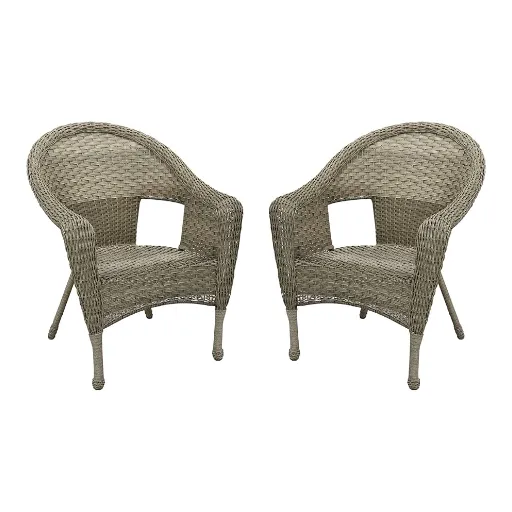
Comparing the Durability of Resin Wicker and Natural Wicker
Resin wicker is highly durable, weather-resistant, and low-maintenance, while natural wicker is less durable, prone to weather damage, and better suited for indoor use.
|
Aspect |
Resin Wicker |
Natural Wicker |
|---|---|---|
|
Durability |
High |
Low |
|
Weatherproof |
Yes |
No |
|
Maintenance |
Low |
High |
|
Material |
Synthetic |
Plant-based |
|
Use Case |
Outdoor |
Indoor |
Resistance to Weather and Elements
Looking at resin vs wicker in regard to weather durability, it is imperative to note that the composite material used in the two, resin and wicker is determined by the expected conditions and the longevity needed. Resin wicker or even synthetic wicker is itself made of High-density Polyethylene or HDPE, a fabric that is meant to be kept and used primarily in an open environment. This makes it thanks to its synthetic nature, very resilient to the effects of UV light, water, and temperature changes. It is difficult to bend, break or fade even to UV or heavy rain over long periods.
Meanwhile, natural wicker which is commonly made out of rattan, willow and other plant-based fibers, is not as hardy in the face of the adverse effects of nature. Because non-synthetic wicker is very hygroscopic, it must be treated well or covered with a special coating. Otherwise, it will absorb water and expand, it may crack, or mold and mildew will develop. Similarly, exposure to sunlight weakens the fibers of this material and causes fading. As a result, when used outdoors, it is not uncommon for raw natural wicker to need frequent treatment like coating and covering in wet and cold conditions in order to extend its life.
The application of these two materials more or less depends on how they stand up to weather conditions. In this context, resin multinodose furniture is more suitable than resin vs wicker for the construction of patios, balconies and gardens located in regions prone to extreme climate conditions or even any moisture, as it can withstand such conditions without much investment. The natural wicker only suffices in terms of interiors or sheltered and covered exteriors- but even then- it takes a lot of effort to keep the beauty and functional beauty that one desires in such suitable wickers.
Expected Lifespan of Each Material
The duration over which resin wicker hardware remains in use differs based on the quality and the environment where it is placed. Premium resin wicker particularly those made out of HDPE (High-Density Polyethylene) has been known to exceed even a decade or two if well taken care of, and if not left out retlessly in harsh weather. Some causes of its reduced life include excessive sun, poor cleaning practices, and scratches. Nevertheless, there have been developments in the formulations of UV preventatives and surface coatings in the past few years making resin versus wicker more durable and suitable for outdoor purposes.
Keeping in mind the aforementioned advantages, it is also true that in cases where the cage is a matter of practice, organic wicker cages last shorter than 5 to 10 years. It is true since all materials contain moisture, are likely to rot due to insects, and are not very resistant to use. With timely maintaining, which includes solely removal of dust, occasional cleaning, and varnishing, the problem is minimized to a certain degree. It is important to consider the fact that with exposure to the sun or rain, the natural wicker is more likely to break down, hence it can not be used out of doors without any barriers or shade.
Resin wicker is indeed a radical option in terms of outdoor furniture, whereas natural wicker is a simple yet exquisite option for interiors. Both of these aspects need to be considered by users, along with the ambience, to select the most suitable material for them.
Cost Considerations
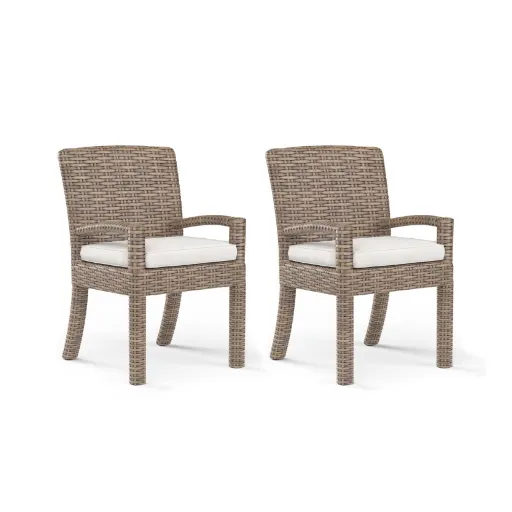
Initial Cost of Resin Wicker vs. Natural Wicker
Resin wicker is generally less expensive than natural wicker due to its synthetic material and mass production.
|
Aspect |
Resin Wicker |
Natural Wicker |
|---|---|---|
|
Initial Cost |
Lower |
Higher |
|
Material |
Synthetic |
Plant-based |
|
Durability |
High |
Moderate |
|
Use Case |
Outdoor |
Indoor |
|
Maintenance |
Low |
High |
Long-Term Value and Maintenance Costs
When considering fair trade off between resin vs wicker furniture in the long run, there are very several important issues such as the heightened/sustained intake, maintenance and costs associated with the life of a product. Resin is an engineered polymer such as polyethylene that is commonly used in furniture making and is intended to take a great deal of use in the open air and the elements. As a result, there is a very low cost in terms of maintenance, over a prolonged period of time. Periodical washing using soapy water helps keep the surface clean and intact and does not easily crack or wonk beyond repair.
Indeed synthetic wicker is made of polyethylene— which is a plastic like material — similar to weaving of natural wicker forms, which is always rattan made, bamboo or other natural product based. The weakness of the natural wicker ments the bigger labor need to preserve its function and beauty as it tends to wither over time depending on humidity and light. These changes end up destroying the material hence encouraging coating or finishing with protective varnish from time to time. Moreover, pest and fungus attack is a challenge brought on by traditional wicker making maintenance time consuming and costly.
When looking to buy any kind of furniture in terms of its efficiency in handling wear and tear, as well as in durability, resin wicker ranks exceedingly high. Thus, inside reasonable temperatures people adopt natural wicker due to its edemic style and almost do not entail any expensive maintenance. Ultimately, it is crucial to consider these aspects when choosing the right material that meets a user’s desired performance and cost effectiveness over a period of time.
Budget-Friendly Options in Wicker Furniture
The materials and craftsmanship are two important factors, which are considered when choosing an affordable, wicker furniture. For this reason, most synthetic plastic, HDPE wicker furniture tends to have an economic advantage for the simplicity of caring aspect, us. e exterior furniture outdoors as well durability and UV light damaging protection. In addition, manufactured as opposed to fabricated from natural substances, this type of wicker is generally less expensive though aesthetically unaltered. Accordingly, such type of value relation makes it cost effective for anyone who appreciates value for the money due to the durability aspect of synthetic wicker.
For natural wicker lovers on a budget, items made from rattan offer an affordable yet stylish solution. Since rattan is naturally thin, and it can be fashioned into different types of weaves. An example of such weaving is tamboo bamboo which is less costly and yet just as interesting. However, consumers should expect additional upkeep with natural wicker since it will need to be washed as well as given a coating to protect it and ensure its longevity.
Common retail stores can provide cheap versions of intended wicker furniture with good design issues. It is advisable for consumers to inspect the details of the product and prefer furniture that has stable metallic or wooden frames instead. When applicable, seasonal discounts or clearance sales should also be taken advantage of as much as possible in order to buy good quality wicker furniture which will provide value for money.
Maintenance Requirements
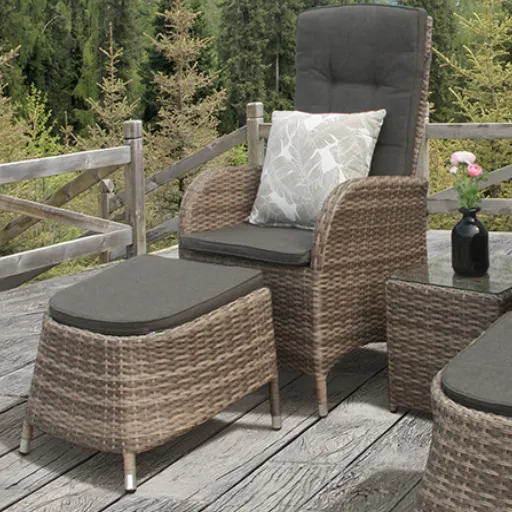
Cleaning and Care for Resin Wicker
Taking care of resin wicker furniture keeps it in good condition against outdoor effects most of the time it’s used. Synthetic wicker on the other hand, is Far resistant to water, sun rays, Inclement weather than the wicker made from natural material (resin vs wicker). It comes as no surprise that it would need a wash every once in a while and takes care of itself appropriately to avoid breakage or deterioration.
To properly clean resin wicker furniture at home, you should start by removing any soil or particles through the use of a hoover or a brush with soft bristles. If your intention is to carry out an intensive clean, one can always mix a little bit of liquid dishwashing soap with warm water. With a soft cloth or sponge, scour the surface gently, paying particular attention to the soiled dirt and the grime in the seams and joints. It is essential that harsh brushes and chemical cleaners are not used in cleaning as the resin vs wicker mix is likely to wear out. After cleaning, the furniture should be rinsed well, using a garden hose or a cloth immersed in water to get rid of any soap. This is to ensure that no water collects anywhere, as this is most likely to result in the growth of molds. The furniture should be left to dry out completely away from sunlight so as not to discolor the surfaces.
For the best care of furniture made of resin wicker, it is suggested that it should always be placed under protective covering or better still carried inside when weather conditions dictate otherwise. Periodic application of available UV sprays also reduces the fading of such furniture due to the piercing rays of the sun. Such practices can go a long way in helping manufacture the famous resin furniture that stays resilient to time and still looks great whether placed inside or outside any building.
Maintenance Tips for Natural Wicker
Rattan, reed or willow creeping furniture requires regular upkeep because it is made of natural materials, which is more fragile than synthetic alternatives. Cleaning the natural wicker furniture constitutes a crucial part of keeping it in good condition and in shape, as well as maintaining its looks. Spray the furniture weekly using a soft brush or vacuum cleaner with a brush extension in order to get rid of any dirt that settles in the woven pieces. When it is necessary to deep clean the furniture, a damp cloth with a mild detergent is recommended. But care should be taken to avoid over-saturation because it is not good for the material as it makes it too wet and the fibers will lose their strength because of such weakening.
The use of furniture-quality linseed oil or any other conditioner available for wicker will maintain and even save the natural wicker from getting cracks or dry cracks, this is mostly essential where the humidity is thin. In case it is positioned outside, it is advised to keep the furniture away from direct sun or rain, thus, consider placing it against a shade or roofing. If moisture is to be encountered consistent drying up will be necessary as direct access to moisture is limited to avoid growth of molds or mildew.
Suggestions for regular monitoring are also available as some yarns may get loose or some other parts may get damaged with time. Glue or Simple enough methods such as having professional assistance available in cases of loose torn or headstrands or other minor structures are encouraged in order to keep them from weaving thin. There is a proper maintenance system for natural wicker outdoor and indoor furniture to extend its useful life and keep it beautiful for a longer period, though there is a challenging issue resin vs wicker meeting.
Comparative Ease of Maintenance
While looking at how resin vs wicker furniture is maintained, there are substantial differences between natural wicker and resin. Natural wicker that is made of the natural materials rattan, bamboo, seagrass and the like, needs frequent attention over the time to support its structure. The reason for this is due to the fact that these materials are more porous and are therefore prone to cracks and warps as a result of excess exposure to heat, UV light, moisture and temperature changes. To maintain its form and looks, dusting or wiping with a brush or a cloth regularly and applying preservatives such as lacquer or varnish will be required.
Resin typically used in the making of synthetic wicker, that other words comes with polyethylene or PVC materials should be durable therefore resin vs wicker in most instances would perform better especially under open air. Such material is very flirt particularly not porous in structure, does not crack or bend readily even at extreme temperatures. Cleaning resin vs wicker, is hardly a challenge, especially as it can only be hosed down or wiped with a mild solution, and since this is the case, active families or businesses can easily use it instead. Further to that, in comparison, when it comes to manmade wicker the growth of the above organisms is not so easy as the pieces remain dry because there is no absorption property in such material.
In the long run, synthetic wicker is generally more preferable and most practical for areas with difficult weather conditions and/or excessive use. Those who consider the appearance superior, however, may recommend natural wicker as the better option because of its natural fibers and beautiful natural finish. The bottom line is that the cost of cleaning it or the availability to do so, is determined by the type and ease put forth by the apparent owner or owner who is concerned on caring for the resin vs wicker furniture and not the type.
Environmental Impact
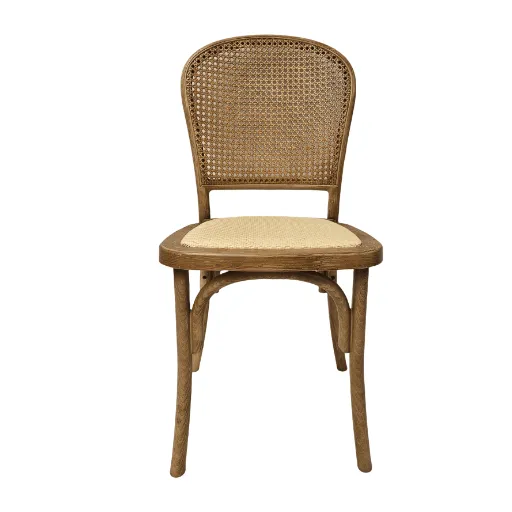
Sustainability of Natural Wicker
Wicker is derived from plants and includes rattan, bamboo, and seagrass as the primary constituents. It is biodegradable and also renewable hence creating a sustainable option to the nonbiodegradable synthetic furniture. Rattan which is also a natural material and heavily used in wicker furniture, is popularly available because it has the ability to grow effectively in tropical countries and with a sustainable harvest management plan, the plant can be cut down and regenerated. According to the studies on the environment, agriculture and forest researches, rattan is a plant that aids in conservation of species and biodive and provides financial benefit by enabling people to value forests instead of destroying them.
Despite these benefits, the capacity of resin vs wicker materials to provide the end customers with environmentally sustainable and natural solutions for the baskets and furniture remains a cause of concern in respective geographical locations. Harvesting certifications such as that promoted by the FSC assures consumers that rattan comes from a properly managed forest. Moreover, the adoption of natural wicker products is driven by adaptation to the local business and environmental conditions, thus underscoring the need for strategies and enforcement.
Besides this, as much as decomposability is an advantage of natural wicker, the disadvantage is that this property does not grant longevity as compared to synthetic alternatives prompting for more regular replacement in more demanding areas. Environmentally speaking, that hinges on one hand on lowering environmental impact and rues on the other, production whose all stages can be appropriately controlled.
Environmental Considerations for Synthetic Resin
Resin is commonly used in the solid form which is a synthetic material that is usually petrochemically made and that has its own merits and demerits with respect to the environmental impact necessitating real caution and evidence to support the construction. One of the most important disadvantages is that non-renewable fossil fuels are necessary for the production of synthetic resins releasing greenhouse gases that cause additional factors for climate change to set in. Also, more often than not, synthetic resin products are landfill dependent and persist for hundreds of years without being broken down resulting in waste that is quite easy to handle for hundreds of years.
On the other hand, synthetic resin shows significant advantages if examined through the lens of a life cycle analysis. Most of the materials and goods made of this resin vs wicker or any other natural materials would exhibit good properties of resistance against various environmental factors and do not wear away easily. Since they last long, this long life reduces the consumption back down because of other manufacturing activities. Furthermore, development of recycling technology has allowed the increase in salvaging and recycling of these products owing to resin material thereby reduction in the use of fresh raw materials which is responsible for the production of these synthetic materials.
In order to decrease its environmental damage, the sector is doubling its efforts toward new ideas including bio-sourced resins, and recycling materials using chemical techniques. Synthetic resins from renewable resources such as vegetable oils or starches function on diminishing green house effect gases and reliance on oil-based resources. In the same way, chemical recycling processes, such as depolymerization and pyrolysis, attempt to reverse the polymerization of synthetic resins to make the original monomers available to produce better recycling possibilities with a lower level of contamination and degradation of the material.
Still, the greatest promise of synthetic resins’ ecological efficiency lies in the application of more green production, better recycling capacities and promotion of eco-practices among customers. Clearly, this will require the efforts of all parties, industry, government and consumers alike.
Recycling and Disposal of Wicker Materials
Material waste management and disposal are two aspects of wicker objects that are beneficial and problematic. Wicker baskets and numerous other products built from this technique have changed immensely in the modern world. Previously, such items were made from raw materials such as rattan, willow, or bamboo, all of which break down naturally owing to the fact that the Nature accepts them for contributing to the formation of compost. These materials, if they do not come with any finishing which is not natural, can degrade very well and be included in useful waste chains. Most wicker products today, however, are made from non-biodegradable materials such as resin vs wicker. This is where the major challenge, however, exists, with recycling resin vs wicker.
Synthetic wicker more often than not falls within the classification of thermoplastics, which are commonly considered recyclable depending on the availability of recycling facilities. Labels or resin vs wicker many a time can be used to ascertain the recyclability of a particular resin string of wicker products. However, the presence of mixed materials as well as coatings on synthetic wicker articles turns them often into non-recyclable products or simply a material to be downcycled meaning that, it involves transformation into a lower end material rather than material design reuse.
Correct disposal is generally understood to begin with the separation of the organic from non-organic refuse at the source. Consumers are also present in the how, when, where and why as concerns to the disposal of the natural resin vs wicker materials than in the synthetic ones. For example, natural wicker has to be cleaned and all the synthetic components have to be removed before composting it, whereas artificial wickers are different and again, every region’s or country’s waste disposal methods have to be identified and followed. Developed chemical recycling technology, such as depolymerization has a chance of this repurposing in a finer way that reduces the inconvenience of the synthetic wicker amongst other ones and replacing them with reusable monomers. It is crucial to promote development in recycling the hybrid products as they reduce the need to use landfill sites.
References
-
Woven Furniture Design: In Search of Form and Texture
This academic paper discusses synthetic materials, including resin wicker furniture, and their structural properties. - Click here to read more.
Frequently Asked Questions (FAQ)
Q: Resin vs wicker is an common debate especially for people who have taste in outdoor furniture, how to differ them?
A: Resin vs Wicker differences are mainly with regard to the materials and weather resistance: Quite unlike traditional rattan, resin outdoor wicker furniture or plastic resin wicker is made of synthetic materials, plastic or heavy vinyl and resembles that artwork made of sticks of cane or reed. Synthetic resin furniture is not the same as natural rattan furniture n natural wicker is mostly designed for the outdoors while easy chairs and such tend to be molded indoors.
Q: Is there a similarity between resin wicker and typical plastic furnishings?
A: Resin wicker as well as plastic patio furniture have similarities but can be distinguished from each other in terms of their respective definitions: In case of resin wicker it alludes to molded plastic or hard plastic that is weaved to attain a structure that appears to be like clean or dry wicker, whereas plastic means simple sheets, pans, or laminated stationary patterned. Both these types of patio furniture can be used outdoor for patios and decks usages as both types are synthetic wicker, however more often than not, this kind of furniture is used since it does and does not look like natural wicker.
Q: What visual appeal and user experience does each provide- resin vs wicker and rattan?
A: As for the resin vs wicker extra’s aspect, it can be said that outstanding wicker-sex furniture does exist and that it is almost like natural wicker except for a few differences. However, natural rattan and natural wicker materials are different because they are rich in texture and feel in which synthetic ones try to copy. For instance: Wicker and rattan furniture are naturally looking much more than resin wicker which is quite consistent and resistant.
Q: Is it possible to have both wicker and resin outdoor furniture on an outdoor wicker patio?
A: Resin outdoor or all weather wicker furniture may be left on a wicker patio but all naturally made wicker and/or rattan furniture bear careful usage outdoors as they are not moisture or sun resistant. Furniture that is made of resin or synthetic woven resin is meant to be outdoor and will survive looking acceptable for some time without being subjected to adverse conditions.
Q: When should one think about switching from wicker to resin vs wicker or resin for outdoor?
A: Examine various types of resin wickers along with the furniture that is produced using high-density polyethylene (HDPE) or UV-stabilized resins as these two types of resin go towards outdoor wicker and inhibit it from fading as well as splitting. Some wicker is constructed from resins that have been modified and combined with vinyl (resin and vinyl) to make it more malleable. Buy outdoor wicker furniture made out of these raw materials will take more time before a replacement for the furniture on the terrace is necessary.
Q: What is the difference in care and lasting factors between the wicker of natural manner and the one which is the synthetic?
A: There is a variation in maintenance: case furniture from wicker is often manufactured from rattan, which means that it can need to be stored indoors, treated, or occasionally repair works may be required, in turn, natural wicker is as well prone to water and sunlight. It doesn’t take as much care to keep resin wicker clean – usually, a wash with soap and water will clean it out – and typically outdoor resin furniture is the most long-lasting of any outdoor furniture. However, taking up more time on the resin vs wicker furniture tends to happen less, hence the best option when it comes to placing furniture in your yard would be the synthetic resin wicker furniture.
Q: Do rattan wicker and resin materials have environmental benefits and usefulness or non benefits in terms of aesthetic use?
A: There is an environmental and functional difference between rattan wicker (rather rattan, bamboo rattan, etc.) which is considered to be sustainable if harvested tactically and has a nice every ten day make up but is not weather resistant for outdoors. Resin wicker is virtually maintenance free and very durable as it is made of plastic material where environmental detriment is considered. On the other hand, when it comes to the choice of Wicker and Rattan Furniture, the scope of aesthetic vs. natural wicker sets case with its interesting design sits in practicality of using synthetic resin wicker.
Q: In terms of cushions and the seating experience, would one say resin ez chairs are better than the natural wicker chairs?
A: Without a doubt, the two types of chairs made of resin and wicker with the use of cushions provide quite a substantial level of comfort. However, resin chairs are more often paired with outdoor cushions over a long period mainly because the chairs hardly deform or get altered by moisture. The natural wicker chair on the other hand has the age-old weave and possibility to ventilate. Since the material destroys rather quickly, it is anticipated that cushions will be highly recommended in order to preserve the weaving on the chair and allow to use the wicker chair for a much longer time.


