
How to Clean Wicker Furniture to Keep It Looking New

To maintain the aesthetic appeal and functionality of the wicker furniture, it is important to regularly clean and maintain it. This is because wherever they are positioned – inside or outside – the wickers are likely to withstand wear and tear; classic and timeless designs need proper upkeep to last. These entities may become dusty, grubby or even soggy, and all these will affect how each of them is appreciated and also their condition. Dust, dirt and even moisture when left unchecked causes wear and tear of the wicker furniture. This write up on how to clean wicker furniture helps you in understanding and using the best practices to keep your wicker neat and tidy at all times, so it always appears new as you like it. All that is required is a few guidelines and a little discipline, and you will retain the allure of your wicker furniture without any stress.
Understanding Wicker Furniture
What is Wicker Furniture?
Wicker furniture, the kind crafted and fitted using woven materials, is mainly associated with modern chairs, tables, and or any other household or patio decorative pieces. Wicker is a term that describes how a certain material is utilized to make something, rather than the material itself. Such furnitural works are being fashioned traditionally from rattan, wickers, or bamboo however, nowadays, depending on the climate and conditions, alternative materials notably resin are massively used owing to their better adaptability benefits.
Light and attractive, most nutra-wicker furniture is stained with patterns that are timeless and can well complement rustics interior easily. On the contrary, it is easily damaged by the natural factors of humidity and sunlight, which cause endless problems for not only interlaced products, but more importantly, the threads themselves. Contrary to natural wicker, synthetic wicker is optimized to look like the former but affords more protection against water and sun; hence, it is best used outdoors.
Wicker furniture is not just about what it’s made of, but also what it can look like. It enhances the interiors and exteriors of the house that ranges from classical to modern in the most elegant manner. When used in the right way, wicker furniture beautifies the space indoors or of the garden place for a long time without loosing its attraction.
Types of Wicker: Natural vs. Synthetic
Wicker furniture can be either made of natural or synthetic materials and every type of material has its own features enabling different specific uses and environments. For example, natural wicker is composed of fibers made from rattan, bamboo, and willow. Unlike synthetic wicker, natural wicker feels more natural due to its rustic feel and texture hence the appeal that comes with it. One of the downsides with natural wicker however is that it contains elements such as moisture, sunlight, and humidity better coupled with outdoor conditions making it suitable indoors or in environments with shelter from direct sunlight and moisture.
Cast out from extremes of heat and cold is synthetic wicker, which is polypropylene based on resins or plastic resins like polyethylene. It has been designed purposefully for the tough outdoor environment, mostly enhancing the stability in terms of resisting water and temperature, and also the sun. Synthetic wicker looks quite much like natural fibers but does not splinter or retain water, thus more manageable. Hence, it is highly recommended for outdoor wicker furniture, particularly in most cases those regions that have unfavorable seasons or weather.
When choosing between the two types of wicker, natural or manufactured, where you intend to use the product and how it will be maintained them is usually the decisive factor. In this regard, natural wicker is for people who want to use an environmentally friendly indoor decorations or any other form of decorating with organic knitting. On the other hand, synthetic wicker is for those who value durability, resistance and how to clean wicker furniture or weathered the most and in most cases, it is used in outdoor areas. All these types of materials, when used where appropriate, will certainly make both a decorative and functional piece of any decor.
Gathering Necessary Cleaning Supplies
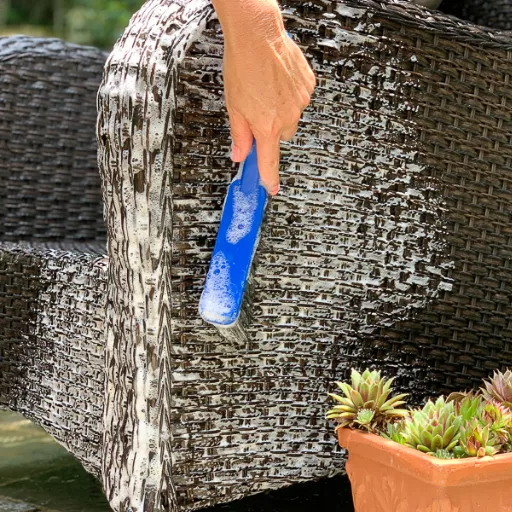
Essential Cleaning Tools
To better understand how to clean wicker furniture, the following is a list of all necessary items:
- Soft Bristle Brush – This is used to carefully remove the dust and dirt that has gathered over the patterns of the weave of the wicker without breaking the material.
- Brush-Attachment Vacuum Cleaner – Best suited for collecting dust and dirt in deep spaces that would otherwise be hard to reach.
- Mild Cleaning Detergent or Soap – Used for cleaning stains without eating up the color or shape of the natural or plastic wicker respectively.
- Microfibers – These are not meant to scratch or have any manner of material residue on a surface during cleaning thus serve the purpose of wiping.
- Can of Compressed Air – Used for cleaning areas that include narrow gaps where the brushes and cloths may not have access.
- A Bowl of Warm soapy water – For cleaning purposes so that will help with all sido stains.
- Rubber Gloves – Given some cleaning chemicals are utilized, it is important that one wears protective gloves when performing the process of cleaning.
With these essentials conduct a regular cleaning and extending the lifespan of your wicker furniture and its visual impact can be easily done.
Recommended Cleaning Solutions
- Mild Dish Soap and Warm Water Solution – This method is considered a very effective, commonly used, and very safe way of clearing the dirt from the surface of the wicker furniture where it cannot scratch the natural fibers. For making it, one needs mild dishwashing soap diluted in warm water.
- Diluted Vinegar and Water Solution – Equal mixtures of vinegar and water form s simple yet workable solution on how to clean wicker furniture that has mildew inside or outside. There is nothing harmful in this tensile and biodegradation-resistant spray that is extra suitable for cleanwicker furniture.
- Baking soda thick solution – Apply the paste water mixed with a bit of baking soda to the tough stains. Use a two soft brush or two sponges, rub it with them to the place affected, and leave this for several minutes, after which, use a wet piece of cloth to wipe.
- Wicker Furniture Cleaning Products – Most furniture and home improvement stores have several products used for cleaning wicker furniture. This is especially so for household furniture that is so dirty or made using designs that are more abrupt since those come with a warning for cleaning or teatime purposes.
- Rubbing Alcohol – Very effective for cleaning non-water based devices. Is an especially good solvent for cleaning printed pages as it dissolves most of the inks. Be careful not to overdo the alcohol, as it tends to dry up the natural fibers of the wicker.
Every cleaning solution where virtually any detergent is appropriate does not ensure, how to clean wicker furniture; always try cleaning on a small area hidden by the furniture first so as not to cause spots or other problems. In order to maintain the appearance of the furniture, proper and necessary cleaning in conjunction with the appropriate solution, however, will still be required.
Protective Gear for Cleaning
When carrying out any chemical-related cleaning, personal protective equipment is very necessary as it shields against different risks. The type of equipment used must be in line with the chemical type and strength that is being used for cleaning. The basic use of protective equipment includes the use of rubber gloves in order to avoid skin contact with the corrosive or irritating ingredients of the cleaning agents. Such gloves, especially those which are heavily lined and nitrile or neoprene, are designed for use in cases where powerful solvents or bleaches are used in order to reduce the risk of scalds or allergies.
One of the most essential parts of safety gear is eye protection, especially when it comes to working with splashing liquids or fuming chemicals. Without the safety goggles or shields in place, the eyes may get exposed to these splattering chemicals leading to mild irritation and in certain extreme cases chemical burns or other damage. Such hazardous cleaning activities which create dust as well as vaporizing residues such as ammonia based sprays would necessitate some form of protection in the form of N95 masks or respirators with fitted filters for the user. This will prevent unnecessary exposure of toxic gases to the lungs and other internal organs thanks to breathing intact air only.
It would equally be a practical idea to put on a substantial apron or even overalls during a cleaning process involving a lot of working. These types of clothes are worn over clothes to protect waiting dresses and the skin from contact with any liquids that are a threat. In places like industries or hospital facilities, where such shoe covers are used due to a high level of contamination control – even expecting such shoe covers may be a good way to lower hazards. The application of proper protective clothing is not only to enhance the health of people but also to prevent the breach of rules, which promotes useful safe cleaning practices.
Step-by-Step Instructions for Cleaning Wicker Furniture
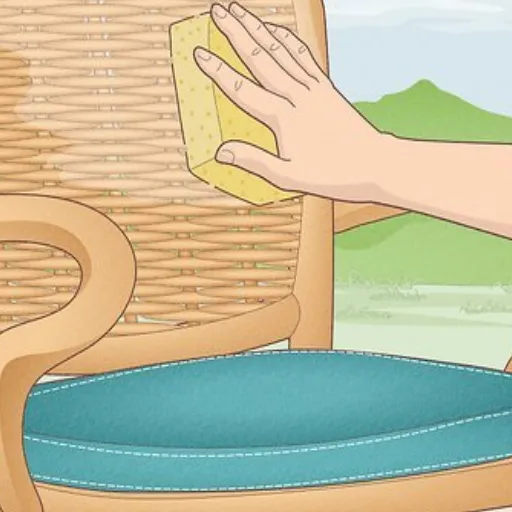
Regular Maintenance Cleaning
It is essential to note the effectiveness of cleaning methods in accordance with the wetness of wicker goods, this can only be done by hair careful. It is advisable to first dist buff all loose bits and dusty dirt ietces with the help of a soft brush or barber-printing and cleaning-widget. This will ensure that there are no particles embedded in the filaments as such cause wear on the surface of an element over time. Any dry-enhanced places can have air removal tools or feather removal tools as per suitability for initial clean-up processes.
The surface needs to be wiped clean of loose soil before applying a cleaning agent. So one may dissolve some household washing up liquid into warm water and forms the cleaning solution. Use the other prepared solution to gently wipe the furniture even though the cloth is going with Mexico. The furniture shall be wiped bowing down gently to prevent the wetting of the most of the wicker fiber, since that water destroys the natural fibers and causes the wicker furniture to develop mildew. The cloth should be rinsed out quite often so that dirty water is not carried back to the surface, and the furniture should be dried with a dry re-usable towel so as to completely dry up any wetness.
Lastly, you may want to use a furniture polish or spray to clean the pieces for added protection against hardening and discoloration due to sunlight. This would be helpful when dealing with exterior wicker furniture and should be done every couple of weeks or every three weeks depending on the conditions to avoid the extra and cumbersome cleaning of dirt, which will include pollen, dirty among other things. With precautionary measures like these in place, not only are in aiding longevity and the flavor of the work but it avoids the construction and the decay.
Deep Cleaning Procedures for Natural Wicker
One must be careful how to clean wicker furniture that is made of natural materials in order to avoid damaging such furniture due to the very nature of the furniture itself. First, a soft brush is tractioned or a nozzle with an appropriate attachment that they vacuum is attached and used to dislodge any stubborn dirt or dust usually on the surface. This is essential so as to avoid bits lodging in the weaves of the wicker. Even after this layer of dirt has been removed, one has to make a warm soap water with little liquid soap added inside. Such things which would weaken the fibers with time should not be used. With the help of microfiber towel or sponge, slightly moist through the surface complete little areas at a time without any risks of excess wetness within the object.
For heavier soiling or stains that have built-up, a more focused fashion may need to be considered. The soft bristle toothbrush also helps to access and clean any tight spots and hidden spaces and eliminates the dirt in an embedded form without chewing the fibers. For stubborn areas, a weak vinegar solution can be useful as vinegar’s acidity challenges the clingy build-up. It is important to rinse the wicker thoroughly after cleaning with a clean damp cloth which is soaked in whiter’s water only. Make it a point to remove all traces of soap or vinegar in order to avoid change in color and structural damage.
After you have finished cleaning, put the furniture in the shade with fresh air to dry it, but do not use cleaning agents designed to kill germs on specific surface areas directly in the sun as it may lead to deformation or change in color of the wicker. Alternatively, in order to protect from harm or minimize absorption of water, you can try coating furniture-quality linseed oil or clean finish designed for use on naked wicker surfaces. Such deep cleanings that take place perhaps once every quarter or besides when important, except for the preventive care, extend the life of attractively weaved natural wicker furniture in climates where the humidity and temperature are not constant.
Deep Cleaning Procedures for Resin Wicker Furniture
Resin wicker furniture, notwithstanding its durability against weather conditions requires maintenance so as to retain its structure and appeal. First, remove all dirt and dust using a brush and vacuum cleaner with a brush head or simply a soft bristle brush. Doing this will help prevent resin being scratched by any dirt that is lodged in the cracks on the furniture.
Add a few drops of a non-abrasive dish washing liquid into a gallon of warm water. In order to avoid any damage to the resin, it is important to do this alone, without the use of any hard chemicals or scrubbing agents. Softly squeeze a sponge or a microfiber cloth and clean the surface; do not forget the edges and inner designs as the dirt usually lodges in these areas. A soft-bristled toothbrush may be used to reach places or dirt that is very hard to reach or clean up without the risk of scratching the material.
Wash the furniture thoroughly with clean water, preferably by a garden hose with a moderate-pressure to avoid destruction of the woven structure. Place the furniture in a well-ventilated area away from the sun, so as not to allow any sagging or fading that occurs to materials that are left in intense sun for a long time. If some of the pieces are in very bad shape and have stubborn dirt or stains, a special resin cleaner might be advisable.
Proceeding with care in this regard, periodic as well as everyday maintenance of resin wicker can serve to preserve its value and beauty over a number of years, even in, how shall we say, very adverse conditions.
Addressing Mold and Mildew on Wicker Furniture
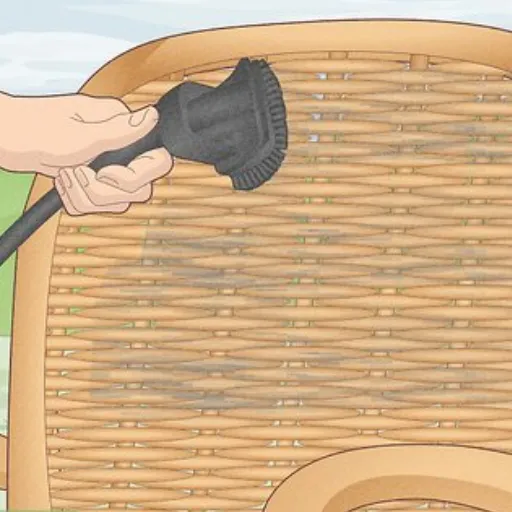
Identifying Mold and Mildew Issues
Mold and mildew are two common issues that can affect wicker furniture with high humidity or airless conditions. Funguses are able to live in moist environments and fruiting on organic materials, and this can be dirt or any other matter that has been left to gather dust within the woven parts of the furniture. These are usually dark and unappealing, either dark green, black or at times gray in case of mold; had the problem been mildew, it would have surely been a light gray or white dust. Both if will not be treated can cause damage to the furniture firmness and healthy problems with allergens or irritants diffused in the air space.
Examine the piece of furniture with a keen eye and check if there is any presence of mold or mildew, most especially to understand the joints and the bases of the furniture where water is likely to gather and drip down. Another sign of fungal infestation is when the furniture begins to smell bad or mouldy. Any items of furniture assumed to be existing in areas where light can’t penetrate also use a torch to sweep those corners. Whenever you keep furniture outside, or even if it is placed close to a wall, be keen to check areas covered well against direct exposure to the sun, for they are the regions that would promote the accumulation of water.
Taking care of any mold and mildew formation as soon as possible comes in handy to avoid destruction of the furniture; it also contributes towards restoring the glamour of the pieces if any damage had occurred. Always move the furniture outdoors which makes it easier and safer to perform a restorative treatment without risking inhalation of any fungi indoors. Upon locating the contaminated areas, wash out the furniture using water and either white vinegar, or as in most cases where the detergents are formulated to remove mold, a transportation friendly detergent can also be used. It is also suggested to use these mold cleaning products because they also get rid of the fungus without harming the resin itself in any way. Do not forget to use gloves and even a mask, if required to prevent inhalation of such spore emissions during cleaning activities.
Effective Removal Techniques
When treating mold, do not use unproven methods. Instead, scientists recommend methods based on recent developments. One of the proven methods boils down to using hydrogen peroxide, about 3% solution, because it is an antifungal agent and a bactericidal. First, hydrogen peroxide is poured on the area, left for roughly ten minutes to work on the mold and then wiped with a delicate brush to avoid the deforming the surface. After this, use a wet clean cloth to remove any left residues from the surface.
Moreover, making use of elements like the HEPA augurs well for meticulous removal of mold especially when it comes to the fine powders aspect. This is because the HEPA, by its design, has the capacity to contain any particles of dust, dirt, and even mold spores, preventing them from floating in the atmosphere again, after cleaning has been done. The practice of applying chemicals along with mechanical procedures for instance wet-vacuuming helps in the extermination of molds.
It is important also to note that in order to avoid the crisis, there is need to make the surroundings not conducive for the growth of molds. For instance, it entails keeping the humidity levels in the interiors of a building under 50%, enough air circulation, and carrying out water repairs as soon as leakages are noted. There are more innovative ways of managing and controlling these conditions today – smart dehumidifiers and air cleaning devices with in-build monitoring capability.
Prevention Tips for Outdoor Wicker Furniture
Wicker outdoor furniture despite being beautiful and functional needs proper maintenance regimen for it to last long. Part of maintenance routine involves applying a good quality UV protection sealant. The purpose of this is to prevent the fibers from turning when exposed to the sun. The sun’s favorable rays can damage in more ways than one leading to breakage of the material as well. Time in between should also be taken in to consideration by manufacturers and that is why most will caution their clients to apply the seal every six months to offer optimum levels of protection in areas that have high service intensity from the sun such as Africa and or harsh environmental hazards.
One of the important factors in protecting outdoor wicker furniture from damage is reducing its exposure to water. Synthetic resin wicker often comes with the promise of being waterproof and weather resistant; however, exposure to water for a long time can cause damage as well, especially the natural varieties and less processed wicker. On that note, it is advisable that the furniture gets covered up as much as it is out of use with waterproof covering or during heavy rains if such furniture came with a porch or garage then the furniture needs to be moved to such storage covered the shelf. It will also be important to raise the furniture off the moist soil to protect the groundwork or the legs from absorbing moisture and growing mold in the surfaces.
You have to clean your furniture because if you do not, it starts getting rough and weakens with time. Because of all of these, the furniture traps dust, dirt, and even bacteriaes in its small openings, hence triggering the application of mold and mildew growth. On the other hand, if it comes to clearly cleaning, the proper process would include the use of a soft brush or a portable hoover to clear the surface of the structure and that would be sufficient to wipe out the furniture with water and some light washing liquid. In other words, when the pieces are cleaned up, dry them out thoroughly before putting away or using again, largely to prevent cases where moisture causes damage. When such tactics are put together, the use of the said wicker furniture lasts for a long time and its aesthetic appearance is preserved.
Tips for Ongoing Maintenance and Protection
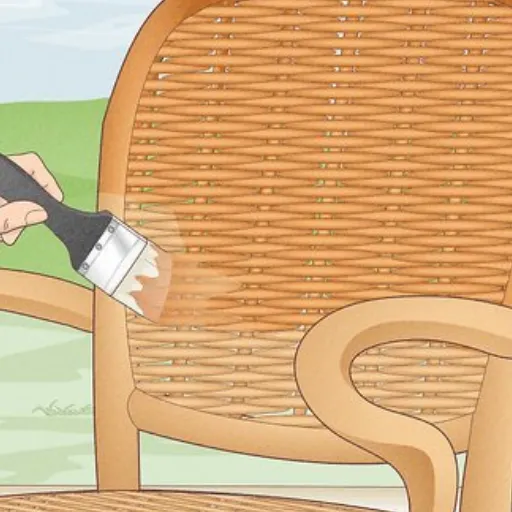
How to Care for Wicker Patio Furniture
When it comes to looking after the wicker material of outdoor furniture, I aim at cleaning them regularly so as for me to enhance the durability of the furniture since dirt and dust contributes in destroying such elements in the long run. Initially, some soft brush or vacuum cleaner with a brush is used to sweep away all loose dirt or dust particles present on the surface of the furniture. Next, for the purpose of removing stubborn dirt, a diluted detergent and warm water are mixed in a solution. A wipe or a sponge (soft) is then dipped in this solution and the furniture is wiped down. There is careful effort in this cleaning so that the water saturation levels that the furniture is exposed to does not exceed certain limits. This is because of the likelihood of the surfaces warping or the material disintegrating, if that happens.
Another form of preventive care I incorporate apart from not causing water exposure very often is making sure the furniture is correctly drid up before using it or even storing it. Placing it in the shade where it gets enough fresh air to dry reduces the chances of developing moisture problems. However, I do add a thin layer of furniture wax or a special coating meant for wicker furniture. It also works to reinforce its protection against such external factors as rain, sun and humidity, keeping it in good shape all year round.
I do the same thing only pin the excessive pressure that can contribute to the aging of wicker furniture. I do this mostly in adverse weather conditions or when the furniture will not be in use for quite a while. Moreover, whenever it is possible, I take out the furniture at some covered place or take it inside the house. Such activities are commenced with an aim not only to maintain the strength of the wicker rather to add value to the years of life of the fabricated product while preserving its beauty. When these methods are followed thoroughly, the wicker patio furniture helps in saving time and doesn’t need to be replaced every season.
Preserving Antique Wicker Furniture
Wicker is constructed in a unique manner as compared to most other units, and therefore must be handled with extra caution. Different materials such as rattan or reed are very susceptible to changes in temperature and levels of humidity because wicker is made from these materials. Over long periods of time, these changes in temperature and levels of humidity will cause the wicker to distort, crack or even become brittle. This is within the household and as a result, the relative humidity should be controlled and should range from 40-60%. The use of dehumidifying devices may be required for dry conditions or humidity enhancing devices may be necessary for cases dealing with very low temperatures.
Dust, for instance, is very harmful to wicker and one of the easiest ways to combat this is through regular cleaning. This can be done by brushing with a soft-bristle brush or a vacuum cleaner equipped with a soft brush, which will not disturb the material. If there is a need for a more thorough clean, then one can use a damp cloth with a small amount of soapy water, but the wicker must be left to dry completely since the water may cause molds.
In addition, it is important to check on any possible disfiguration or damage from time to time, such as loose weaving or splinters. It is recommended that simple touch-ups such as gluing should be done at the earliest instance of damage to the furniture or else the piece may need to be out of commission or professionally restored. Of course, coating some bees wax or any other specific wicker furniture sealing coat would provide minimal protection from scratches and weathering as well.
Protecting Wicker from the Elements
When wicker furniture exposed to the climate, sudden and untimely damage can occur. In all likelihood, the tissue will be affected by rain, sun and temperature change, and will become brittle and discolored, and will undergo structural damage. To prevent such damage, you can place the furniture under shade or cover, where it is away from UV rays and moisture. It is recommended to have the furniture under a cover, a roof, or a canopy in order to keep it away from the ground. There are additional practices that may be done to protect the sun-sensitive surfaces in such a case. They include the use of sprays intended for natural fiber and specially fortified with UV filters.
Rain is yet another challenge as humidity “cancels” dry surfaces, leading consequently to the creation of mold and mildew growth. Conditions are likely to encourage the formation of mold if regular cleaning with a soft brush and mild soap is not performed as such accumulated dirt is never beneficial. Such practices also ensure that the surface of the wicker is free from moisture which otherwise remains and weakens its strength after cleaning or when stuck in moisture. Use breathing, water-proof covers for furniture whenever it is still, kept intact in extreme weather conditions or out of season.
Through the approach previously mentioned, and in combination with regular operation, one is able to prolong the lifespan of his or her wicker furniture and keep its form and quality against environmental damage.
References
-
Maintenance of Outdoor Furniture – Iowa State University Extension
This guide provides detailed steps for cleaning and maintaining outdoor furniture, including wicker. -
Furniture: Renovation, Repair, Refinish – South Dakota State University
A comprehensive document on cleaning and caring for wicker, reed, and cane furniture. - Click here to read more.
Frequently Asked Questions (FAQ)
Q: What are some suggestions for getting rid of dust and refurbishing dirty wicker furniture?
A: In the beginning, one’s task is to run a vacuum cleaner with a brush extension or apply a soft brush to one’s outdoor wicker furniture, as well as any accompanying cushions, in order to vacuum up the remaining bits of dirt. In the case of a natural one, mild soap and water is applied, or a soft brush or cloth is dipped into the preparation and rubbed gently over the weave. If the outdoor furniture is made of wicker, light watering of its surface is conducted – please remember to allow the furniture to dry thoroughly after getting wet in the sun, otherwise it will lose its shape and your furniture will be damaged.
Q: How do I take care of resin wicker for the patio? Is it milder than cleaning natural patterns?
A: Unlike regular thin wicker furniture, resin wicker can withstand bad weather and doesn’t get stained easily. You don’t need much more than water and soap to wash resin wicker furniture, just clean it with a soft brush and spray it with a hose; and allow the piece of woven plastic to air dry. Avoid damaging cleaning products; even if resin wicker patio chairs and tables are more resistant to outdoor conditions, it doesn’t mean you can leave wicker furniture uncovered during periods when it is not being used. It’s good, therefore, to cover the furniture in order to avoid discoloring and getting furniture wet from rain or sunshine for too long.
Q: Can a pressure washer or a high pressured sprayer be used to clean outdoor wicker furniture?
A: Natural wicker must not be treated with high-powered washers. These will destroy the fabric. The best way to clean outdoor furniture, whether rattan or aged out wicker, is to spray it lightly with a hose and then scrub it with a soft brush. Iron the furniture carefully to wash the soap off all the spongy fabric and let your furniture dry completely – absolutely any pieces of the furniture whether folding sheets, chairs or tables, must be ready for use when you save them – to avoid running and major damage to the wicker due to excessive use.
Q: Could you advise on the very best ways of how to clean wicker furniture cushions and fabric?
A: Take the cushions out of any and follow their instructions. Use a damp cloth with gentle cleaner. Point out that this was her suggestion. Otherwise, oting hand-washable covers or report them to the laundromat. Don’t put the cushions back until they are completely dry as that will prevent mildew from appearing. It is also good to get furniture covers and store the cushions when they are not in use as this adds to the durability of the outdoor set and the furniture does not appear worn out.
Q: What would you recommend to do so as to protect and prevent wear and tear on the interior wickers?
A: For the maintenance of the indoor wickers, use a soft brush to dust them occasionally and when you must clean them, use a slightly wet cloth. Do not saturate indoor wicker furniture; instead, let it dry in a well-ventilated space after cleaning. Indoor wooden and metal pieces should not be placed in places close to the window or direct sunlight exposure in order to preserve the wicker for a longer time and improve the durability of the furniture.
Q: “Are there any loose strands or slight breaks in the wicker of the personalized item, and if so, how can they be kept full from worsening?”
A: Cut away any frayed edges, then if it is a natural wicker or wooden-based item, use wood glue to firm loose ends. For rasher repairs, new cabling should be worked in or one has to take the work to the specialist. After restoration, remove any dirt from the wicker and let the furniture dry thoroughly before starting to use it. Frequent upkeep will prevent deterioration of the pieces and protect the wicker decorative elements.
Q: What is the frequency of cleaning and the maintenance of the wicker furniture expected to keep it in functional form?
A: Clean outdoor and interior wicker at least once a year, and in outdoor areas used intensively, or during pollen seasons more frequently. A light brush vacuuming on a weekly basis and occasional soaping and washing for degraded areas should be enough for protecting and conserving wicker furniture. Cover outdoor furniture with protective covers when not in use and put away sections of some furniture when sweltering weather is avoided.
Q: Are there any distinctions in how to clean wicker furniture, rattan, or any other types of wicker furnishings depending upon the types of materials used in their construction?
A: Yes, I can. The strength of rattan and wicker (which is woven from other natural materials, such as willows) varies. Plastic and natural rattan and wicker furniture have very distinct cleaning methods. Natural ones do not tolerate being submerged in water, do not use soap often, if at all; all these features do not apply to artificial and resin wicker. Before cleaning any furniture made of wicker, it is helpful to and strictly follow the care instructions that will not affect varnish or any other protective coating.
Q: How do I ensure that I finish the wicker before storing it away to prevent the rain or sun from damaging it?
A: First, clean the wicker. Go through any dirt present with a soft brush, need any mild soap and water, if needs be, rinse and dry thoroughly. Add covers on all furniture, especially those that are immediately exposed to rain and keep. And of course, store any furniture with covers out together or in a cart out allthe time. All furniture has to be stored in this way and any outdoor furniture, furniture covers have to be used for wicker furniture in good condition for seasons spent outdoor later on.


