
The Complete Guide to Importing Willow Baskets from China
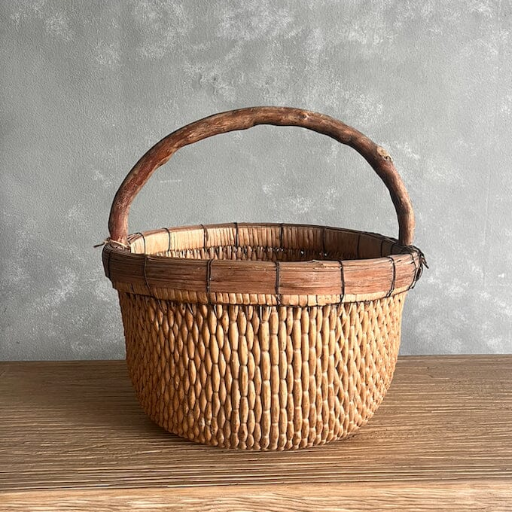
Importing willow baskets from China may sound rewarding but it involves much work in research, organization skills and the knowledge of customs laws and finding products that meet your standards. This guide is designed to give you clear steps on importing willow baskets irrespective of the importer being well advanced or new in the area. From finding a good supplier and their shipping practices to interacting with import tariffs on willow baskets and maintaining the quality of your goods, this article will offer you information that will guide you when making descriptions. You will learn the basic and fundamental steps that should be in place at the heart of the procedures in the end of the text to effect the setup of the system and enhance the market penetration of the sector.
Understanding Willow Baskets
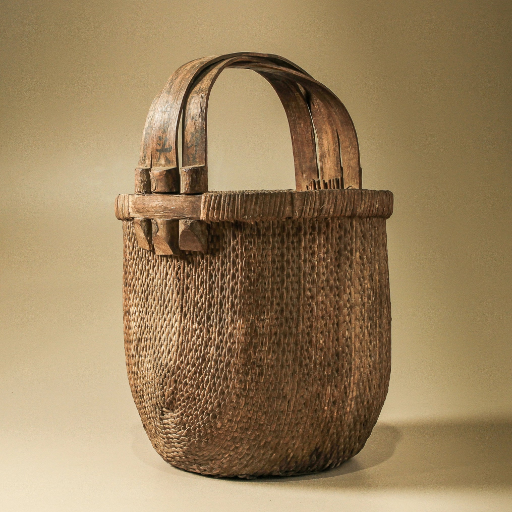
Baskets, which are generally termed as willow ware, make use of the willow tree limbs, which are customary for their strength, malleability, and lightweight. Therefore, these items are usually made as decoration to enhance the interior or exterior of an indoor place while also serving as practical objects. Consequently, willow is the perfect kind of wood when it comes to creating fabrics because the wood is so well contoured that each line of it is neat and can thus be used to make almost any design. This utility of the baskets such an activity, however. These baskets are used for a number of extremely practical purposes, such as carrying items, holding things temporarily, or even for looking nice, being a type of basketware. In addition to that, its stress relief abilities of warping mean any shape given to the basket remains intact even after weekly use.
What are Willow Baskets?
Willow baskets are items that are usually made from willow selections or twigs. While they are easy to form due to their bendiness, they are very reliable, and they are also very nice to look at. Through the ages, they have held an important place in different societies for their workability and for being environmentally friendly. It is the branches of the willow that are quite often cut as willows are capable of easy bending and are very fast growing, such willow variations include the Salix viminalis. Braiding is an art and it requires a lot of patience and attention as the twigs are crisscrossed and interwoven by hand very carefully and skillfully forming intricate designs that are also possible to make tight and sturdy.
Willow baskets today are no longer limited to their traditional use since they can be used to carry things or keep things but they are eco-friendly as well in today’s modern markets. As customers become more conscious about the products they purchase, willow baskets have been made as substitutes to the simply non-biodegradable plastic bins among other items that contribute to the contemporary lived environment. Further, they are commonly employed for home use as well as for gardening and retail works where they are integrated with style and functionality.
Types of Willow Baskets
| Type | Key Features | Typical Uses |
|---|---|---|
| Picnic Baskets | Lidded, durable, spacious | Outdoor meals, picnics |
| Storage Baskets | Open-top, stackable, sturdy | Organizing home items |
| Laundry Baskets | Ventilated, lightweight | Storing or carrying laundry |
| Gift Baskets | Decorative, customizable | Packaging presents or goods |
| Plant Baskets | Water-resistant, lined | Indoor plant holders |
| Shopping Baskets | Handheld, robust handles | Grocery or market shopping |
| Decorative Baskets | Intricate design, ornate | Home decor |
| Fruit Baskets | Breathable, compact | Storing or displaying fruits |
| Log Baskets | Heavy-duty, reinforced base | Holding firewood or logs |
| Bicycle Baskets | Attachable, lightweight | Carrying small items on bikes |
Uses of Willow Baskets in Global Markets
The use of willow baskets all over the globe is incredibly versatile, and often customised to the unique requirements and likings of the target population. In the regions of Europe, which are especially sensitive to the issues of environment and handcraft, riddle baskets are often used for the purpose of decorating eco-friendly packaging and interior items. Countries such as France and Italy make it possible to include these baskets in the selection of products like wine sets or gourmet gift baskets.
In the same breath, in the USA willow baskets have become most common in the farming and farmers’ markets fields. Their uptake is mainly in agriculture and farmers’ markets in the using of organic produce as they store it and air still circulates due to their breathable nature. Furthermore, modern willow baskets have restyling into contemporary design and are mainly marketed as solutions for intentional aesthetics and integrated space design.
In East and Southeast Asia, compact willow baskets find preference in municipal landscapes of constricted and rapid construction areas. It is said that such baskets can also be used for purposes of arrangement or even for beautifying and decorating centerpieces used in occasions such as marriages and those of particular seasons. Overall, even these bags are in good demand. There are even eco-friendly customers looking to purchase more willow baskets as opposed to materials of oil production.
Lastly, in those parts of the world, Asia and South America, woven willow baskets contribute so much in the lives of the local people. Such items are made for sale in the fair trade world markets where they are bought by many customers interested in ensuring sustained livelihoods. In that way, the baskets are practical, having good cultural retention and, hopefully, beauty.
Researching Suppliers for Willow Baskets
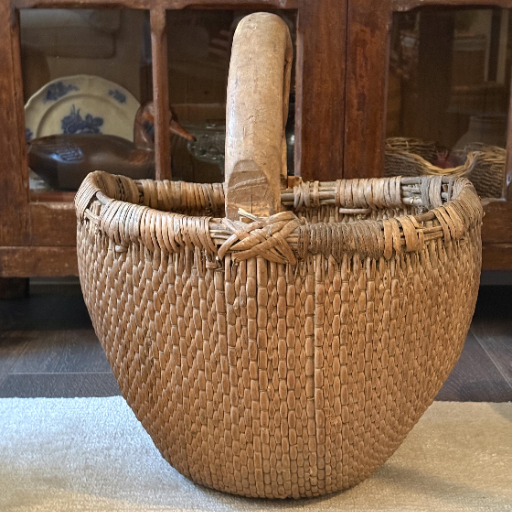
When researching suppliers for willow baskets, concentrate on the following points under the appraisal list for assessing quality of service:
- Material Sourcing
Make sure the provider is sourcing high-quality supplies, especially willow (preferably from reputable farms that harvest it), in line with eco-friendly production principles. - Manufacturing Processes
Verify the provider’s craftsmanship by asking for product samples, detailed case studies, and design parameters, cultural values, and measures that have been achieved in order to prove such cultural authenticity. - Certifications
Try also to see if there are potential manufacturers who are certified in terms of observing fair trade principles, protecting the environment, and addressing other ethical considerations, since such manufacturers have practices that are more acceptable. - Minimum Order Quantities (MOQs) and Scalability
Make sure that you take note if the supplier can comply with your required volumes even for minor orders or large productions without agreeing to their requirements. - Shipping and Logistics
Look at how the materials are shipped, what time is the specified number of days for the delivery, and in what formats and under what circumstances the goods are packed to ensure that the said items will arrive in time and in a good state suitable for display or use by your customers. - Reputation and Reviews
Pay attention to Websites where product end users post reviews or leave comments about the service provided, the reliability of the seller, and the seller’s ability to consistently meet delivery times and maintain quality.
You may efficiently make up your mind about suppliers with good reliability who also match your business strategy by adhering to these terms.
Finding Reliable Suppliers
One would know that the suppliers can be trusted when they can aggregate as much information as possible to that which is reliable. This may consist of industry data reviews, trade flow analysis and the review of supplier accreditation or compliance detailing. Furthermore, evaluation of the supplier’s performance can give an express appreciation of their ability to render delivered services. It is important to evaluate the performance by the help of such indicators as rates of timely delivery, a number of complaints received, and other bonus scores for including customer satisfaction. Fortunately, the evaluation of these indicators by several potential suppliers is neutral; in addition, financial estimates provided would be more realistic and beneficial within the given circumstances. Businesses, in using these factors in operating margins, can assess suppliers’ performance over time and mitigate associated risks.
Evaluating Supplier Credentials
Background checks on a supplier are important, as they provide a basis for determining whether they meet specific industry standards and comply with certain requirements. There are some notable certifications granted to companies on this end, such as ISO 9001 for quality management and ISO 14001 for environmental management, which guide companies in following procedures and processes and demonstrate a commitment to improvement.
Equally, anti-discrimination laws, environmental concerns, and product safety among many others are required for a supplier’s self-regulation. Satisfying the latest versions of all quality management system standards, compliance records as well as compliance reports when compared, help in confirming or denying the statements. Preservation of this stringency is beneficial because it can help manage the activities in the supply chain, reducing elements of risk in the present and during the time when the changes are likely to help the operations of the company thrive.
Understanding Import Data and Trade Records
Information on business operation and concerning exports and imports is invaluable in the creation of market strategies, evaluation of the progress, detection of emerging market trends such as operational shifts in the supply chain. In the course of such an analysis, there is a need to tend to product volumes in importation, the evidence of which or proof thereof, and the need to treat it for each consideration of every product as well as the corresponding origin and destination.
Conventional models incorporating the information from these sources are much more useful for understanding the current state of international trade and the reasons persuading the rather arbitrary-looking suppressions of the individual groups. And this analysis style helps the company in its strategy building, in its beneficial incumbent supplier identification and also in knowing how to conform to the current international trade pragmatics and avoid sanctions.
Quality Standards for Willow Baskets
Willow baskets should be standardized to the required expectations of integrity, robustness and appearance. The concerns below are:
- Material Integrity: The raw material used must be a willow that is pliable, is uniform in texture and does not have splits – this is because to maintain both the functional and visual continuity.
- Weaving Technique: It must be meticulously done to the extent that there is no slackening of strands or spaces where the inserted strands are not in line with each other.
- Load Capacity: The ability of the basket to take up the assumed weight for uses it is suitable for should be tested, and there should be neither distortion nor any other kind of damage under the rated weight.
- Finish: The Primer/overcoat on the exterior should be smooth, and without any rough edges /splinters. In case giving such coats is not possible, the furniture might have to be coated.
- Compliance Standards: Such will include confirmed products with each and every requisite precautionary measure, such as safety and concern for the environment, like the use of safe coatings and the sourcing of non-toxic grades of raw materials.
These norms ensure the production of willow baskets of acceptable quality that meet market demand and legal requirements.
Identifying Quality Indicators
The review of the random baskets will focus on a number of critical criteria that will ensure that the baskets are durable and able to serve their purpose. To start with, evenness with respect to the color of the material is quite important, not leaving behind the material thickness; the two should be consistent and reasonably even, signifying proper farming and fattening techniques. Moreover, the baskets need to be able to house items without collapsing, and as a consequence, the weave tightness plays an essential role in the maintenance of the structural integrity of the artifact and the physical form of the enclosed objects.
One more significant note – is the volume measurement; high-grade baskets are always distinguished by the uniform capacity of each one of them hence relieving the load on particular regions. Moreover, the extent of moisture in the willow tree is crucial as the basket is more likely to wear out when very wet or too dry raw materials are used. Recommended values for the water content lie within a range of between 8% to 12% so as to avoid possible tearing or cracking of the basket when subjected to pressure. Last but not least, another very important thing to be taken into account in a willow basket is the perfection of the working skills as these are the main factors in a willow basket which differentiate true craft from industry. In this scope, these three considerations set down the standard for high quality of a basket.
Ensuring Compliance with Import Regulations
Compliance with import regulations requires companies to be aware of modifications in the field of international trade regulations and customs, as well as changes of the applicable tariffs. This is required to follow the amendments to the Harmonized systems and the management of regional trade agreements which have a direct effect on the classification and valuation of goods. With the help of contemporary instruments like trade compliance software or public authorities run tariff information systems, it is possible to know immediately the latest duty and trade measures. It is also necessary to keep correct records, especially involving a comprehensive invoice and bill of lading, as this would facilitate customs duties reception and limit chances of fines. It permits that the business doesn’t suffer from over expenditure due to time wastage, while implementing the above-mentioned shipping method which is in accordance to rules on importation.
Managing Shipping Logistics
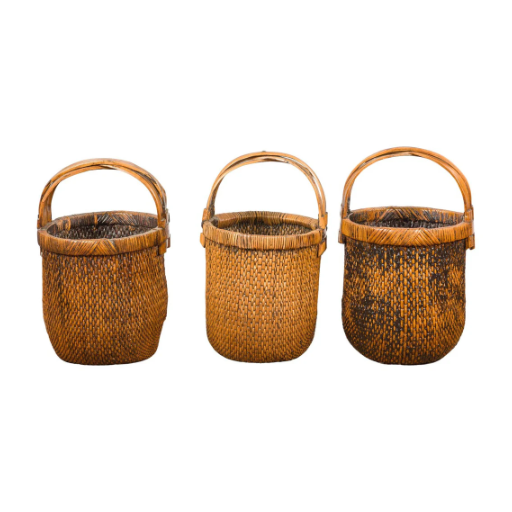
To make sure the shipment reaches its destination both timely and safely, shipping logistics is highly essential. It is necessary to plan in advance and keep proper coordination when it comes to delivery system. The enterprise must select a shipping method that is in accordance with the size, weight, and urgency of the goods. For faster deliveries, air freight may be applied; if transporting a large amount of goods in one go can be transported cheaply, sea freight can be used, whereas for short distances, land transport is the best.
Besides, it will be useful to make sure that the goods are properly stickered and packed so as to avoid any loss or delay in the process. Carriers that are well established, and the use of tracking devices, would help follow up on goods and any threats to the supply line. To that effect, all the procedures should start by notifying the relevant parties so as to ensure smooth coordination within the system.
Selecting Shipping Methods
Businesses have to consider several other factors which are more specific and crucial in order to decide on the correct shipping option to be used while keeping in mind the business and customer expectations. Distance, time limit, and weight/size of the luggage are some of the major factors that help in choosing the most appropriate shipping mode. Air cargo, however, presents faster results in urgent requirements, while sea cargo is cheaper and is preferred if the shipment is bulky, which is kind of contrasting because the other is not fixed in most cases.
Current methods used in supply chain management include route optimization algorithms and automated warehousing to enhance decision-making by making the whole operation more efficient and cost-effective. Moreover, the need to adhere to the principles of sustainable development has led to the increased need for ‘green’ affirmations adopted, for example, carbon-neutral shipping or intermodal transportation systems. With the aid of these variables, organizations can determine the best delivery options that improve overall effectiveness of the supply chain without going over budget and still satisfying the needs of the clients.
Calculating Shipping Costs
There are many parameters which determine the costs of shipping and they depend on factors, that increase or decrease the total cost of transportation. Amongst these factors, the weight and size of the cargo, the destination to which the goods are to be transported and the means of transportation. It is possible that large or heavy shipments incur more charges since there is more loading, offloading and organizing of modes, activities which have been made to appear costly. Nevertheless, when sending goods abroad or distant states, the charges tend to go up owing to the tactics extended travel distances and possible duty charges.
Fuel surcharges and extra carriers’ services (e.g., express vs. economy delivery) as well as specific carrier pricing are some other factors influencing prices. Carriers use more advanced tools for pricing, for example, they can quote ‘in-flight’ demand or change in demand due to the proximity of the destination in question. These variables are important to grasp, especially for business organizations that strive to budget, and to efficiently control other logistics aspects of the business while maintaining a certain level of profit.
Understanding Delivery Timelines
Delivery timelines are affected by several factors that act together in the determination of how long it takes to transport goods from one point to another. Among the crucial ones is the mode of transport, whether by air, road, or sea; each of the methods comes with some strengths and weaknesses, such as the rate and other costs involved. Furthermore, other aspects, including but not limited to weather patterns, seasonal volume, and any instance of an emergency like a natural calamity or a strike, can add to the time of carriage.
Predictive monitoring and scheduling enhancements are a common feature of present day logistics proactively estimate lead times with greater precision and certainly less uncertainty. These systems encompass feeds on current traffic loads, handling capacity levels with logistic networks of interest, Call centers and order processing with the associated best practices in day to day functional activities. Particularly, such efficiency is of utmost importance to any business serving customers because it aims at ensuring satisfaction of the end-buyers and, ultimately, effectiveness in the supply system.
Cost Considerations for Importing Willow Baskets
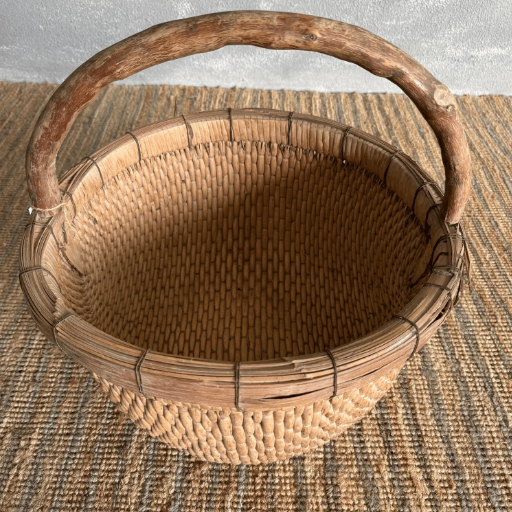
When submitting an import bid for willow baskets, several critical cost drivers are required to be taken into consideration. The bulk of the expenses is driven by basket prices, shipping, and additional charges such as RFK or other duties between the two places of origin and destination, as well as by the volume of goods transported. The companies would also need to include potential storage charges especially if the order is too bulky. Customs and standards charges, along with theaccordance of the international trade rules, may increase the total cost of acquisition. In addition, building a practical cost control system for the company involves vetting trusted and price-efficient suppliers and logistics experts who are aware in advance of the pricing issues and can meet the immigration requirements out of office.
Estimating Total Import Costs
Import cost estimation refers to the myriad costs that come up, which contribute to direct cost, indirect, and unknown variables. Direct costs are the selling price of the goods, transportation costs, duties, or taxes that are payable. Duty rates, for instance, are affected by the Harmonized System (HS) code of the product and the number of agreements countries have with each other. Other expenses such as compliance documentation or licensing should also be reckoned with as indirect costs. However, fluctuations in the exchange rate are likely to have a big effect on costs, mostly where foreign currency transactions are carried out.
For precise cost prediction, obtaining data from verifiable trade databases and duty calculation software is beneficial. These sources are able to furnish unique duty rates and legal regulations by destination and by goods type, making it possible for development of universal plans. Such an exhaustive method is not prone to excessive spending but cutting on total expenditure and disruption in logistical channels is minimized.
Hidden Costs to Watch Out For
For the purpose of examining extra costs that may appear in foreign trade it is necessary to take into account the expenses required for the fulfillment of the established order as appropriate. This includes the costs for compliance with the mandatory requirements of a state which concern the permits, the product testing, the labeling of the goods and the payment of the necessary customs charges. For instance, a delay due to a piece of documentation not being provided as required, or due to a wrong document ultimately may lead to high costs of storage or fines.
Nonetheless, fluctuating exchange rates can also prove to be a pitfall for entities which have entered into transactions involving foreign countries. Further, in addition to setting technological advances and the accompanying costs related to implementing such advances, companies or organization may have extra cost surrounding trademarks or patents that they are not familiar with in cost evaluation or control aspects. By identifying these issues in due course and factoring them into predictive models, businesses can change decreasing revenue and uncertainty in operational finance.
Comparing Costs with Other Basket Types (Rattan, Wicker)
When evaluating the difference in costs between compositions, wicker and rattan composed baskets are the two most common ones. Indonesia, more well-known for being a significant source of rattan material has the natural lush cane called wicker though other countries in Asia are definitely not behind in its production. It is quite expensive, which is affected by how it is collected, transported to production centers, and whether the weaved baskets are technically challenging to make. In addition, this style of furniture is generally made out of synthetic or refined plant material.
Natural resources and traditional techniques make hand-woven rattan baskets cost more than the average material-insensitive object. Plastic or metal wicker baskets, however, are relatively cheap; they hold almost the same amount of stuff and can be used the same, although expecting more out of them in terms of durability or sustainability might be as well. What companies should be focused on more is drivers of low-cost production to trendy forest baskets. Therefore, cost is one aspect with significant flexibility that the consumer must manage for the business plan to be practical.
Final Delivery and Quality Assurance
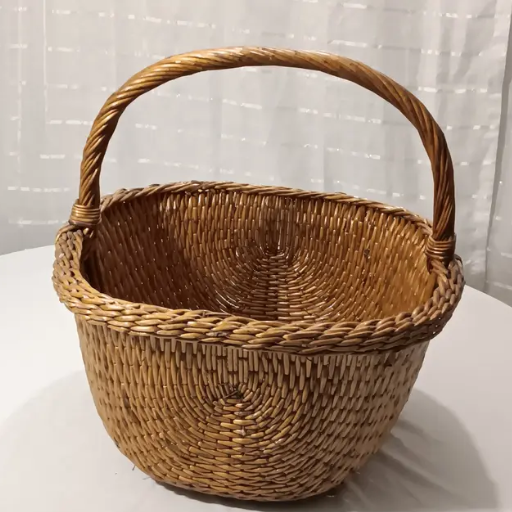
In order to ascertain that the goods reach their final destination in due time and conform to given specifications, there should be. Final inspection stages need to be cautious since all deliveries are to be probably going to the client and therefore to a given specification There shall also be considerate stress on the use of quality assurance (QA) check to ascertain that the products have been made using quality raw materials, labour and that the processes conform to the established standards and data and that the stated target is met. Communications with supply chain teams which still provide significant value-add such as transport shall be tailored in a manner that does not endanger couriers. These practices, which are well enforced, may encourage existing and prospective customers to trust and be satisfied with the products delivered, as exemplified here.
Ensuring Smooth Final Delivery
Businesses aiming for smooth product delivery and orderly facilitation of final transaction should consider combining high tech tracking software and an optimization program that takes care of routing. Essentially, by keeping an eye on logistics and goods movements in this manner, these real-time tracking systems help correct and eliminate inefficiencies in the course of the supply chain. Furthermore, through the use of artificial intelligence tools to administer logistics, companies can optimize their delivery times and their energy consumption with a lowercarbon footprint and hence less financial impact.
Along with that, customizable statistical tools will help transport companies to better estimate the time needed to deliver an order, which will create room for reduced operational costs and an increased level of consumer retention. In addition to this, technology upgrades should not ignore current quality maintenance as well as tactical reporting mechanisms, as this ensures that products are delivered in a timely, efficient and as per modern industry standards.
Best Practices for Quality Assurance
For high effectiveness, quality assurance (QA) refers to a process that combines structured use of a set of processes, tools and methods aimed at consistent delivery of a product or service that satisfies already defined higher quality standards. Developing a proactive approach to quality assurance is a start-to-finish process that includes creating general and specific standard operating procedures. It is also appropriate that these standard operating procedures (SOPs) are periodically revised so as to reflect the actual performance figures and the frequent developments within the sector which may even make the procedures obsolete over time.
Despite that, modern data crunching techniques and automated tests are significantly boosting the precision of QA processes. Techniques such as machine learning used together with any other advanced tools help in pinpointing existing and potential operational defects in workflows thus enabling their resolution. There is also a consideration in respect of the QA approach whereby there is a closed loop into which all the stakeholders give feedback, and this, in turn, ensures that every aspect is properly done and well in time.
Regulatory compliance is of key significance such as industry-specific certifications and adheres greatly to an individual or organizational ethics enhancement and accountability enhancement. Regular internal and external auditing defines the conformity in line with some internationally recognized standards such as ISO 9001 or another specialized sector norm. This will ensure that the quality will be maintained as well as normal but the benefits the business is even avoided to accommodate or cushion itself against changes in the market and with the technologies.
Reference Sources
- China’s Green Industrial Policy and World Trade Law
Read more on springer.com - Trade-Related International Support Measures Withdrawn from Bangladesh: Least Developed Country Graduation Perspective
Read more on inderscienceonline.com - Willow Baskets
Frequently Asked Questions (FAQs)
What is the HS code for willow baskets?
The correct classification of willow and wicker baskets according to the harmonized tariff system is usually referred to categories dealing with wicker works and similar articles which exist in the form of a product description and a trade number. To locate the correct code for willow, read the HTS subheading and give the rattan basket or comparable basket filled with wicker the relevant heading. In case of need for a decision, please contact an import specialist or CBP to obtain a ruling; due to a situation, such a ruling can show whether there is a change in a classification by the metal wire or plaiting material.
What export documentation is required for shipments of willow baskets?
Including, though not limited to, commercial invoices, packing lists, certificates of origin, and any mandatory licenses, or export authorization for foreign trading, the documentation for exportation consists of many features. Furthermore, there is a requirement for sufficient details in the product descriptions in order to determine how it is constructed particularly include such data as rods or twigs, raffia, fiber and so on. These products are packed or assembled. Such product categorization is helpful in HTS classification and customs procedures.
How to analyze willow basket market trends?
Employ a cross-section of foreign trade to prepare a market study, compare the key players in the willow and wicker products sector, and help save on the custom firm’s services. An exploration of demand for items such as decorative, fruit, and picnic baskets, in relation to appropriate demand volumes across most market segments, including seasonal goods, provides an estimate of demand growth. They can also inform sourcing decisions, estimate potential operating profits, and apply pricing policies that maximize profits in target markets, especially in competitive environments.
When is a product considered a rattan basket or wickerwork?
Classifying products largely depends on the material and technique of knotting and weaving; hence, the classification of rattan baskets does not overlap with wicker work or any other product that may seem to be identical. Look at the descriptions of the goods in terms of the materials of plaiting, the use of metal wires and the presence of a different principal construction of the bottom basket at pretend to grasp the other head of classification. In the event of an unclear situation, filing a classification request through the system ot ruling can assist in providing a final decision of the customs administration.


