
Seagrass vs. Water Hyacinth vs. Willow: Material Differences Explained

Selecting natural surfaces for furniture, home decoration or manufacturing crafts can be very mind-boggling, given the large availability of options. To name a few, seagrass, water hyacinth and willow are of the top-most preferences for their peculiar characteristics, advantages, and uses. How are such products, however, considered in terms of onset wear and tear, texture, ecological damage or flexibility? As such, it is necessary to know the differences and characteristics of these natural fibers in selecting the most suitable material. If one is concerned with safety, tastefulness or durability of the products to be made, these details are also important. This section focuses on the specific attributes of seagrass, water hyacinth and willow and it compares them to assist the reader to take more responsible decision.
Understanding Seagrass and Water Hyacinth
What is Seagrass?
Unlike aquatic flora such as seaweeds and the like, seagrass is a plant which grows in warm regions. Unlike seaweed, seagrass can be distinguished by the presence of root, stem and leaves tissues made for grounding in the seabeds. It creates large underwater fields widening beneath the surface without much effort. They are instrumental elements in holding the sediment in place and preventing erosion of the coast.
The importance of seagrass goes beyond its role in the ecosystem. Being a resource, it is an essential material for spinning and designing purposes. Its rough and supple consistency enables seamless stringing which is stride such as mats, baskets and furniture making. It is also an uncouthly yet moderate weight material and not too overburdening in case of transportation such that it is both a natural material and appealing to the eye at the same time.
On the other hand, for eco-friendly products, sea grass is a perfect fit because it is an abundant resource and it is made from an organic material. Also, it helps in mitigating global warming by absorbing large quantities of carbon dioxide for instance or carbon since which can cause climate change suppression. The uses of seagrasses in marine ecosystems and beyond make it clear that it is an indispensable resource both ecologically and economically.
What is Water Hyacinth?
The water hyacinth, which goes by the scientific name Eichhornia crassipes, is a waterborne herbaceous weed originating from the Amazon region. It has thick, glossy foliage with lengthy stalks and conspicuous flowers that have bluish to purplish and yellow markings on the petals. Water hyacinth is a floating plant, it loves freshwaters like lakes, rivers, ponds, and water reservoirs and once it finds the right conditions it grows into huge communities covering the whole water surface.
Due to its excessive growth, this – in many countries – is classed as an invasive species. Large masses d1 will occlude seagrass, drivibg oxygen from w1 organisme ib the water and affecting the existence of native w2 animwls. Such features cause a number of abaternt outcomes during fishing and agriculture practised in such regions, especially with respect to hydrpower generation.
Even with such disadvantages, water hyacinth has some positive gains as well. In many instances, the plant is appreciated for its capability to uptake industrial contaminants such as heavy metals which is useful in water treatment and restoration campaigns. Moreover, it can be made into ropes, mops and papers for material provisions. Water hyacinth as a noxious weed and seagrass vs water hyacinth baskets illustrates the importance of the plant’s relative growth control.
Common Uses of Seagrass and Water Hyacinth
There are many ways in which seagrass and water hyacinth can be used in different sectors, such as environmental protection, food production and industrial operations. To begin with, seagrass is an important element that promotes the stabilization of the ecosystem and the protection of the shores by keeping the waves from eroding the coast thanks to its extensive carpets under the water.
Contrarily, water hyacinth is mostly applied in water treatment because it helps to get rid of heavy metals and poisons in the polluted waters. Therefore, any rehabilitation project targeting water enhancement can also make use of this plant. Again due to its fast growth and high production, this plant can be used to make eco-friendly materials such as biodegradable paper products, ropes, furniture, among others.
Water hyacinths and seagrasses thus, present new horizons-play a role of environmental protectors and also being sources- materials to the distinct industries. However, it is critical to manage them adequately so that double-edged benefits can be enjoyed – those that involve warding off of agencies like water hyacinth spread or even breakage-prone seagrass vs water hyacinth baskets structural ecosystems, among many others.
Key Differences Between Seagrass and Water Hyacinth
Texture and Appearance
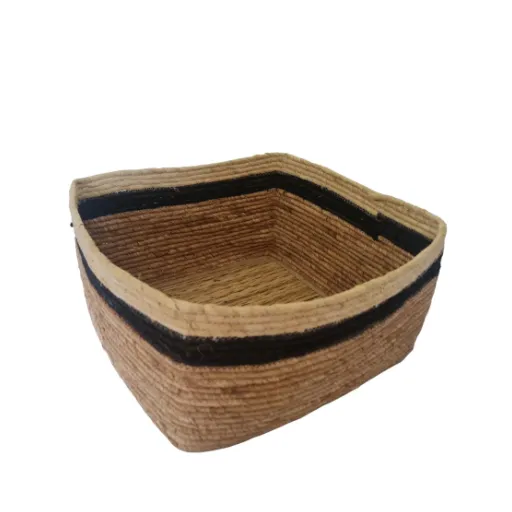
Taking into account their biological features and their environmental functions, there is a difference between seagrass and water hyacinth which is reflected on their texture and physical appearance. Seagrass is a marine submerged plant while its leaves are soft and are like long ribbons which exist in most cases in thick underwater turfs. Structural integrity of these plants allows them to remain uncuttings when hitted by big tidal waves ebbs as eadible structure is erect and does not collapse even in the coastal current. The bold green color shows the leaves of the seagrass are for photosynthesis as well as cycling of nutrients and as such in a water body, act as a primary producer of such system.
Instead, water hyacinth is a very aggressive aquatic plant with robust, glossy-coated and fleshy leaves and stems. The remarkable vegetative structure of hyacinth includes round leaves connected to thick, floatation petioles, hence allowing the plant to freely drift in water rather than attached to the substrate. The leaves are soft to the touch, yet firm with a distinct shine, and when in bloom, the plant develops beautiful purple or bluish flowers. This change in surface texture and bloat formation that has led the invasion of hyacinth makes it develop very fast and at times form inconvenient thick floating covers.
Together, these differences in texture and appearance between seagrass and water hyacinth emphasize their distinct ecological functions. On the one hand, seagrass serves as a stabilizer in marine ecosystems aiding in sediment deposition and biodiversity maintenance. On the other hand, water hyacinth’s structural features allow it to overgrow native communities in freshwater environments which is a major management issue. Such distinctions help not only to appreciate each of them separately, but also illustrate how differently they function within the surrounding conditions in which they grow.
Durability and Maintenance
Evaluation of durability and grooming of any ecosystem is very important in assessing its sustainability and impacts to the environment. Woods are just beautiful as long as they are protected, and seagrass under the appropriate weather and water can be said to advance and survive. However, damage from ocean changes, storms, winds, and other surprises that come with nature is of little or no concern to seagrass meadows. But they can be very vulnerable to human activities such as construction on the coasts, pollution, or even trawling operations. Because soft sediments are found in essence limited depth of seagrass, managing such areas requires a controlled system of avoiding physical impact, water pollution control and sequestering carbon for cooler temperatures and less acidic oceans, which again are innovations that are contained in durability ecology.
On the other hand, it is quite a daunting task to regulate the control on the existence of alien plants such as water hyacinth. Elsewhere, where the plant can be cultivated within healthy environments, more often than not its growth is uncontrolled and results in cross-grade eutrophication. In order to healthily control the plant, regular assessments have to be made to monitor its progress, and in case it moves past certain limits, control has to be exercised such as weeding, using the plant where possible, or using mechanical and biological means to clear the plant but without affecting the environment. Chemical means such as herbicides or the use of biological control agents such as beetle (Neochetina) which attacks water hyacinth are the common methods usually adopted. However, those solutions require careful interventions with more dimension to avoid any harmful side effects to the environment.
Essentially, both systems require custom and dynamic maintenance programs based on the ongoing research, technological innovations, and strict regulatory mechanisms. However, ecosystems in general, and especially seagrasses are vulnerable without proper conservation and restoration strategies being in place, for example, planting seagrass in damaged zones or creating marine reserves. In the same manner, the biological control of water hyacinth ‘s ecological expansion, calls for the introduction of modern equipments, such as remote sensors for quick monitoring systems or the use of physical barriers as floating fences to prevent expansion. Employing techniques based on scientific evidence and encouraging cross country initiatives improves the efficiency of maintenance strategies which makes the ecosystem stronger and more durable.
The Weave: Craftsmanship in Baskets
Weaves of Water Hyacinth
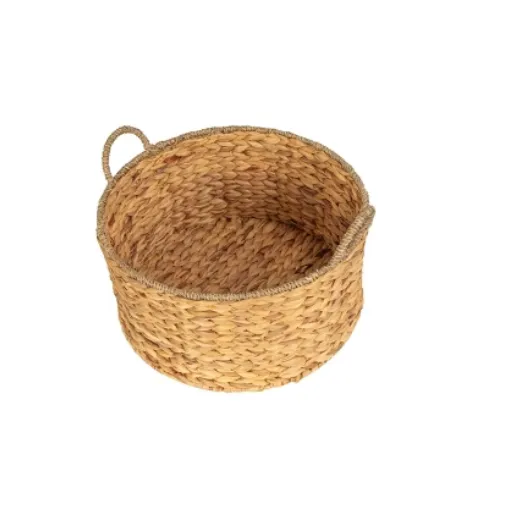
Producing baskets from water hyacinth is also another great example of modern designs directed towards green and handicraft profession. Water hyacinth is one among the leading causes of eutrophication in water bodies across the world due to its ability to rapidly spread, therefore, hindering human and aquatic life. On the positive side, however, its stalk and leaves can be utilized to manufacture tough materials suitable for basketry. Artisans have an opportunity to address intrusion through this deluge of material while at the same time, making dignified art. In essence, that two-sided advantage explains why this material is pitched as ethical for the fabric and basket weaving sectors.
When making seagrass vs water hyacinth baskets, one first has to sort out the tumbling block; which means studying, for example, how the apparatus was utilized. The best ways to prepare and squeeze water hyacinth stalks and make them coarse enough for the pleasant weaving of the bunch are worth investigating. The dried stalks undergo further preparation in the hands of skilled workers who prepare the material for the braiding of any patterns needed in the basket ware. These formations employ the use of skilled hands as each culture has its peculiarity on how this is from the old to the young generation. Most of these woven handwear are functional in nature incorporates such products or temperaments as candy baskets, and laundry baskets decorational purposes among other item’s clothes and thus these are favorite items made by dressers of such tradition. The weave is simple but strong and every day every one of us looks for such things.
The art of weaving of water hyacinth, is more than just mere creation of beautiful baskets and products. It has economic benefits as well. Areas in which the plant grows uncontrollably have taken the menace as a blessing in disguise and have converted it to an economic activity. The addition of this skill development program and marketing options for the products build resilience and provide economic enhancement to water hyacinth affected areas especially the marginal and rural communities. Furthermore, making such a strategy paralleled with international trends of efficient sustainability such as promoting circular economies enhances the usefulness of the water hyacinth basket weaves as one of the model solutions of transforming environmental issues into social economic benefits.
Comparison of Weaving Techniques
|
Key Point |
Plain |
Twill |
Satin |
Jacquard |
Dobby |
Leno |
|---|---|---|---|---|---|---|
|
Pattern |
Simple |
Diagonal |
Smooth |
Complex |
Geometric |
Open |
|
Texture |
Flat |
Soft |
Glossy |
Varied |
Textured |
Mesh-like |
|
Durability |
High |
Moderate |
Low |
Moderate |
High |
Moderate |
|
Use |
General |
Apparel |
Luxury |
Decorative |
Apparel |
Netting |
|
Complexity |
Low |
Moderate |
High |
Very High |
Moderate |
High |
Impact of Weave on Functionality
Different weaving designs are known to have a profound effect on the overall function, durability, and even the appearance of water hyacinth baskets. This is because the weave style determines among others, the capacity of a basket, how flexible and shear resistant it will be. There are five explanations as to why different weave styles are more or less technical.
- Robustness of Baskets Weaving in Baskets: Weaves that are tightly compressed strengthen the basket structural design, allowing it to withstand heavier loads without being deformed. An article on tensile strength of woven materials found that tight weaves increase the ability to carry loads up to 30% more than loose weaves.
- Adaptability: In contrast, a basket with a free weave design becomes more flexible, which allows it to contain items in different shapes. This property of baskets is ideal especially in baskets intended to store soft and fragile items. This is to avoid damage in baskets made of rigid substances.
- Water Proof: Stress and moisture can be managed to a great extent with some weaving designs such crisscrossed weave. Coupled with more substantive finishes, the third property will help in preventing the baskets, under moist circumstances, from damage.
- Weight Performance: Tricks in weaving play an essential part in determining the weight of the end product. Due to their weak design, open weaves are mainly made for lightweight objects and are mainly found in decorative baskets or any other carry along object that the customer desires to move around quite a lot.
- Potential Incidences: Measurement of degree of flow depends on the type of weave pattern that is used in preparing different products and this is usually seen in the intended?sales base?. The demand for art and craft pieces is different in areas and the consumer of weaving would be ready to pay a premium for top notch weaves bearing in mind the herringbone and the common basket weave structures.
- Measure of tolerance: The maximum weight or pressure that a basket can withstand, determines the stress that the basket can withstand before breaking. However, this factor is also dependent on the type of basket. For example, seagrass baskets will have different level of tolerance compared to hyacinth baskets and there are haulers who prefer one over the other.
Basket weaving as an age-old craft has continued to be relevant in modern times. A craftsman may struggle to know how to change the style for the ornaments to be well placed within the weave, but finding the right method of weaving can allow the artistic talent to be used, where it should be used – inside out.
Choosing the Right Basket for Your Needs
Budget Considerations
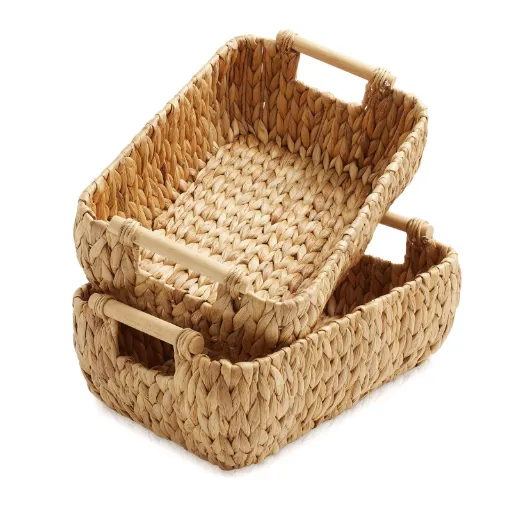
When it comes down to investing in a water hyacinth basket, the cost is the first thing to consider because the price may vary from one size of basket to another as well as the weaving technique and the level of workmanship in that basket. Simple hand-woven ones are cheaper and quite handy when it comes to functional usage, for instance storing things or taking care of the laundry. On the other hand, such baskets usually cost more that have creative weaving and finishing because they are not made overnight and neither are they woven by just anybody. Understanding the seagrass vs water hyacinth baskets, for example, will help people make the most out of their money.
Furthermore, a lot of attention must be paid to the cost-effectiveness of a given strategy. Take for example the issue of basket purchases. Buying and shipping costs are reduced to practically zero when baskets are bought in bulk. This makes the ap-proach appealing to businesses and organizations. Also, individuals must understand that they can equally derive more value if they pay attention to seasonality or even simple geography. It is not uncommon to see the market for water hyacinth baskets rise and in some case fall sometimes due to the availability of specific resources or the water hyacinth traders themselves rising or falling. Such factors besides availability makes it necessary to make purchases at the right time.
Another significant factor in this regard would be to consider the long-term cost that will be incurred e.g. the wear and tear. Any user would be well disposed to such options, however, it is common knowledge that the cheaper the material the easier it is to wear out or break down especially if it is put to use very often. Baskets manufactured using careful consideration of the materials used and the woven patterns of the baskets usually have longer shelf life and more cost effective when they are purchased. A balance needs to be made between the funds available, the expectations and the reality of the desired basket to be purchased. This ensures that the buyers are not making decision in error.
Style Preferences and Aesthetic Appeal
Choosing a basket, style and aesthetic considerations are important because they ensure that the chosen product (basket) fits the intended environment. Baskets are not just functional pieces, they are also part and parcel of interior and exterior decorations. The material, weave, finish contribute in a substantial way to how a room is perceived. For example, traditional or country home can benefit more from use of rustic wicker baskets while the modern and sleek designer look is more compatible with decorative metal baskets. Maintaining one style for all décor items is inevitable.
Colour is one of the significant factors in the overall aesthetic appeal of the baskets. Neutral colours like pale brown, greys, or even white contain a certain advantage which is that they are universal and can easily fit into many decorative styles. On the other hand, vivid colours or intricate patterns may serve a different purpose by acting as a backdrop or an embellishment in the overall design of the room. It is also essential to remember that function over form or basically the intention for use of a basket is of utmost importance. For instance, handles, and the aspect of whether it can be covered with a liner which can be washed or stacking baskets one on top of another are as practical but without jeopardizing the aesthetic appeal.
Let us now speak about the popularity of baskets decorated with natural and sustainable components instead, especially after the civil society decided to go green. Basket makers now can use items such as jute, bamboo as well as recycled sythnthtic fibres in light of these functional alterations. This coherence supports not only style but also responsibility to the extent that the consumer is no longer forced to choose between looking good and doing good. Balancing these aesthetic and material aspects thus enables customers to choose baskets that carry the necessary functions and are at the same time fashionable and green.
Consumer Insights and Trends
Current Popularity of Baskets Made from Seagrass and Water Hyacinth
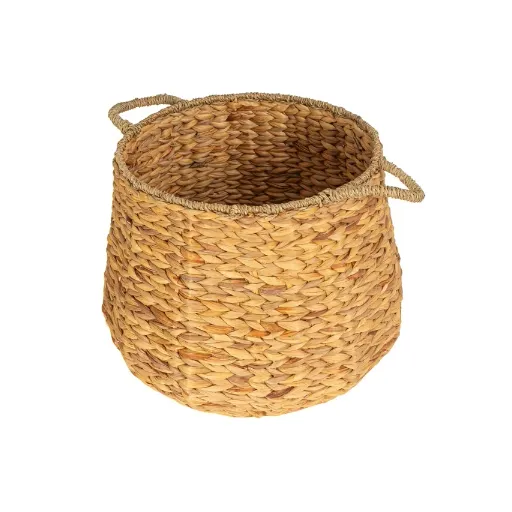
Over the years, there has been an exponential increase in the demand for baskets manufactured from either seagrass or water hyacinth, corroborating the general trend towards sustainable, biodegradable materials. Such baskets have proved to be quite popular because of their practicality and beauty, the determinants of both the intake of individuals into the green lifestyle and into modern interior designing. The market is showing a growing tendency of using these eco-friendly products or beautiful pieces of art in decorating homes, organizing storage, or designing gift packages.
One of the principal reasons of popularity for such baskets made of sea grass and water hyacinths is that they are light and strong which makes them useful and easy to carry under diverse conditions. In addition, the environmental friendliness of such materials is geared to the growing appreciation of products among customers that can be forwarded as alternatives to plastic-based ones and associated with green living. This is based on the common industry coverage which shows that human and design Baskets contains these baskets as part of their special set by ecommerce and lifestyle retailers of these baskets an artfully woven or handmade baskets.
The excitement demonstrated by consumers exists in a larger sustainable paradigm where such natural fibers come in as a remedy to synthetic alternatives. How such products penetrate international markets is an indication of not only beauty concerns but also an urge to embrace eco-friendly practices of living. As the market develops, seagrass and water hyacinth baskets will become more prominent because of the utility, sustainability and aesthetics they represent.
Future Trends in Basket Materials
The efforts towards providing new materials for baskets are also reliant on novel technologies and eco-friendly approaches in response to the rising demand for such efforts. Biodegradable polymers and composite materials made from agricultural waste especially corn husks, wheat straw and coconut coir among others is an ongoing trend. Since it is more durable and flexible, such material offers a potential replacement to conventional plastics in terms of useful and effective basket designs. Besides that, bioengineering has reached a point where new materials derived from mycelium can be grown and crafted in any shape desired. Mycelium remains one of the most sought-after materials in contemporary basket making for it is not only biodegradable but offers great strength and is extremely lightweight.
Another aspect of basket making that is being transformed is materials by making design and production processes technology-based. Nowadays, 3D printing using natural fibers and bio plastics is on the increase because it allows the manufacturers to solve the problem of material wastage by creating complex and bespoke basket designs. This technique is applicable in both small and mass production depending on the taste of customers. This method involves smart coatings and treatments on natural materials such as bamboo and rattan to give them waterproof and UV-resistant properties without resorting to harsh and unsustainable production methods.
Moreover, the rising popularity of promoting the circular economy features leads to efforts in ensuring the reuse of such basket materials. Newer techniques which include the use of enzymes aid in the degradation of natural and man-made fibers which can then be incorporated into new baskets. People have been getting more conscious regarding the products they purchase and how those products are manufactured hence the reason why brands have opted to incorporate revealed supply chain mechanisms. Both these developments- the technology and environmental initiatives are expected to change the basket designs in terms of the looks as well as the working, in a more ethical manner which is better for the environment.
Frequently Asked Questions (FAQ)
Q: How do the materials from which seagrass and water hyacinth baskets are made compare?
A: The key differences when it comes to the seagrass and water hyacinth is the composition of the fibers and their place of origin: fibers of seagrass are obtained from Thanh Hoa and Thai Binh Vietnamese coastal provinces and are usually thinner and more pliable than water hyacinth which originates from lakes and aquarii and is thicker and resembles the thickness of threads. In contrast to seagrass fibers, water hyacinth baskets can be significantly stiffer and firmer and as a result, more resistant to wear and tear, whereas baskets out of seagrass tend to be lighter and more adjustable.
Q: Are baskets made out of seagrass or water hyacinth environmentally friendly and safe to use?
A: Absolutely. Both of seagrass and water hyacinth are destructible by nature and as well are bio-degradable just as raw water hyacinth and seagrass products. The natural biodegradability and toxin free nature of these materials has made them very suitable for the production of home decor items as well as storage baskets although the coatings and dyes can be avoided to make them more biodegradable and less toxic.
Q: Can you dye or paint seagrass as well as water hyacinth baskets, and if so, what is the level of color retention in seagrass vs water hyacinth baskets?
A: Both materials are flexible when it comes to dying or painting – water hyacinth can be dyed, and dyed seagrass products are also available – however, performance differences exist between them. As a matter of fact, water hyacinth holds the dye better and is often used for brighter colors while seagrass, on the other hand, has a greenish tint, which can also accept the dye for use. This is under the context of color fastness which is dependent on the type and process of adhering dye, for example painted or dyed areas may require sealants prresistant to scuffing or water. Work best for seagrass with some oil surface treatments and paints on the seagrass surface are more likely to create a more flat effect whereas paints on the water hyacinth will be more lustrous though susceptible to cracking when flexing is needed.
Q: In most cases which of these two materials is best applied when making storage baskets and other wicker homewares – seagrass or water hyacinth?
A: Both these materials are perfect for storage baskets and many other wicker products that can be placed in a house, however, choosing one depends on the requirements. Seagrass is most commonly used within the house and perfect for storage where a soft look and feel is required with the use of colours and elements such as khaki and beige. Water hyacinth items, on the other hand, are composed of longer components that permit easier manufacture of storage items owing to their reduced cost and high durability. It is also important to check the humidity, moisture, and chances of increased water availability or use.
Q: What is the difference in performance with respect to waterproofing and weather proofing acts as sealing agents for both baskets?
A: Seagrasses are impure and absorb moisture from the surroundings almost instantly; they get affected by the damp environment and are primarily used indoors. Water hyacinth baskets are relatively better for outdoor use as well as moist environments with water bodies like ponds and aquariums. Yet, these too are suscepitible to the weakening effects of water over time. Water hyacinth baskets or water resistance treatment is preferable for outdoors and humid places.
Q: Is one of the materials softer or more pliable than the other, and also a bit easier to work with in terms of shape and gauge?
A: The diameter of seagrass is smaller and its texture is softer which makes it easy to weave tighter and more intricate patterns and also gives a finer khaki or nude beige look which is perfect for contemporary home decor. But water hyacinth which is broader in strands makes habiliments and accessories of a water hyacinth nature, but of a more solid and coarse composition. With seagrass being finer in diameter, it produces a snugly finished look and enhances more of these color schemes in patterns and decor.


